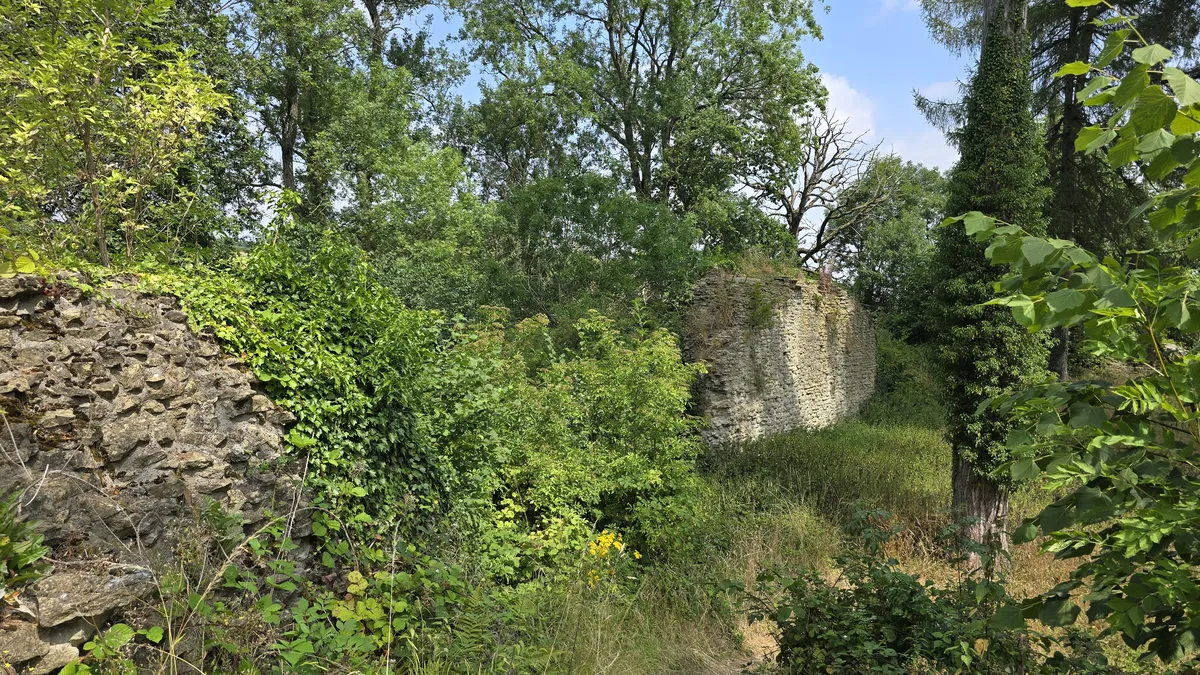
2nd oldest castle in the UK
What is the oldest castle in the UK? Well I guess it depends how you define a castle, the ancient hill forts like British Camp at Malvern and others probably qualify, but if you want a real castle the way most of us think of one, with a stone walls and keep it gets even more complicated.
GoogleAI (spit, hiss) tells me its Chepstow Castle, built in 1067 which shows immediately AI is not to be trusted. It does later (as do other sites) make a case for Ewyas Harold Castle (1048) in Hereford, but digging a little deeper, that site it doesn’t really have anything left beyond earthworks. There is however, another castle of a similar vintage that may just about have the stronger claim. Or perhaps this is just the 2nd oldest castle.
Most of what we think of as castles were built after the Norman invasion of 1066. However, prior to that invasion the then King , Edward the confessor who reigned from 1042 to 1066 had spent a lot of time in Normandy and invited certain selected nobles into England and gave them estates. He allowed four castles to be built, 3 in Herefordshire and one in Essex. Of the 3 in Herefordshire, there was Hereford itself which doesnt exist in its original form, the aformentioned Ewyas Harold which exists as an earthwork and Richards Castle.
The eponymous Richard was Richard Fitz Scrob who built a castle in around 1050 something, just 9 mile from the current Welsh border and having excellent oversight of the surrounding landscape and roads to Worcestershire it would have helped defend again Welsh attacks from the likes of king Gruffyd ap Llewelyn who atttacked and raised Hereford to the ground in 1055.
Today there isn’t much left, the large Motte (mound) that the castle sat on is visible as is the ditch that surrounded it.
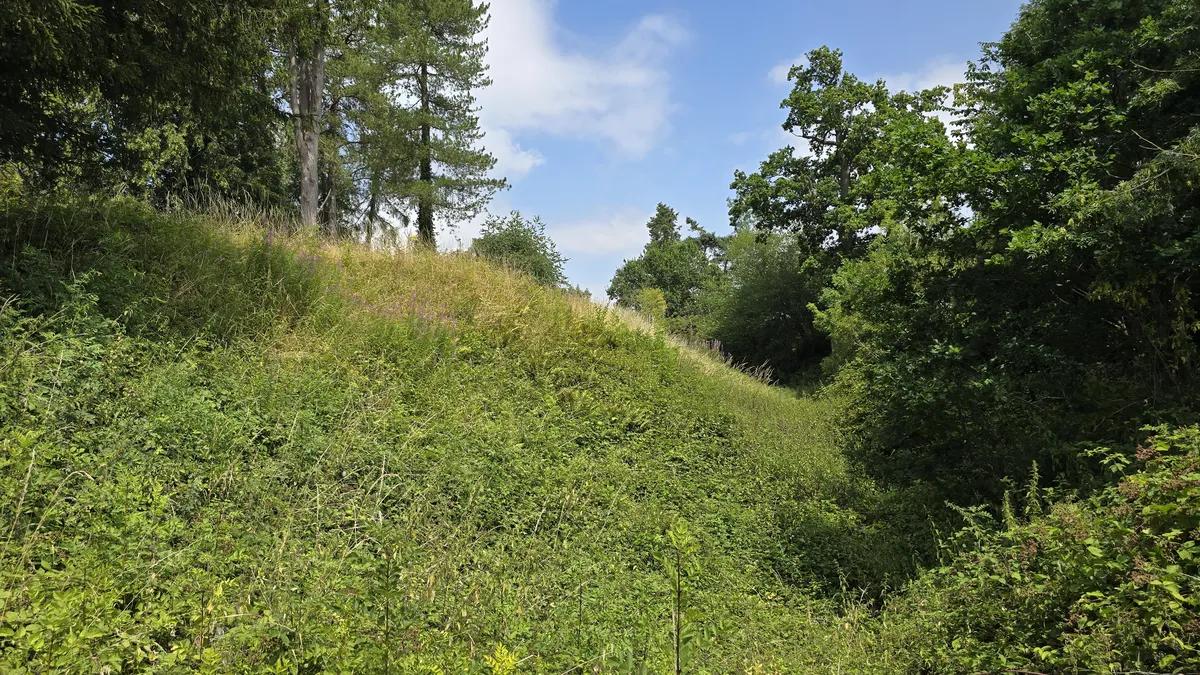 Ditch and motte
The octagonal tower built in 1185 stands up to the first story, and climbing the stone overgrown steps to what’s left of the keep in this remote part of Herefordshire makes it easy to imagine who may have stood here 900 years ago looking over this largely flat, still agricultural landscape in the summer sun.
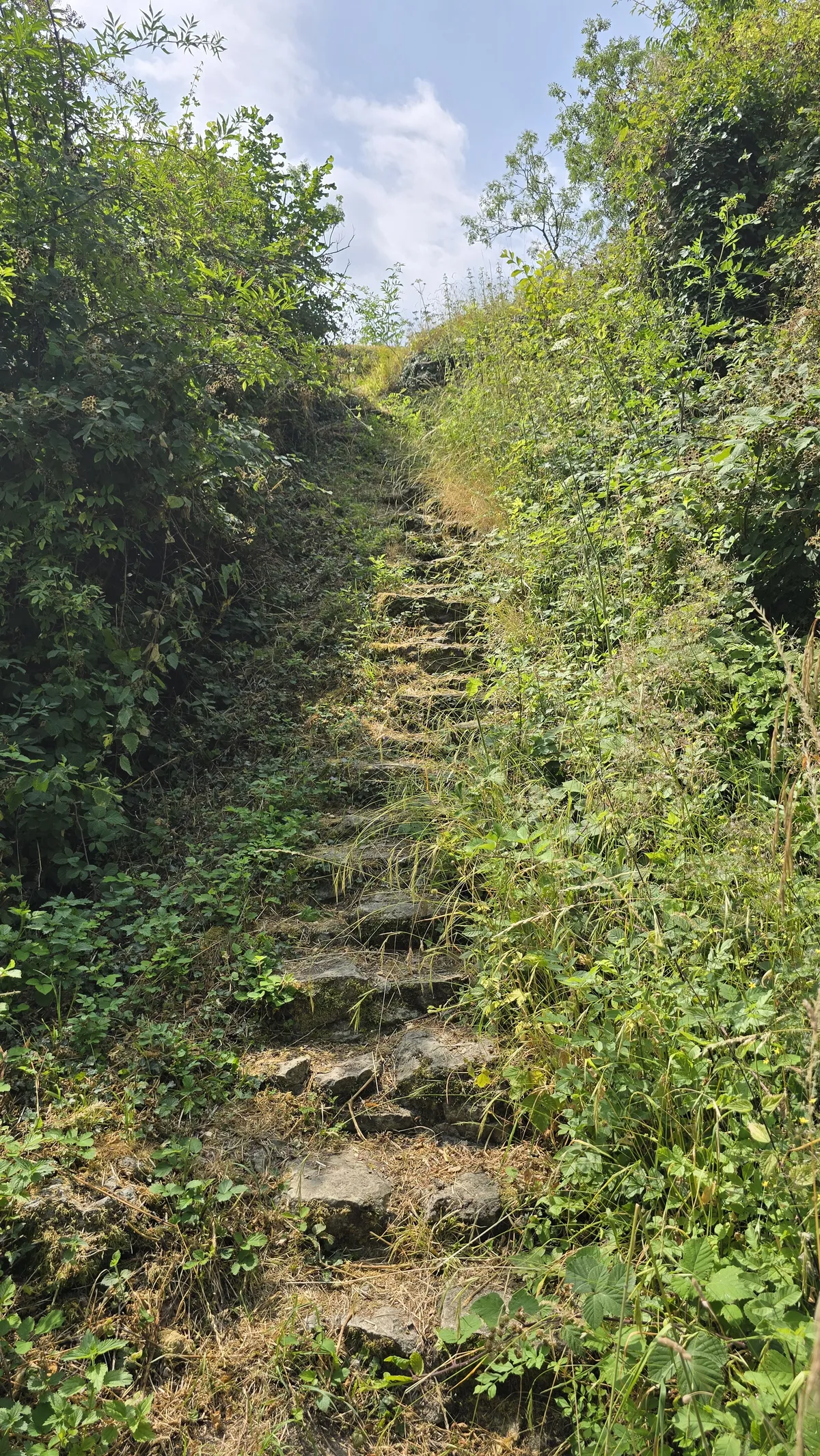 Steps to the keep
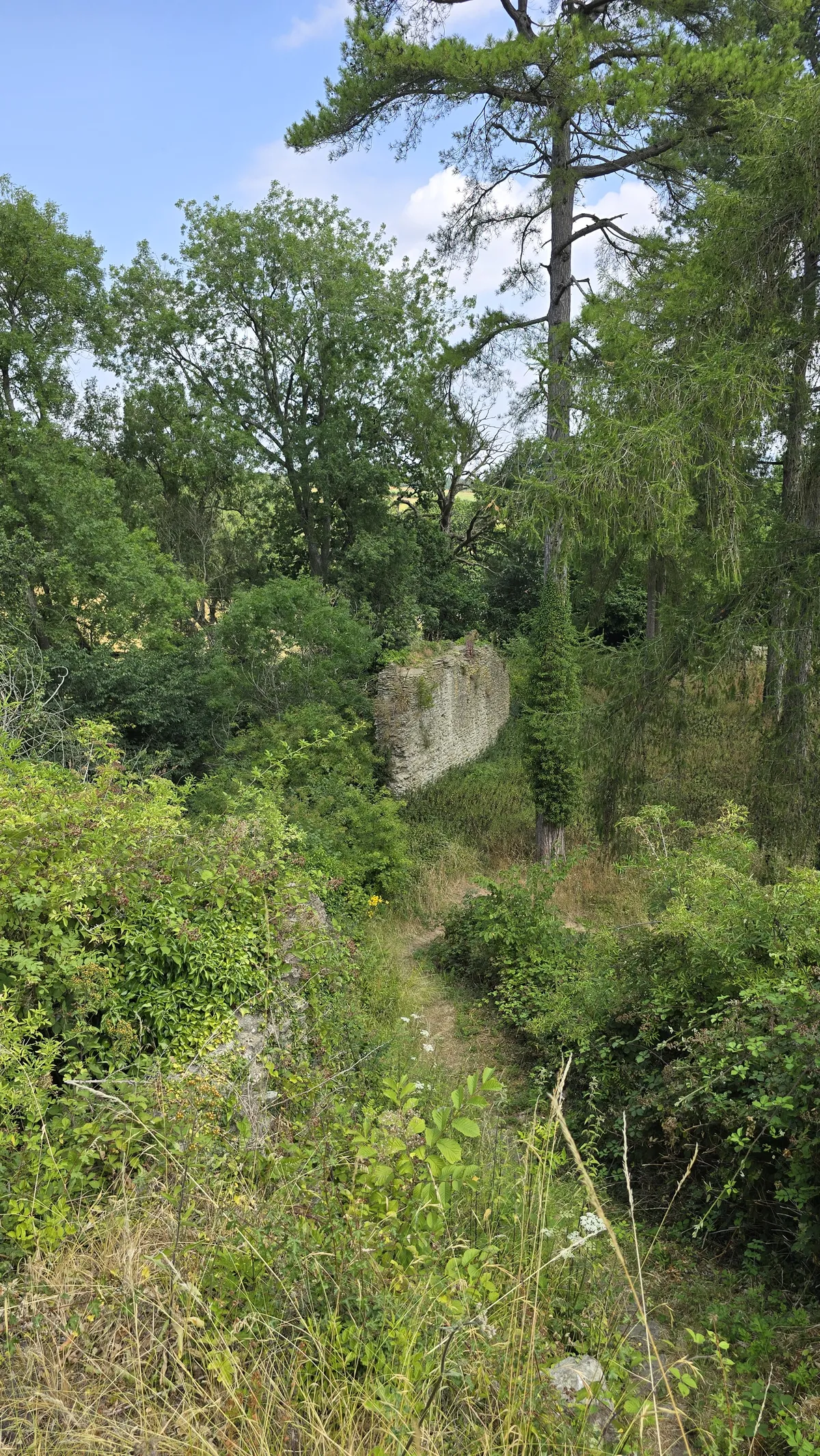 View from the top
The remaining sections of wall are all a little later from the 13th Century when King John had granted a charter for a fair and market. Despite this, the castle was never really a hub for anything given its proximity to the growing town of Ludlow. The castle and surrounding village declined over the next few centuries. It was called into action for a while to again defend against the Welsh, this time the forces of Owain Glyndwr who eventually made it all the way to Woodbury Hill well into Worcestershire, but that may be a subject for another blog. After the angry Welsh, the castle passed through various families until today where it still stands in this beautiful borderland of north Herefordshire and Shropshire.