Battle of the river Teme
Battle of the river Teme (Leominster canal and WW2 shenanigans)
I wrote in a previous blog The bridge of a million bricks about the Leominster Canal and its total lack of success in construction. I also mentioned in passing about one of its other aquaducts being blown up. This is the result of some further investigation and a nice little visit to take the pictures. Anyone interested in more history on the Leominster canal should check out my previous blog (above) and the lovely Friends of Leominster canal.
The bridge of a million bricks crosses the river Rea, but the Teme aqueduct unsurprisingly crosses the river Teme. Like its sister aqueduct, construction is of red sandstone and brick and just like the aqueduct over the Rea, construction was found to be seriously flawed and was shored up with metal supports in places.
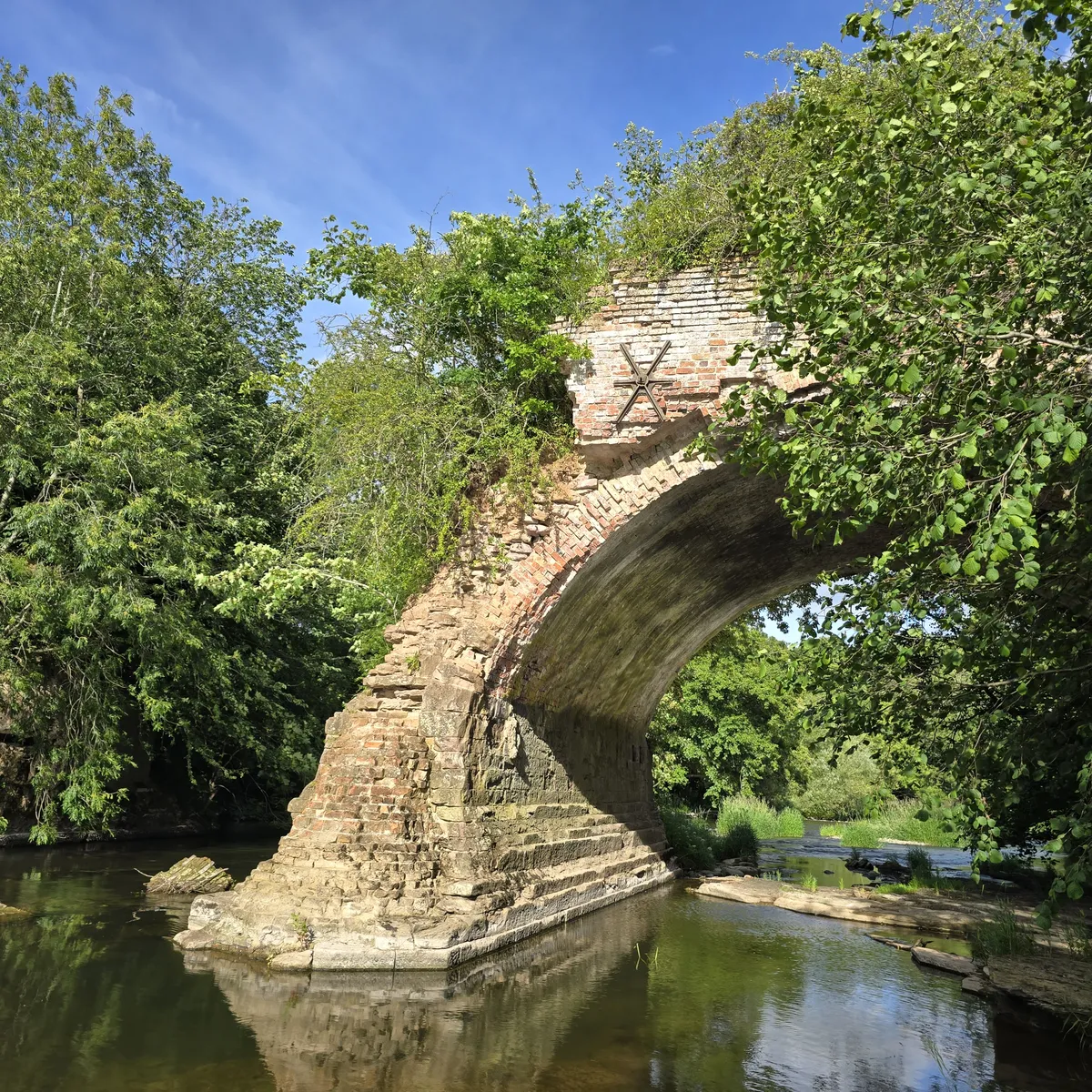 Teme Aqueduct 6 pointed supports
Despite its flaws in construction, it stood largely without help from the time the Leominster canal closed, until 29th May 1941 and its there our story continues. I wrote in my very first blog Worcestershire's forgotten WWII history and its follow up; Yet more on Worcestershire's forgotten WW2 history about how General Ironside had intended a number of stop lines in the county, including one based around the river Teme. Part of these plans would have included blowing up bridges like the one at Stanford. To practise, Western Command set up two training exercises starting on the 26th May 1941 - codenames Hops and David. These exercises were designed to simulate a hostile army landing on the South Wales coast 1. Operation David was first - on the 26th and 27th May simulating the landing and defence. The men then had a days rest before moving to Worcestershire and Shropshire.
On the 29th May, Operation Hops started with the 36th Independent infantry brigade acting as the enemy and coming up against the Home forces responsible for defence as part of the so called 'Battle of the river Teme. In addition to the 36th, the 5th Battalion Royal East Kent Regiment (the Buffs) and the 139th Army Field Regiment (364th battery ) were used to act as the infantry and artillery respectively.
In this scenario it was decided 'the enemy' would blow the bridges rather than the home guard (who presumably couldn’t be trusted). As such, the explosion was to be carried out by 216th Royal Engineers (TA) although a number of sources also suggest they had assistance from a specialist shot firer from the local Clee Hill stone quarry as the Royal Engineers couldn’t deal with the heavy clay base of the canal.
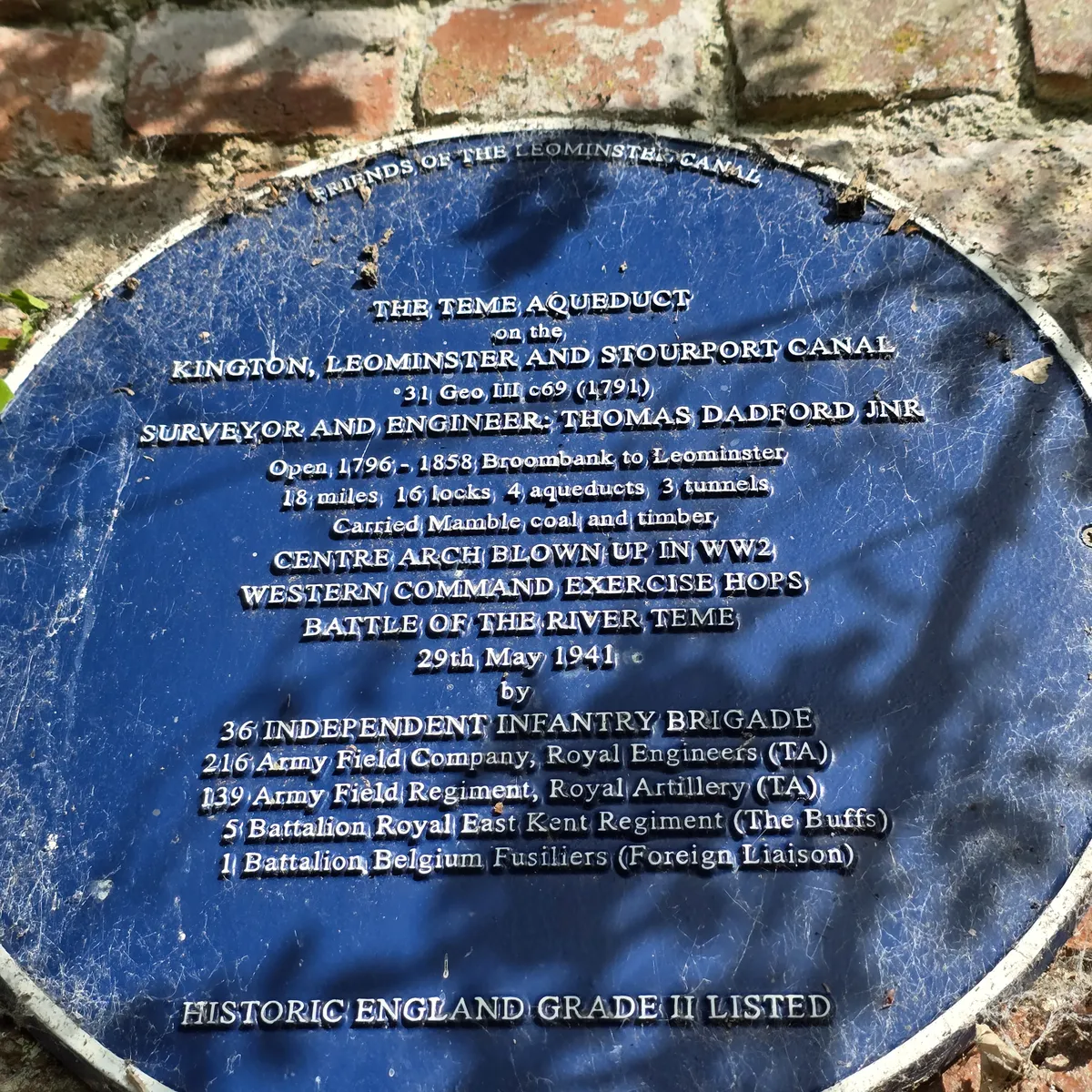 Blue plaque commemorating the canal and 'The Battle of the river Teme'
As part of the same exercise, a number of simulated explosions were carried out on actual local bridges with only the aqueduct coming in for a real world test. The local home guard would have been involved, but it seems mostly as observers with a limited function role.
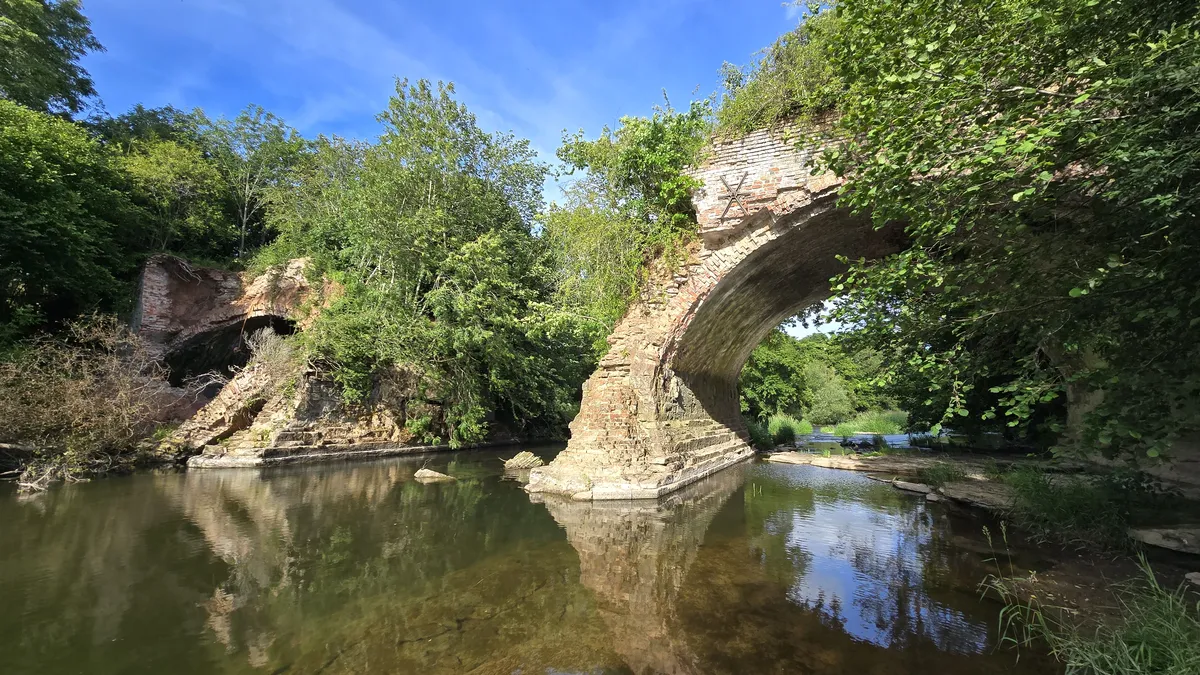 Teme Aqueduct as it stands today
All of this means today only two spans of the Teme aqueduct still stand, the central one being blown as described. The south side has visible supports and the blue plaque (above).
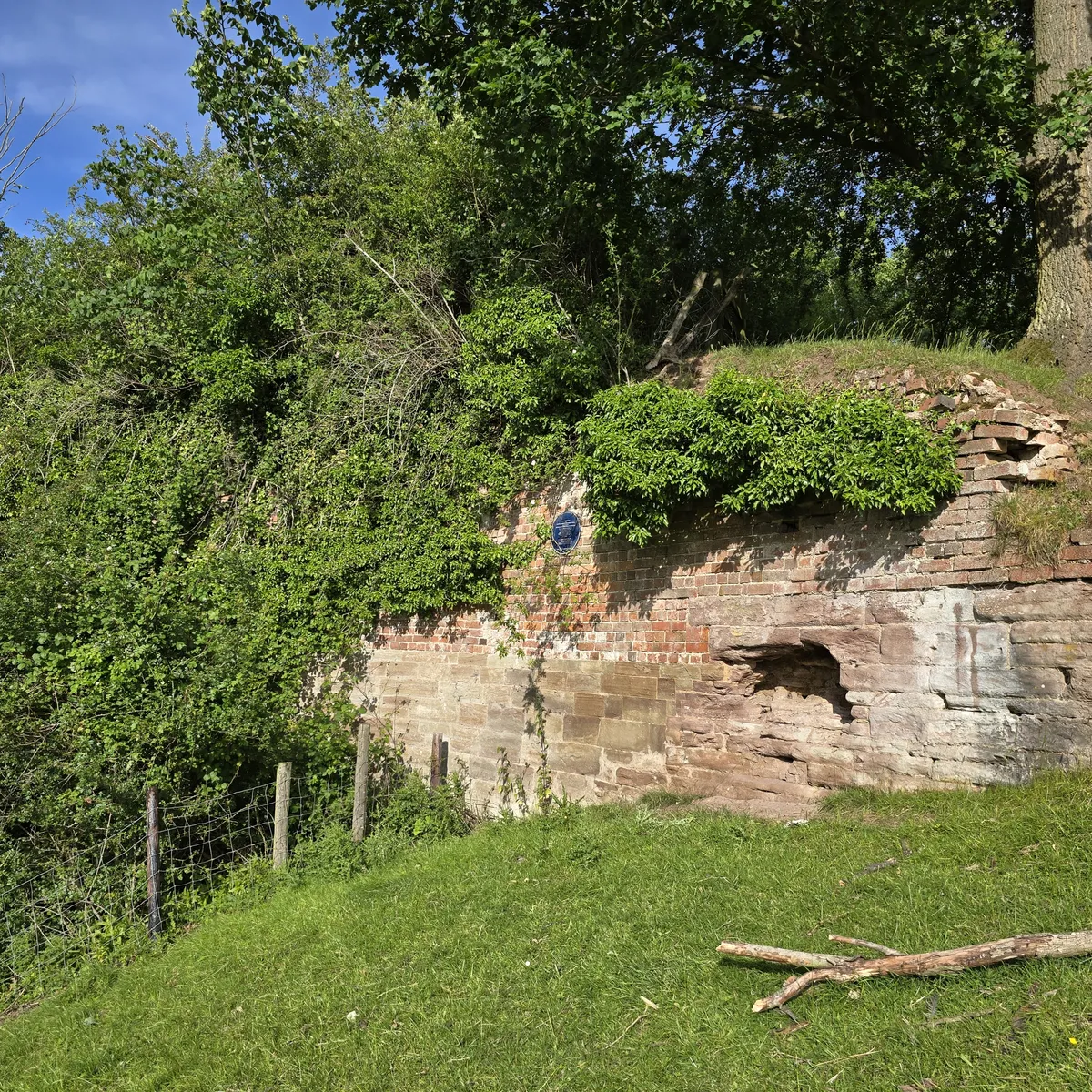 South side of the aqueduct
Before you reach this point, you can still make out the indentation on the landscape from where the canal would have stood - now very overgrown and only really providing a home to a large number of sheep.
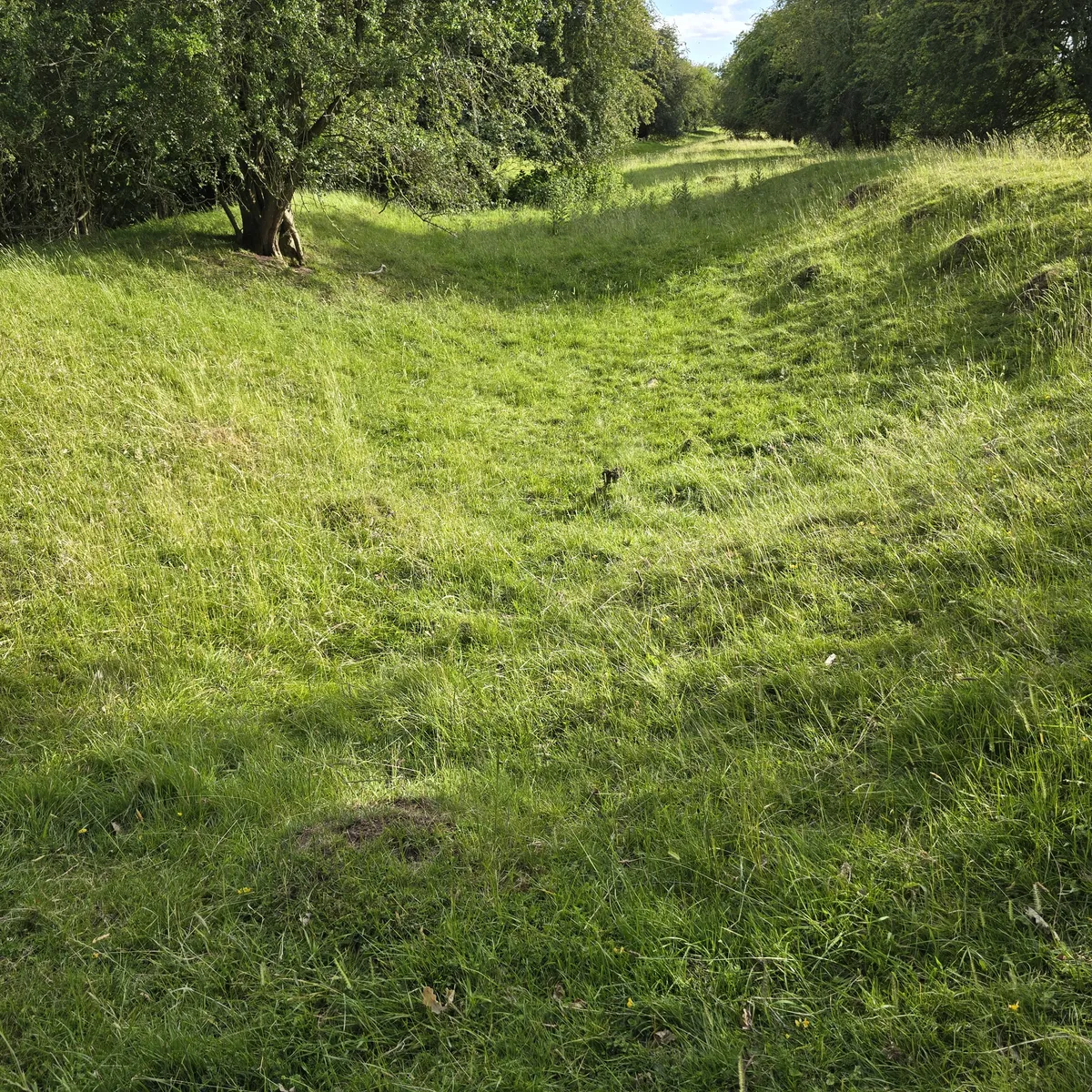 What's still visible of the Leominster canal
The remains of the aqueduct are slowly falling into the river, the explosion and its early poor construction seem to be taking its toll and its wearing away, but what still stands is a rather fantastic reminder not only of our early industrial heritage but also the reality of force planning should the UK have been invaded during WWII. I've already looked at tank blocks and a pillbox on the same small stop line designed to slow enemy forces from entering the industrial West Midlands and its been interesting trying to get actual sources on operation Hops. For this largely I have borrowed the work of David Slater in the Railway and Canal Historical society journal https://rchs.org.uk/wp-content/uploads/2020/10/Journal-235-Jul-2019.pdf (page 487).
Worth mentioning here, that the closest foreign launching point may have been assumed to have be Eire, as the Irish were officially neutral, but for historical reasons not that keen on the British!↩