Chernobyl 40 years on
Forty years ago on 26th April 1986 the Chernobyl (Чернобыль) nuclear power plant reactor 4 exploded. Located close to the city of Pripyat (Припять). The story of how this happened and the aftermath is covered in extensive depth in a number of places and I'm not going to go over that ground in this blog. The HBO series and a myriad of books, documentaries, podcasts and such will explain the background for those curious.
In brief however, the explosion and massive radiation that was released resulted in 3 zones surrounding the reactor becoming isolation zones. These zones included the city of Pripyat and meant the population was eventually evacuated. When I lived in London, I was informed by a lady who grew up in the USSR, that there really should have been 4 zones, but the 4th zone would have included Kiev (Kyiv) and the Soviet authorities simply couldn’t manage the evacuation of such a large city. Even today the background radiation in Kiev is higher than it should be.
I spent some time back in 2012 in Ukraine, living out of an apartment in Kiev and during that trip I was able to visit Chernobyl and parts of Pripyat on an organised tour. I had to submit a number of details to a government agency for this, send money to a random PayPal address and be met by a sharply dressed fixer outside a hotel in Kiev who got us all in a car with a driver who'd escaped from the containment zone. The fixer then promptly disappeared and left us with Igor for the 3 hour drive to the containment zone.
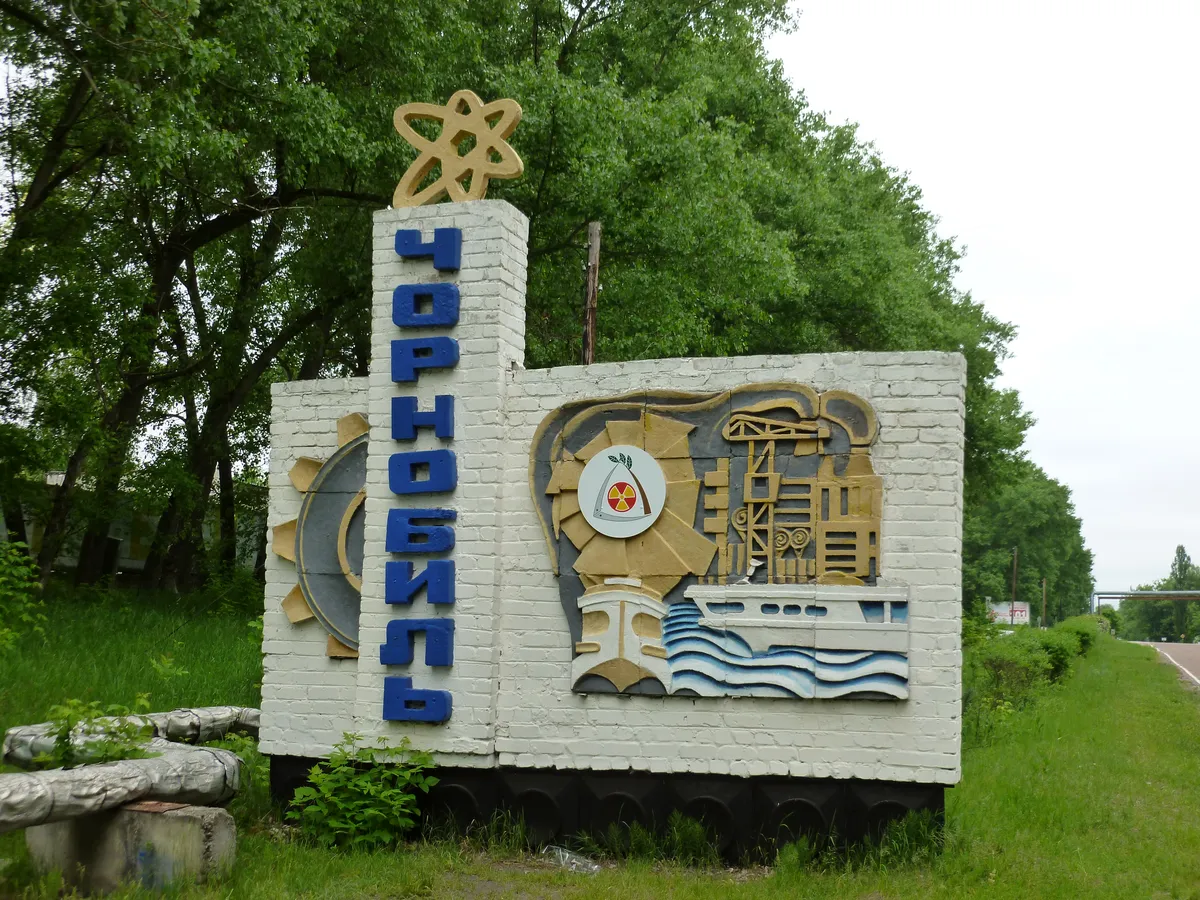
Entrance to Chernobyl
The tour itself took us from the entrance to Chernobyl to parts of the city of Pripyat including an old children’s nursery outside of which is a memorial to the firemen killed attempting to contain the fire and radioactive material.
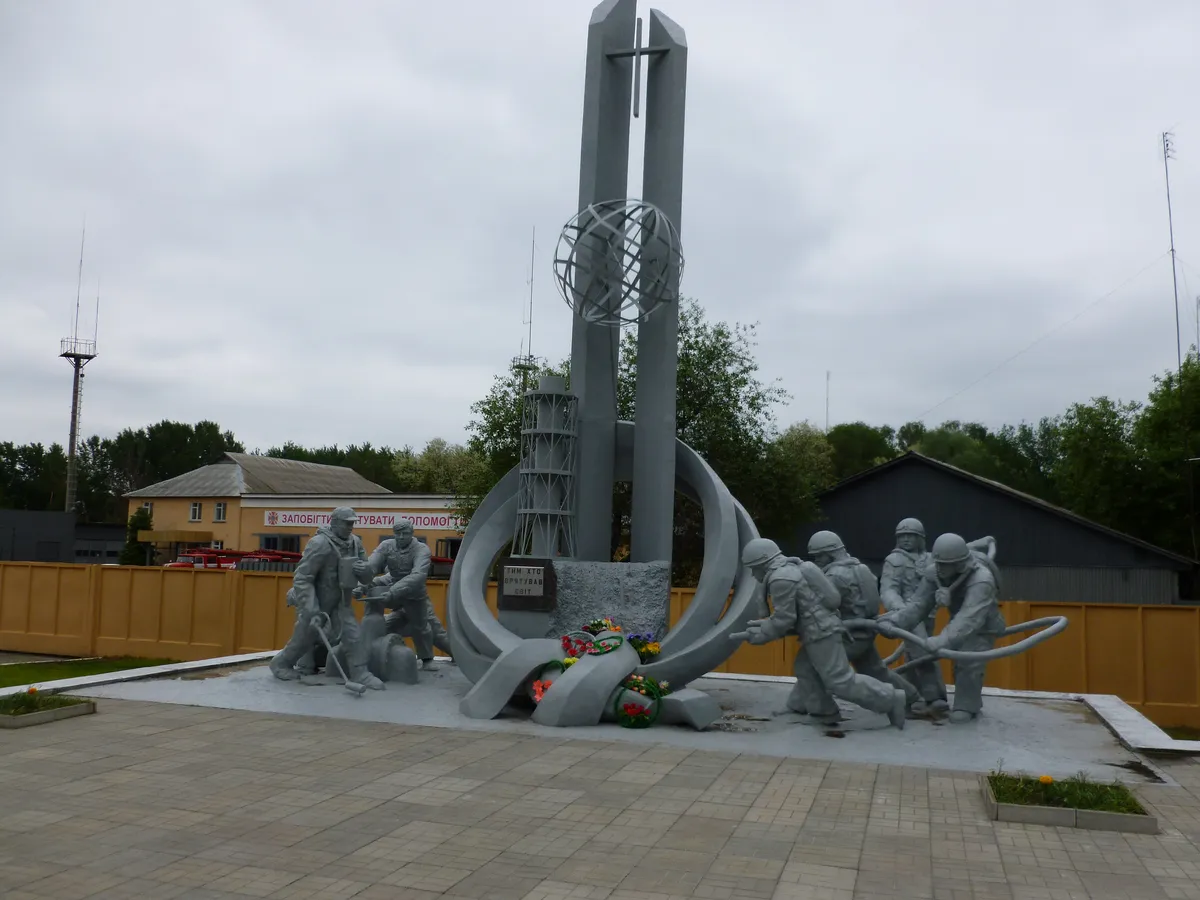
Memorial to the Firemen of Chernobyl
We then visited the site of reactor 4. When I visited it was still only covered by the original 'sarcophagus' that had been built to contain the radiation. In 2017 a new structure was put up to cover the site and allow for continued clean up. Nearby to the site are building for the scientists, engineers and others who (then) were working on monitoring and cleaning the site. We had lunch in the staff canteen which was one of the more bizarre experiences of my life.
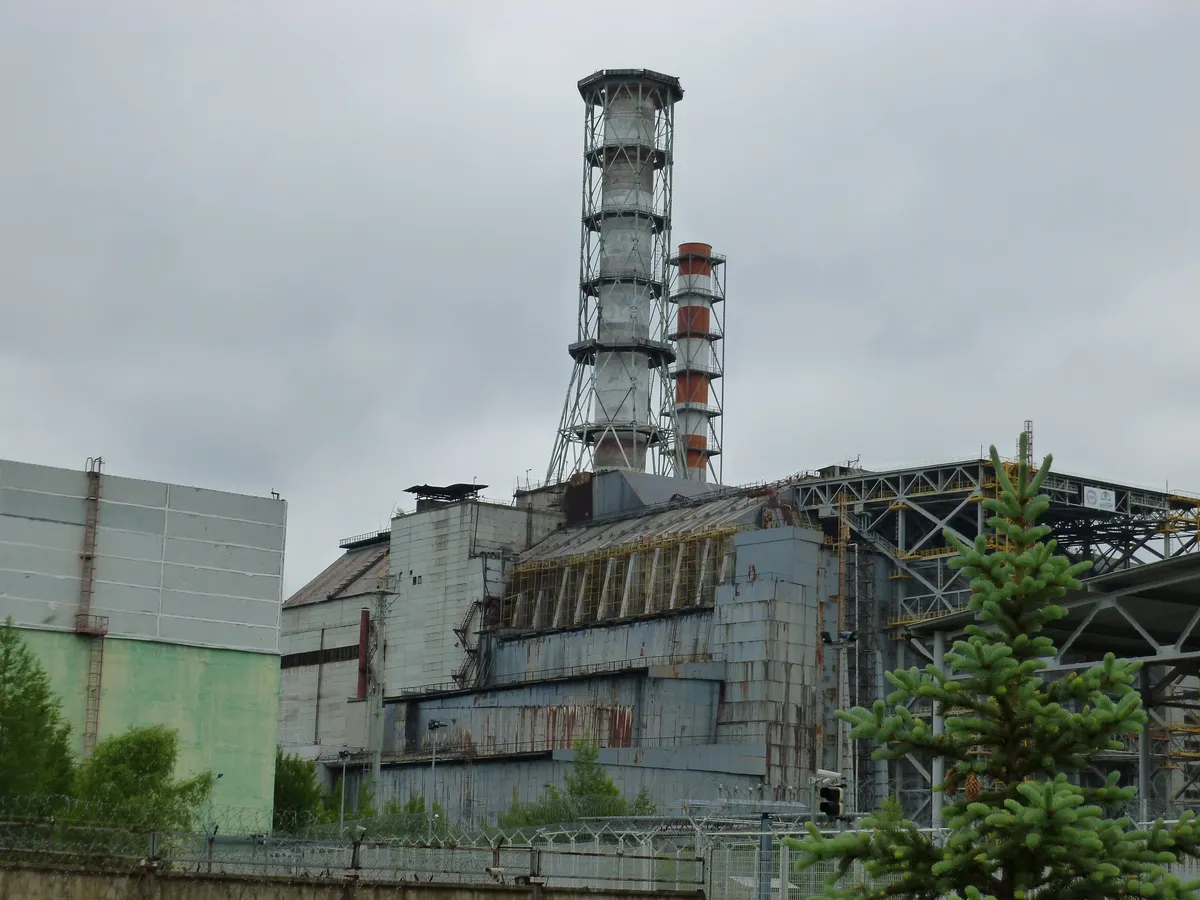
The original sarcophagus at reactor 4 Chernobyl
The tour of Pripyat I'm sure followed a well worn route, but included the famous sites of the rusting Ferris wheel and the broken down Soviet era buildings, still with hammer and sickle on the roof. It was clear even 14 years ago how much nature was reclaiming the site and I'm sure now given the sad situation in the country and no more tourism its now considerably more overgrown.
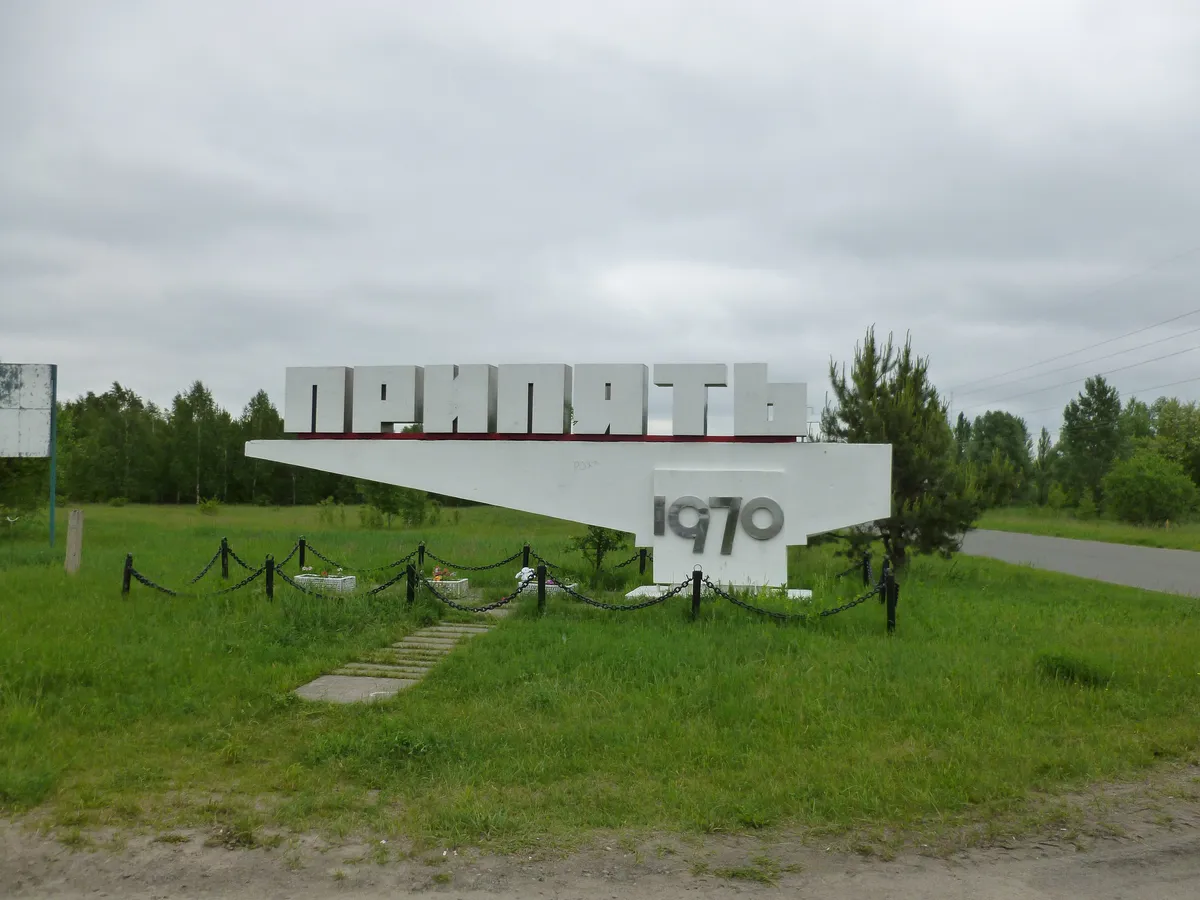
Pripyat City entrance
The day ended with us passing through a radiation detector gate. The hilarious thing about this step was that both the 'clean' and 'contaminated' lights were white and in Cyrillic. I was the only person afaik on my tour who knew the words. Thankfully mine was 'Clean'.
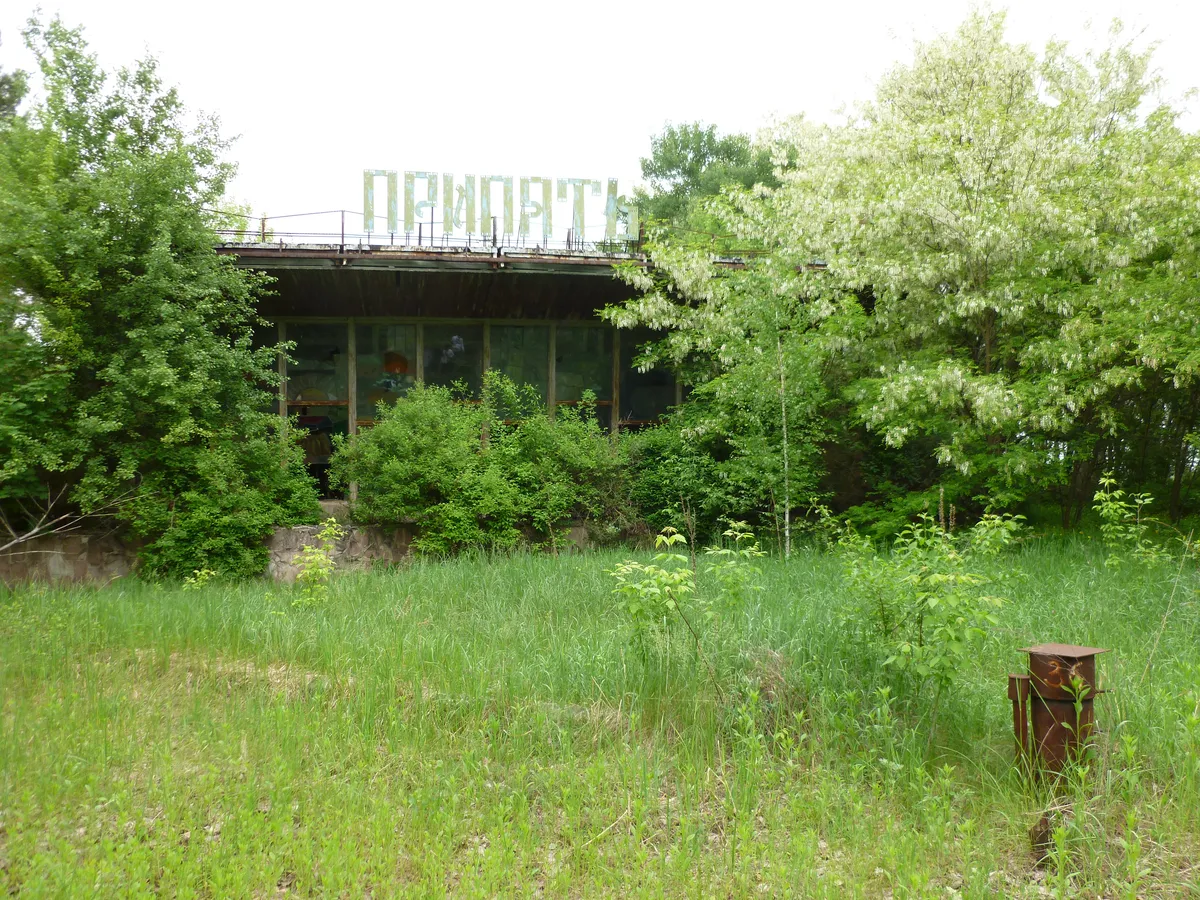
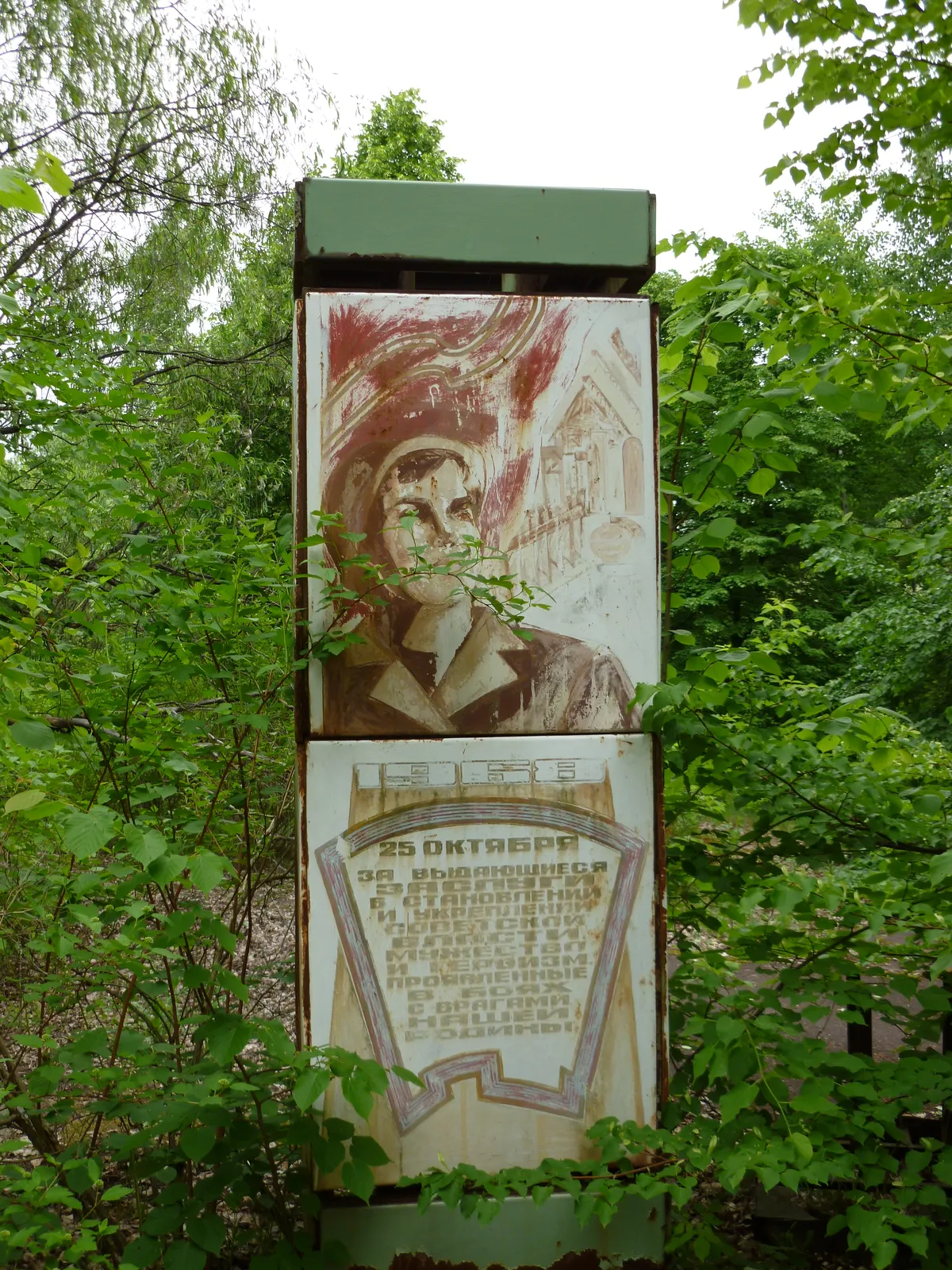
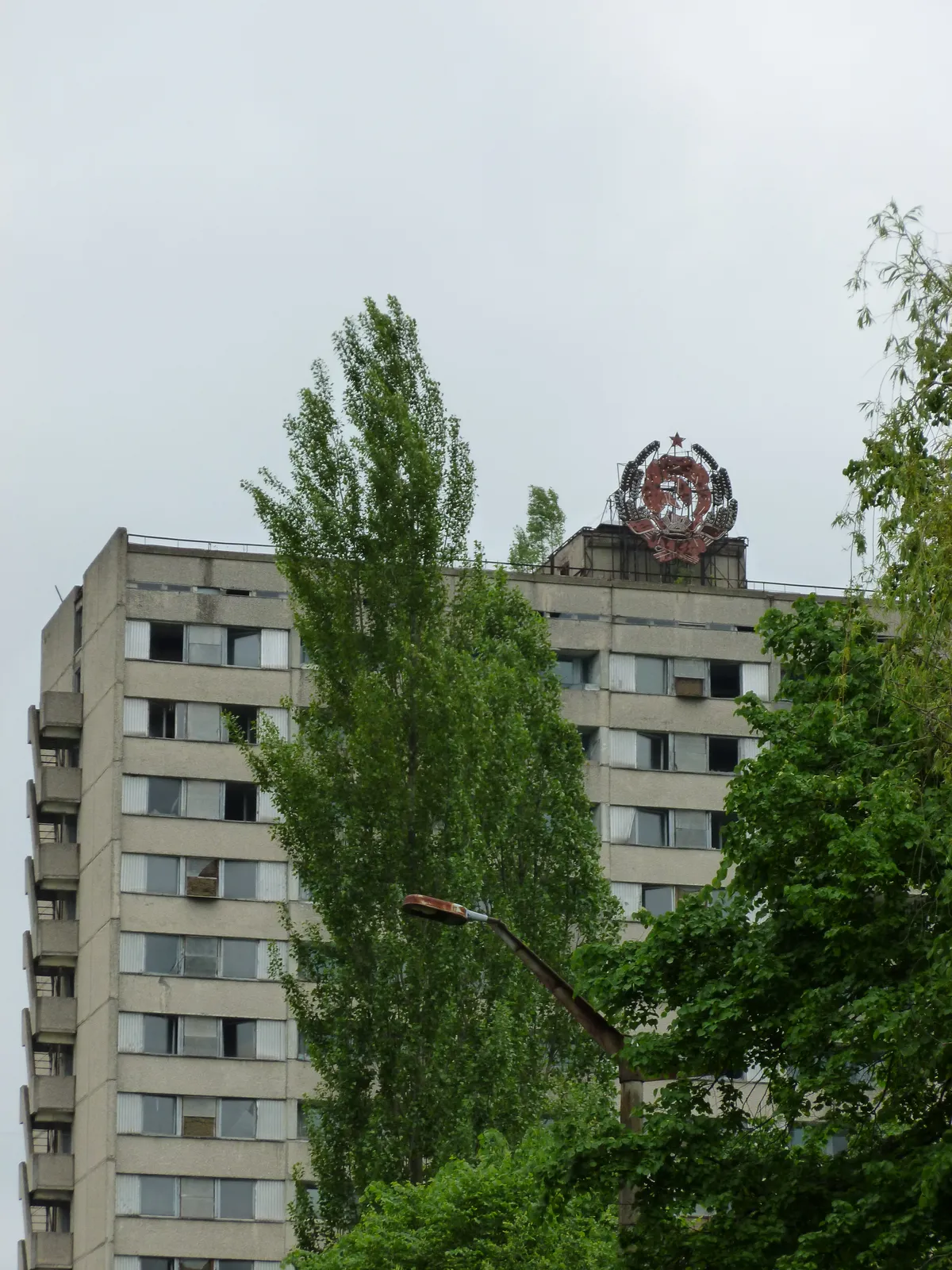
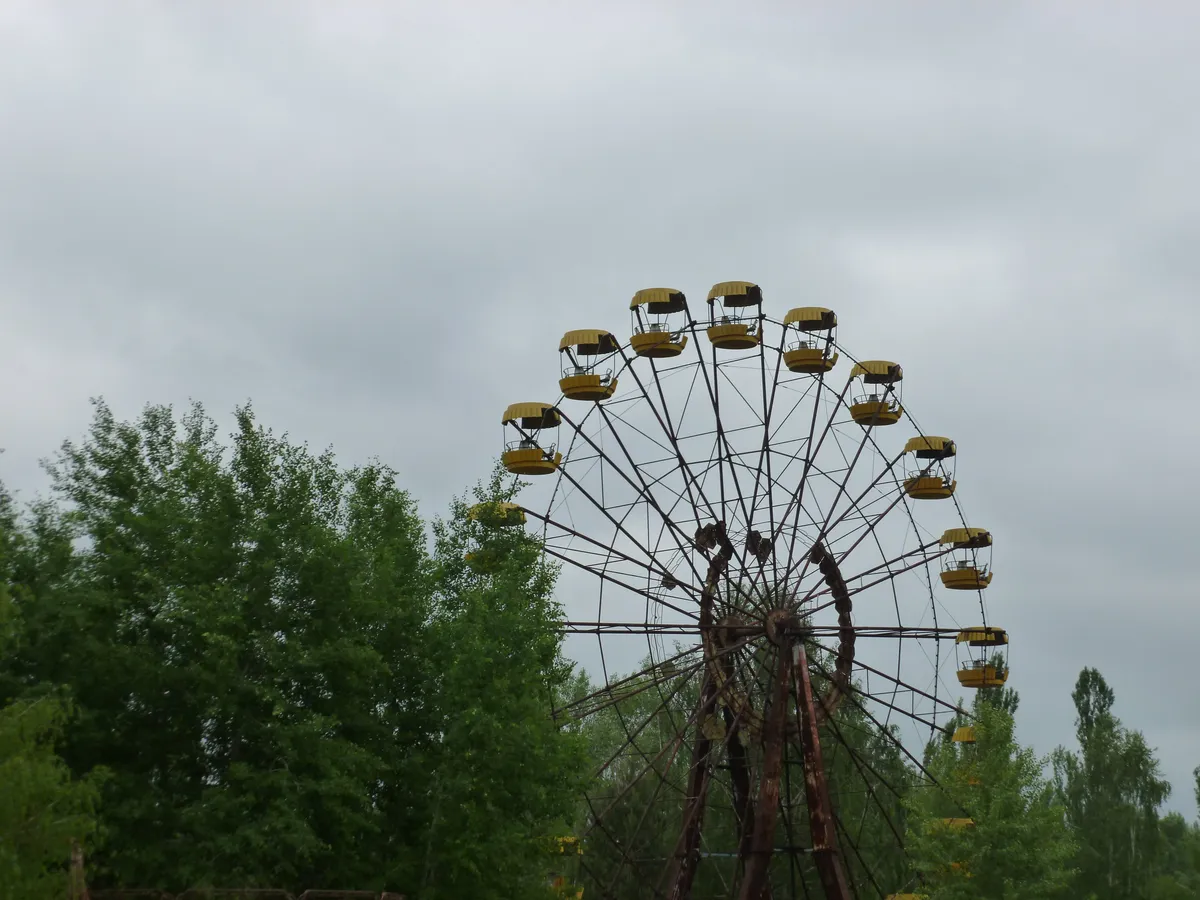
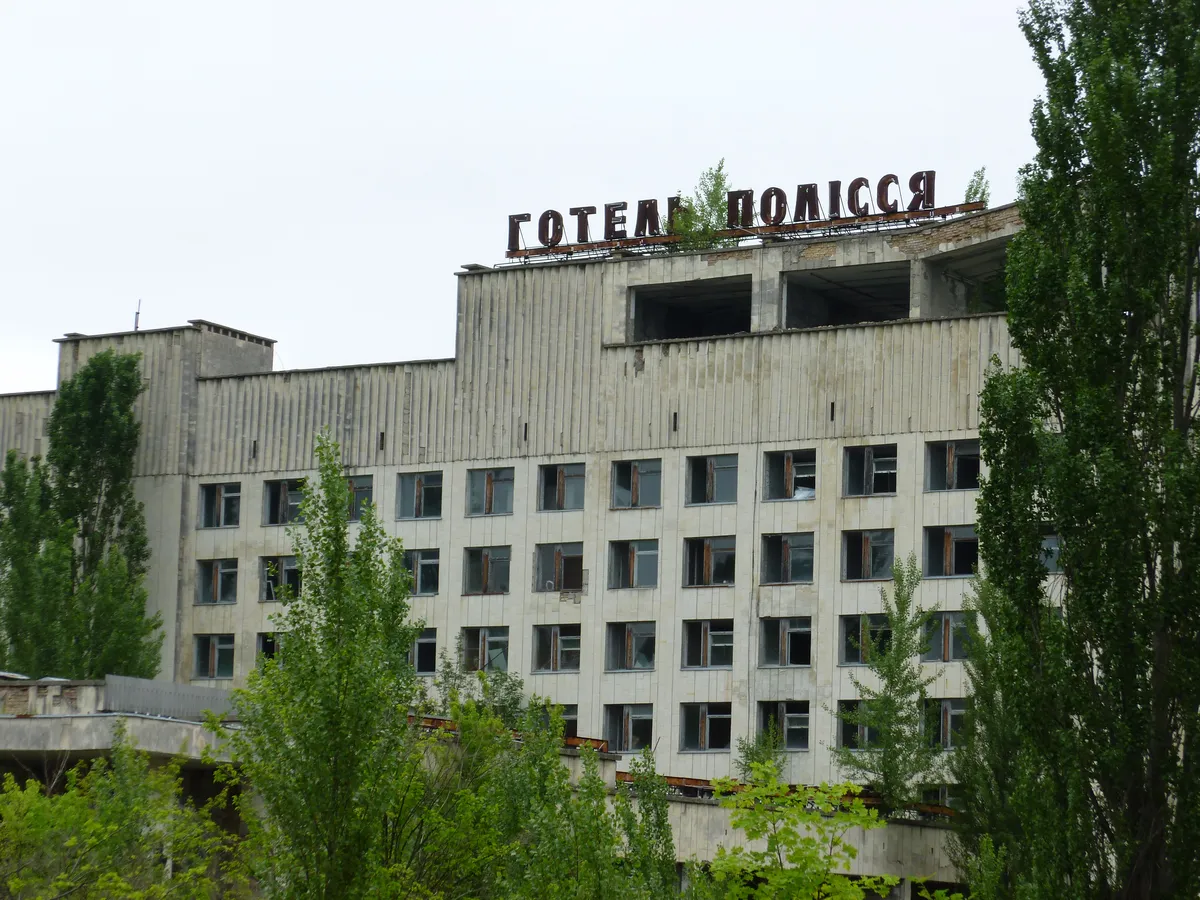
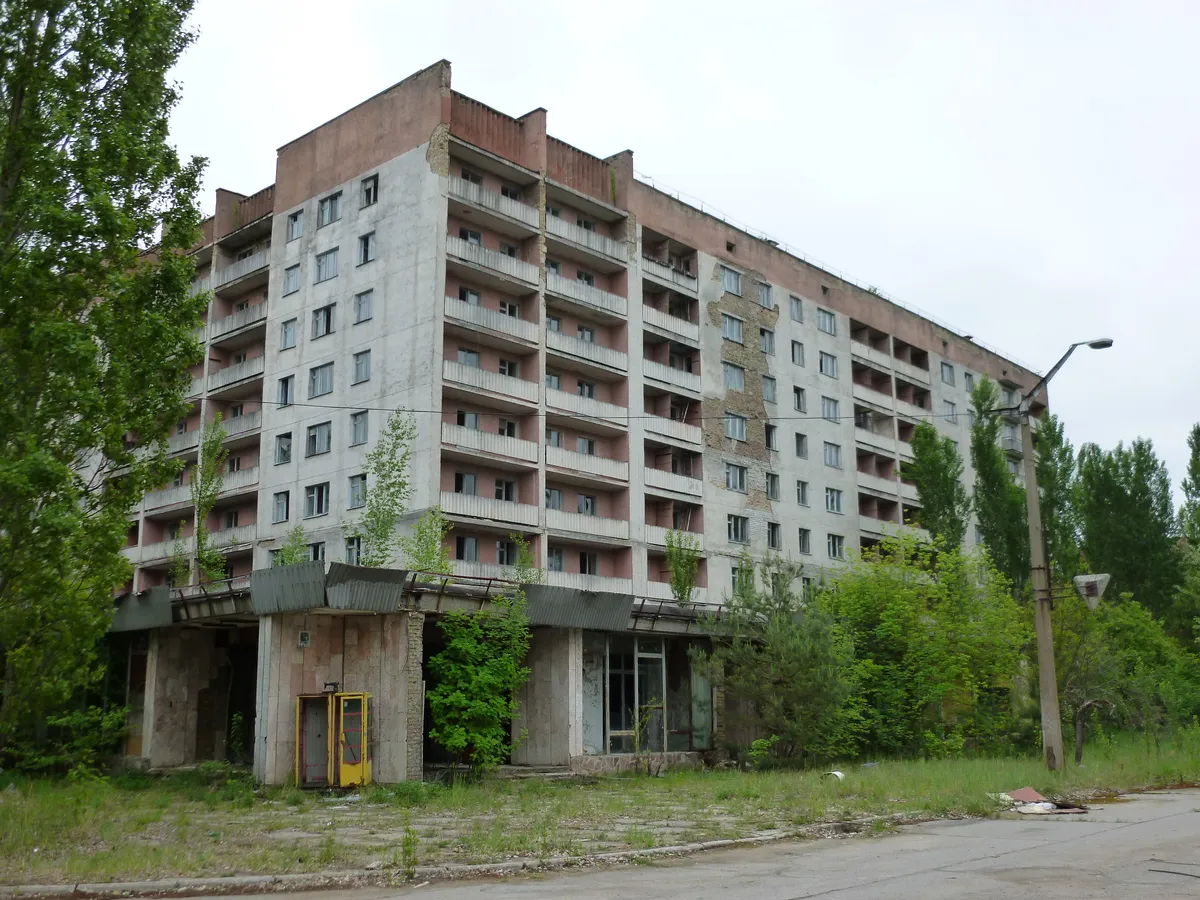
Gallery of Pripyat
A remarkable trip to a place that for all the wrong reasons has cemented its name into popular culture. As Ukraine deals with its more pressing struggles 40 years later its worth pausing a moment to remember the loss of life and the continued impact this disaster had upon the world. Its hard now to think about nuclear power without the words 'Chernobyl' or 'Fukushima'.