Hunting Worcestershire’s forgotten WWII History
Mention the defence of the UK during the early years of World War two and most people of a certain age think of the comedy ‘Dads Army’. Certainly I’m just about old enough to have watched the endless repeats of this on TV. The hapless activities of Pike, Mainwaring et al are quite a long way from the real home guard and even further from the hard, trained secret army that operated on home shores at the time. I recommend the book ‘The Mercian Marquis’ for further details. Even the maligned home guard themselves, would largely have been ready, if not always entirely able, to fight and to die defending the country.
The real story of home defences start when Churchill was appointed Prime Minister of the UK on 10th May 1940 and shortly after, accepted the offer of General Ironside (then Chief of the Imperial General staff) to take up command of Home Forces starting in his post on the 27th of May.
As home defence forces got boosted by the returning forces from Dunkirk, General Ironside reported on his plans to defend against an assumed German invasion to the joint chiefs a month later on the 25th of June. He assumed the invading forces would use simultaneous attacks at numerous widely scattered points on the South East with the distributed columns then pressing on, without full support or protection on the flanks as they had in France.
There were 3 primary elements to his plan - firstly and most obviously the defence of the landing beaches around Britain with anti tank measures, gun emplacements and physical barriers like earthworks and mine fields. Secondly was the so-called ‘GHQ’ line stretching roughly from Bristol to London, around the capital and then onwards to Edinburgh. This line of defence consisted of anti tank elements, gun emplacements and pillboxes to defend not only the Capital but also the industrial heartland of the Midlands (the author is from the Black Country bab) and the North. Finally a field army was expected to move and counter attack where possible.
The need to protect the industrial West Midlands as well as sites in Worcestershire led to further ‘stop lines’ in addition to the GHQ line being put in place. The intention was to delay the invading armies from seizing production of arms and machinery from sites like the BSA (Birmingham Small Arms) in Small Heath, familiar to anyone who’s watched the TV show ‘Peaky Blinders’. As well as protecting RAF sites in Worcestershire like RAF Defford and Pershore that were doing research into air to air radar.
Three major lines of defence were formed in Worcestershire that utilised natural features of the landscape where possible to aid with protection. The Avon line ran from the River Severn in Tewksbury across to Leamington and Braunston near Northampton. The Severn stop line ran from Tewksbury to Llandrinio protecting any possible invasion from Ireland (not really on our side) or France and the River Teme stop line from the Severn to Ludlow also utilising the Wolverhampton-Stafford canal. Living fairly near most of these points, I’ve started to go out hunting for the little remaining evidence of these defences. Most sadly have been long since been lost to time, building development, farmers and the river waters themselves.
The simplest things to find when out on a walk are the anti tank measures, I say simple, but given the passage of time you usually need to know where the bloody things are, go wading through the undergrowth to find them. In the case of some in Droitwich however, they’re in a front garden of a nice bungalow so it varies.
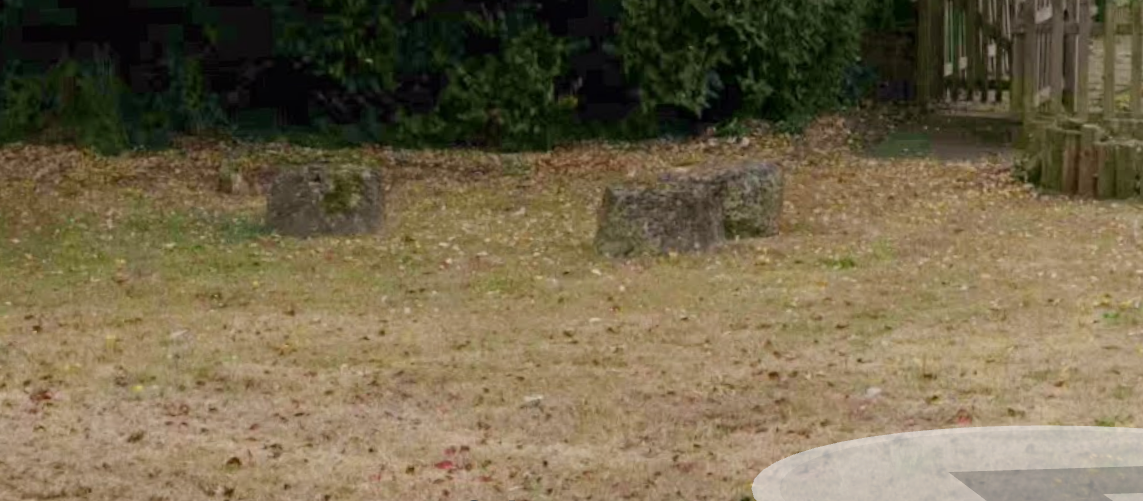
The anti tank obstacles tend to be large cylindrical blocks of concrete, possibly with rusted bits of metal that once would have held barbed wire or other additions stuck into them. In the natural sandstone around Stourport there are some made of carved rock. At first (and second) glance not tremendously exciting, but these blocks have stood for 85 years at the sides of roads, never moved, not broken up and never having seen the purpose they were put there for. It’s a small and yet very significant piece of our history.
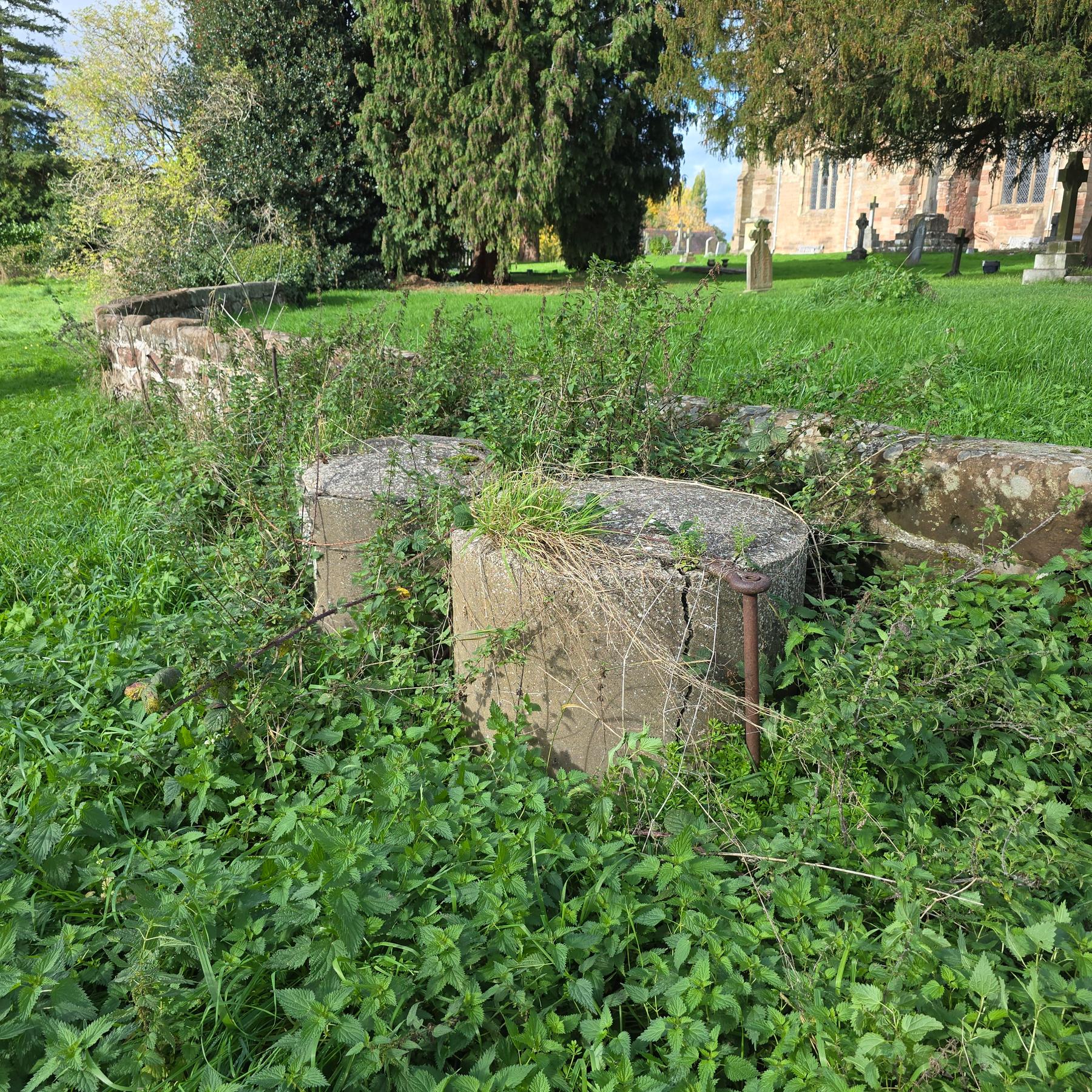
Next to Chaddesley Corbett church, which is a rather lovely spot,you can find some. Left presumably because the church owns the land and doesn’t want to move them. Or simply has never bothered to. These would have been part of the Avon line of defences, ready to block the main A road.
There is a larger selection on a lonely stretch of road near the river Teme. These were trickier to find, I know the area well and have done a lot of walking there and even I could only find the Southern collection. There are apparently still some on the other side of the road, but any chance of finding them was stopped by the undergrowth. These had all been buried under a farmers fence along the road side and covered in ivy and other plant life. Given the isolated nature of the spot, there were still signs of barbed wire, rusted steel and metal cables in the undergrowth. A long since forgotten location on the Teme defence line.
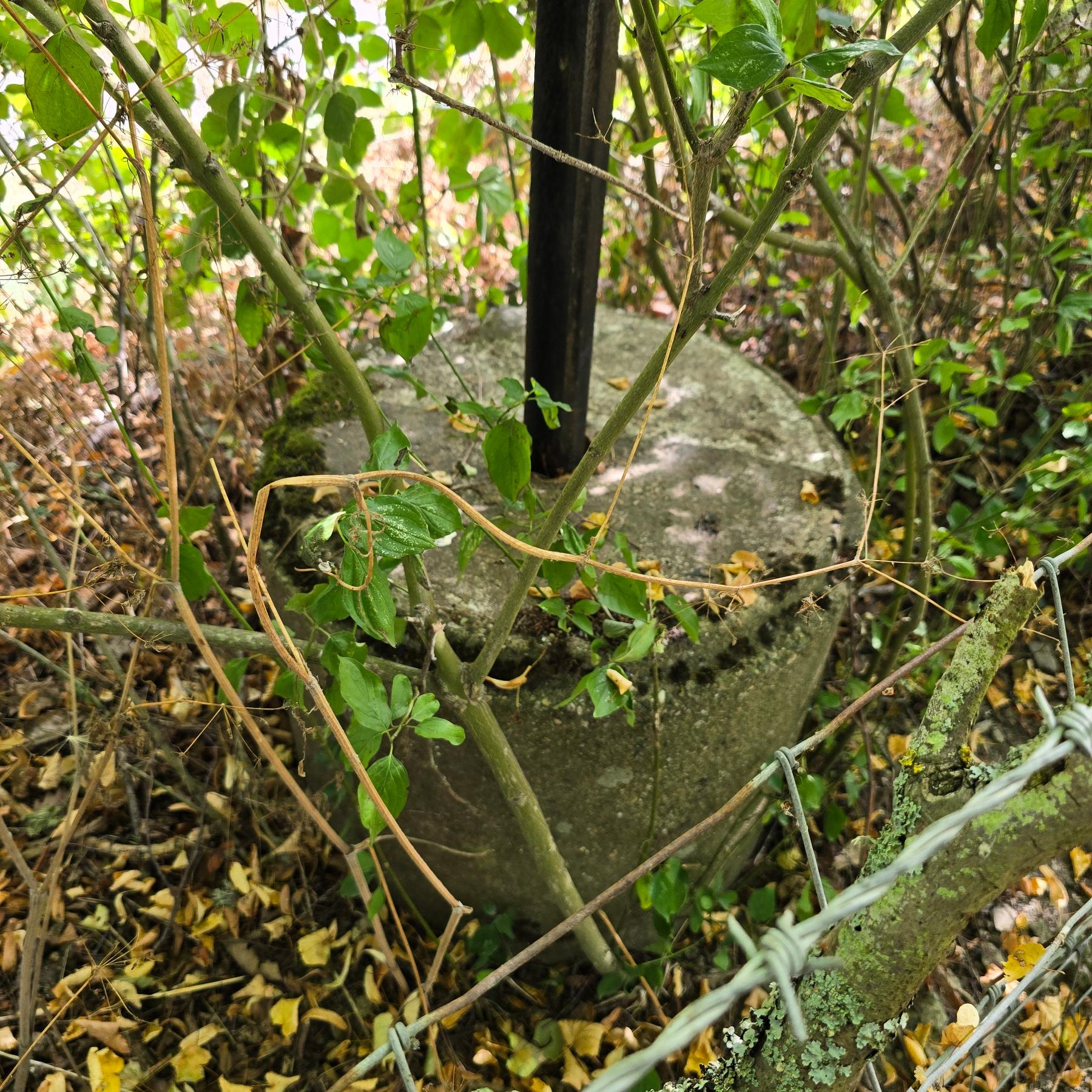
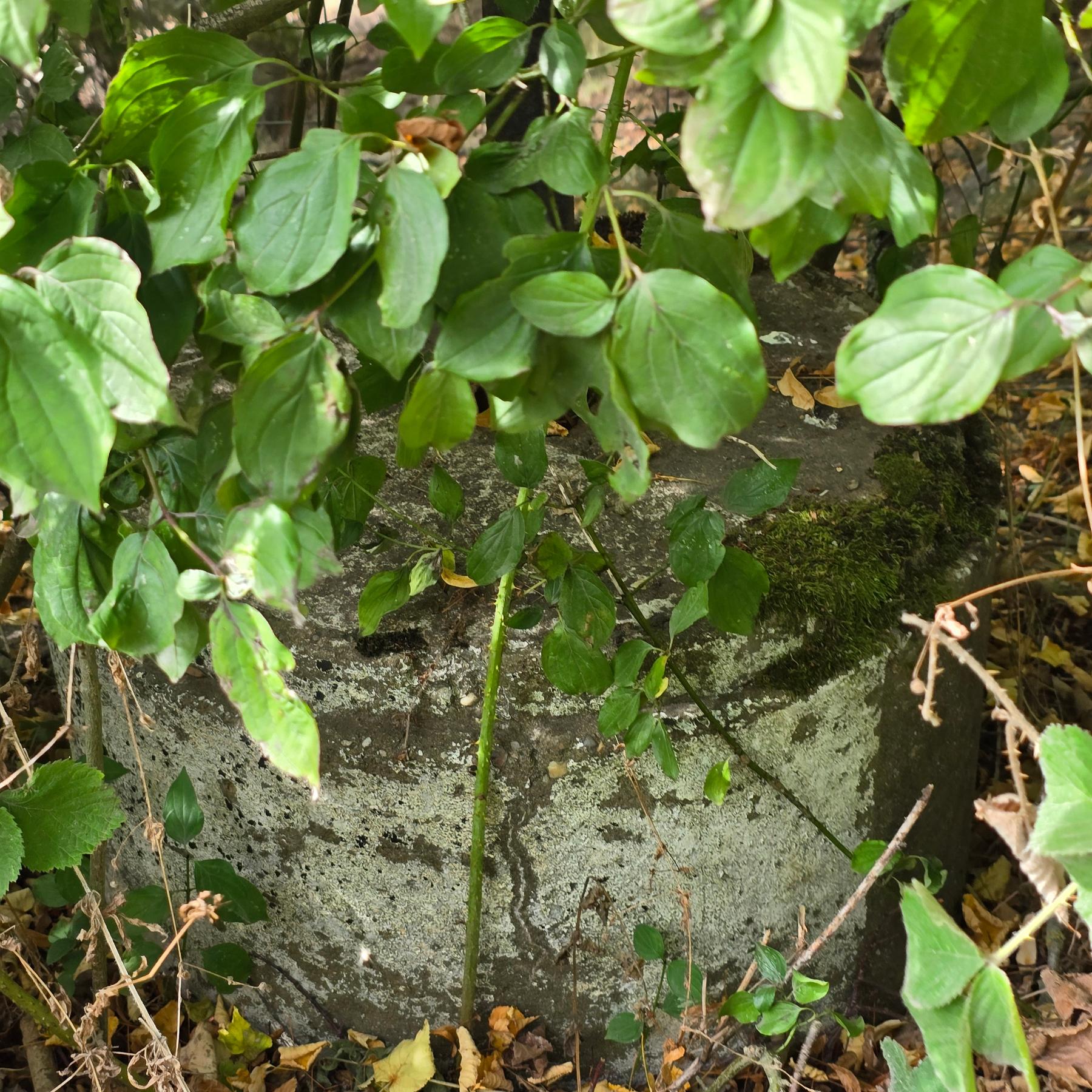
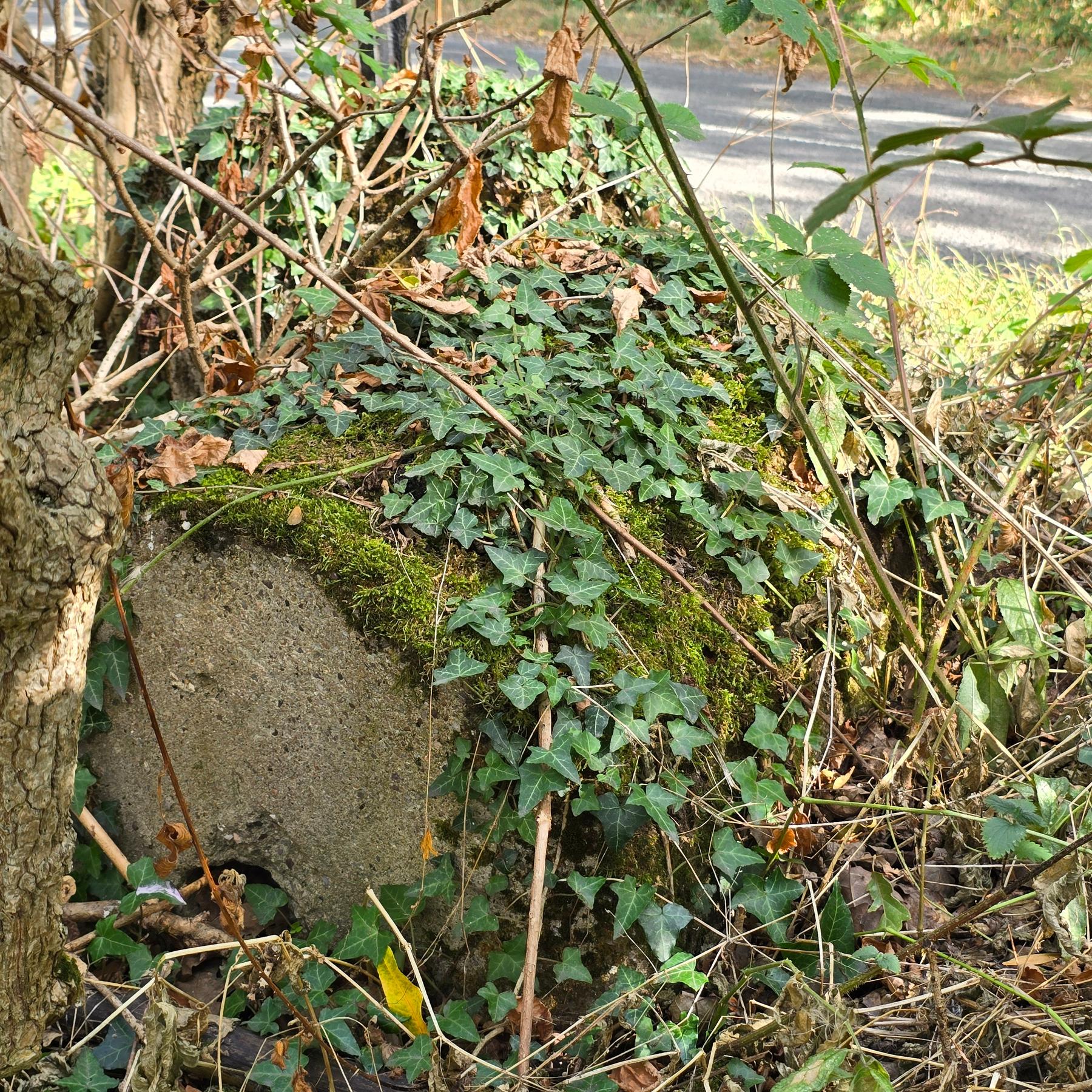
In both instances the blockades would have been moved into place by the Home guard or other home defence services to provide a small slowing of any motorised military traffic. There was also an intention to force tanks to use specific routes to drive them to anti tank ‘islands’ in Worcester, Kidderminster and Redditch where more wide-scale defences would be mounted. Certainly the Severn river crossings at Holt and Stourport would possibly have been destroyed to aid in this purpose. Forcing tanks to cross the river at Worcester would surely have slowed them down - it’s hard enough now in a car!
For these tank defences, after a few years despite war still raging in Europe, they were no longer considered necessary and moved to where some of them still stand today. They are largely small, forgotten bits of concrete and stone but I find it amazing that 85 years later they serve as a small reminder of what may have been.