On English churches (part 1) - Kilpeck
I like a good church, which might be an unusual statement coming from an avowed atheist, but there is something amazing that these buildings, many over 1000s years old, dot our country and still show some amazing features created with care so long ago. When I’m walking I’ll often try to pass and investigate churches out in the countryside of Hereford and Worcestershire. This awareness of what churches may offer was triggered by someone from an era of my life long since past, who introduced me to Simon Jenkins and his book ‘Englands 1000 best churches’. Only really as I’ve explored more local history have I really taken an interest again.
As BearBloggers tend to enjoy the old school internet, I’m going to mention the site https://greatenglishchurches.co.uk/ which frankly is a proper old school site, filled with passion, great information and good old English sarcasm. The author knows his subject well and I can’t express how much I’m thankful he still takes the time to have a site like that. I won’t remember to fully reference everything, but a lot of information below has come from him.
In the summer months, I had a very pleasant day off work to go and explore parts of Hereford - the next county over - and two of the places I really wanted to visit were churches. The 2nd will no doubt also feature in a blog post when I have more time to write, but the first visit was Kilpeck church.
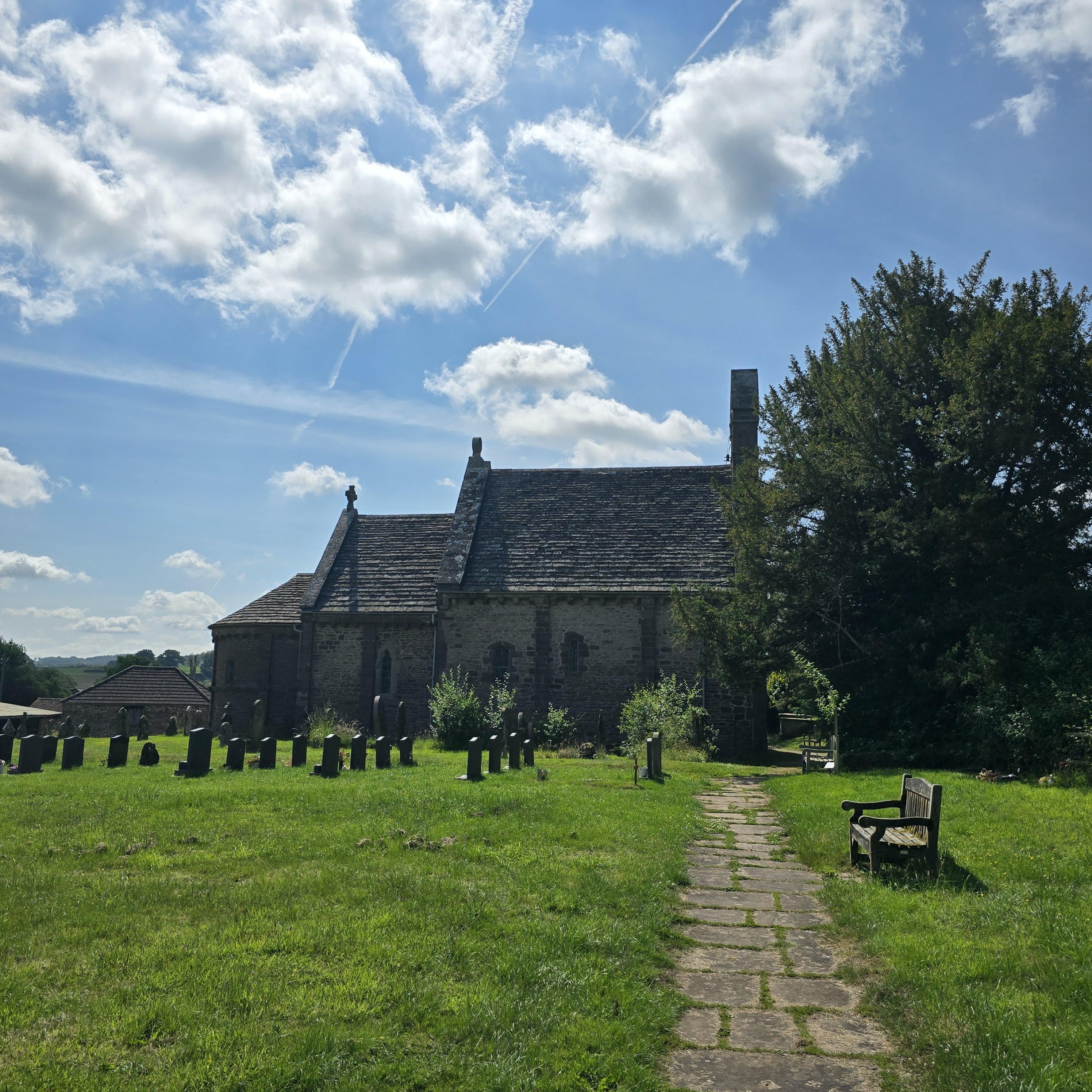
This church is famous for a number of reasons, but primarily for its carvings and especially its Sheela-na-gig, which is one of very few seen outside of Ireland. A Sheela-na-gig is usually described as an obscene perhaps pagan carving associated with lust (pro or against), fertility or perhaps even protection against evil. It is, in essence, a crude carving of a lady which has exaggerated and often pulled apart labia. The picture below is mine, but there are lots of others around the internet as it's one of the more famous examples. I’m not going to explore much on the history and mythology as readers may do that for themselves, there are a number of sites with far more information than I’ll ever read - from the historic to sites that mention goddesses a lot.
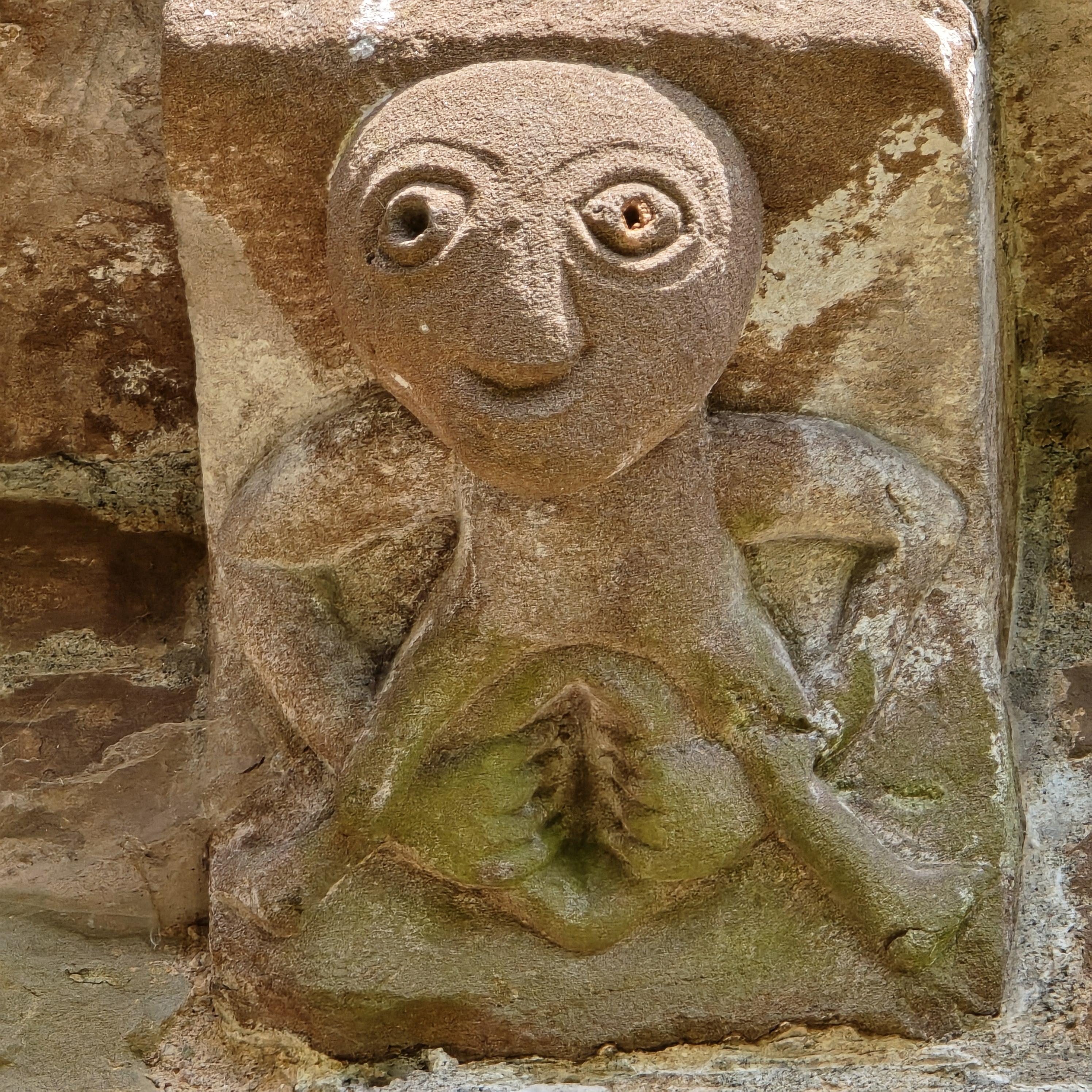
The church dates from the late Norman period around 1140AD and in addition to the Sheela has lots of other carvings surrounding it from the grotesque to the comic. The carvings were done by carvers known as the Herefordshire School. Whomever these people may have been, they produced work in a distinctive Romanesque style that is seen not only at Kilpeck but at other churches in Hereford and Worcestershire (including Rock which I really must visit soon). Its suggested the sculptors trained at either Leominster Abbey or Hereford Cathedral and had two main sculptors who had either been influenced by European design on the Santiago de Compostella pilgrimage or had been presented with similar images and styles by someone who had.
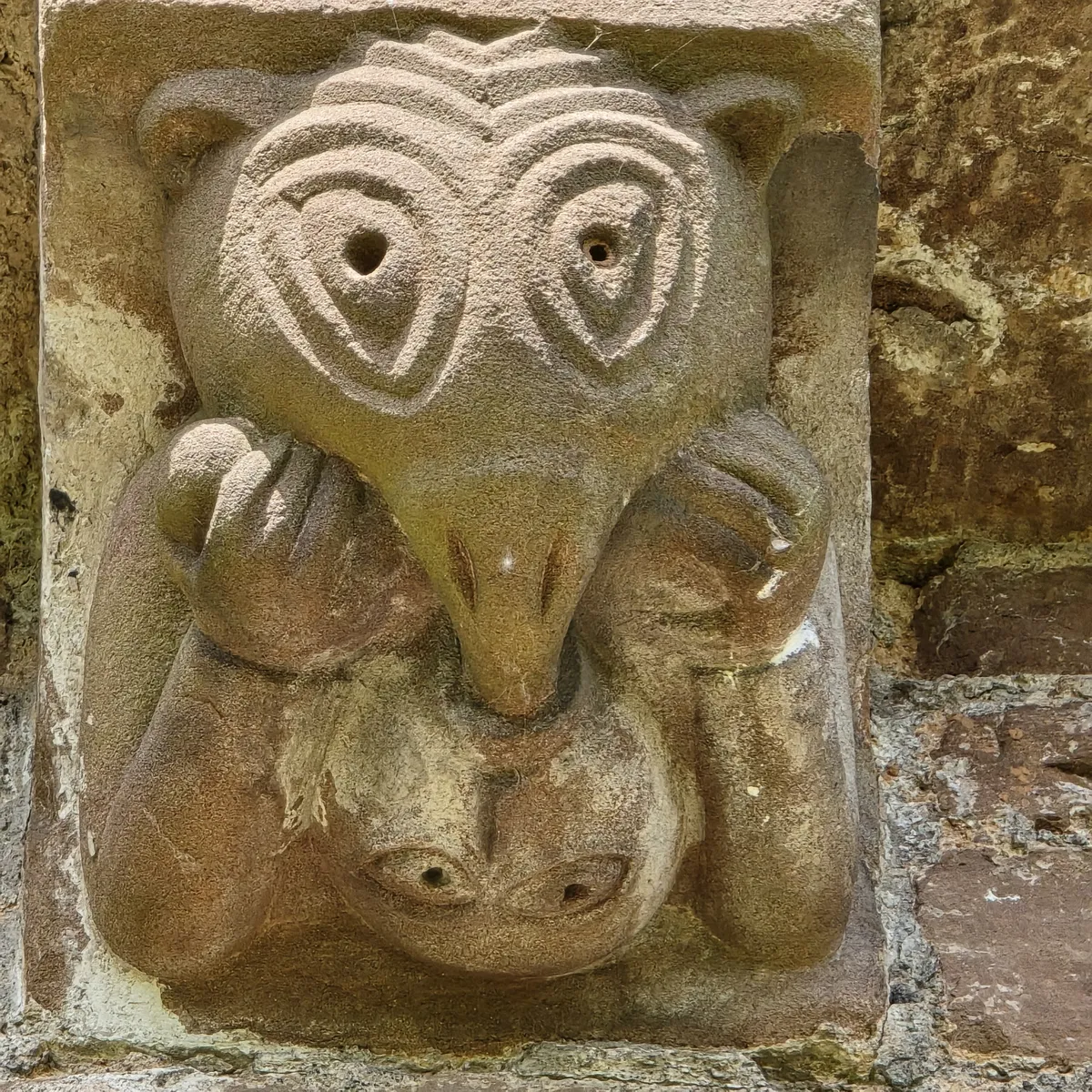 One of the carvings around Kilpek Church, perhaps of a bear.
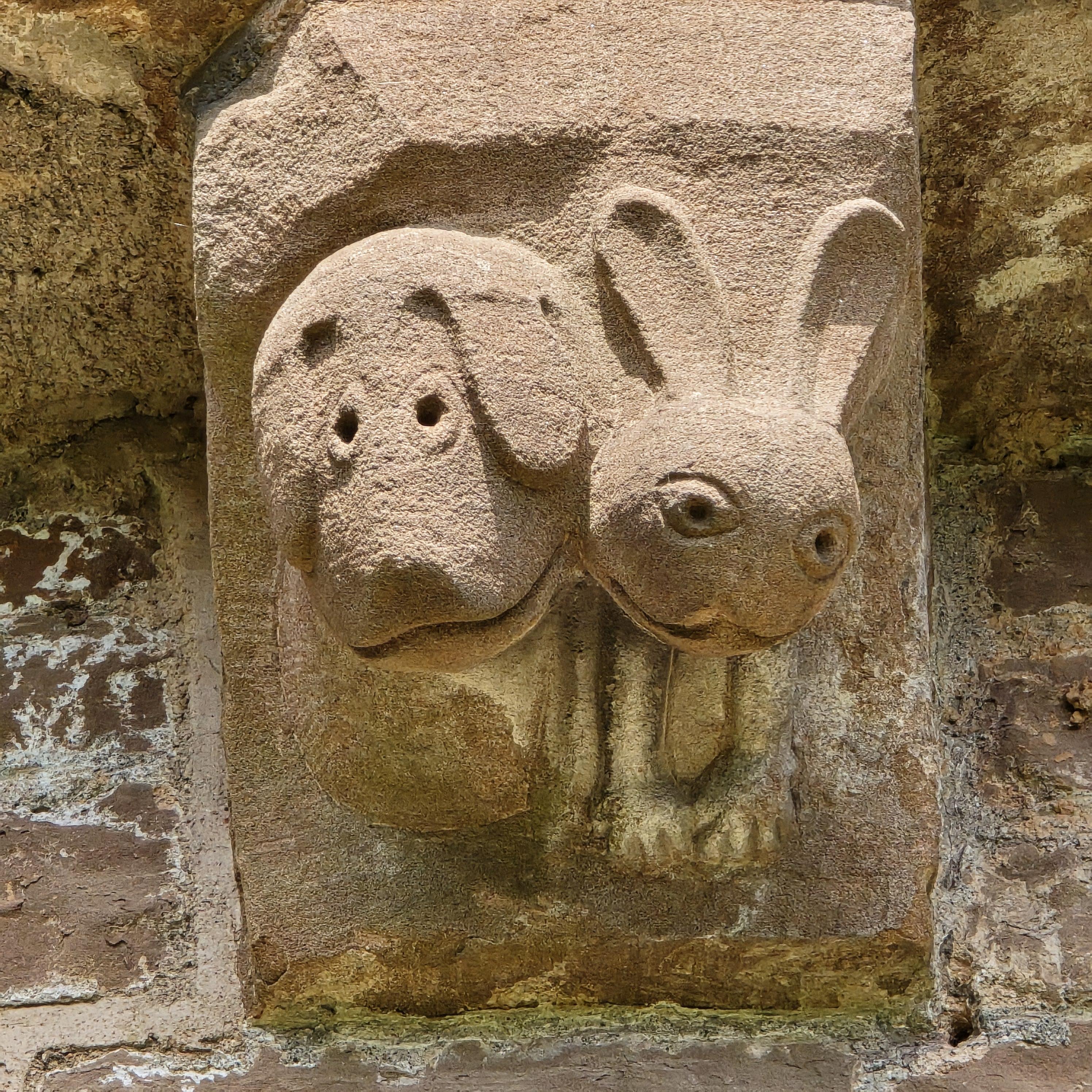 The bunny and the dog - The dog represents faithfulness and the hare represents “men who fear God”
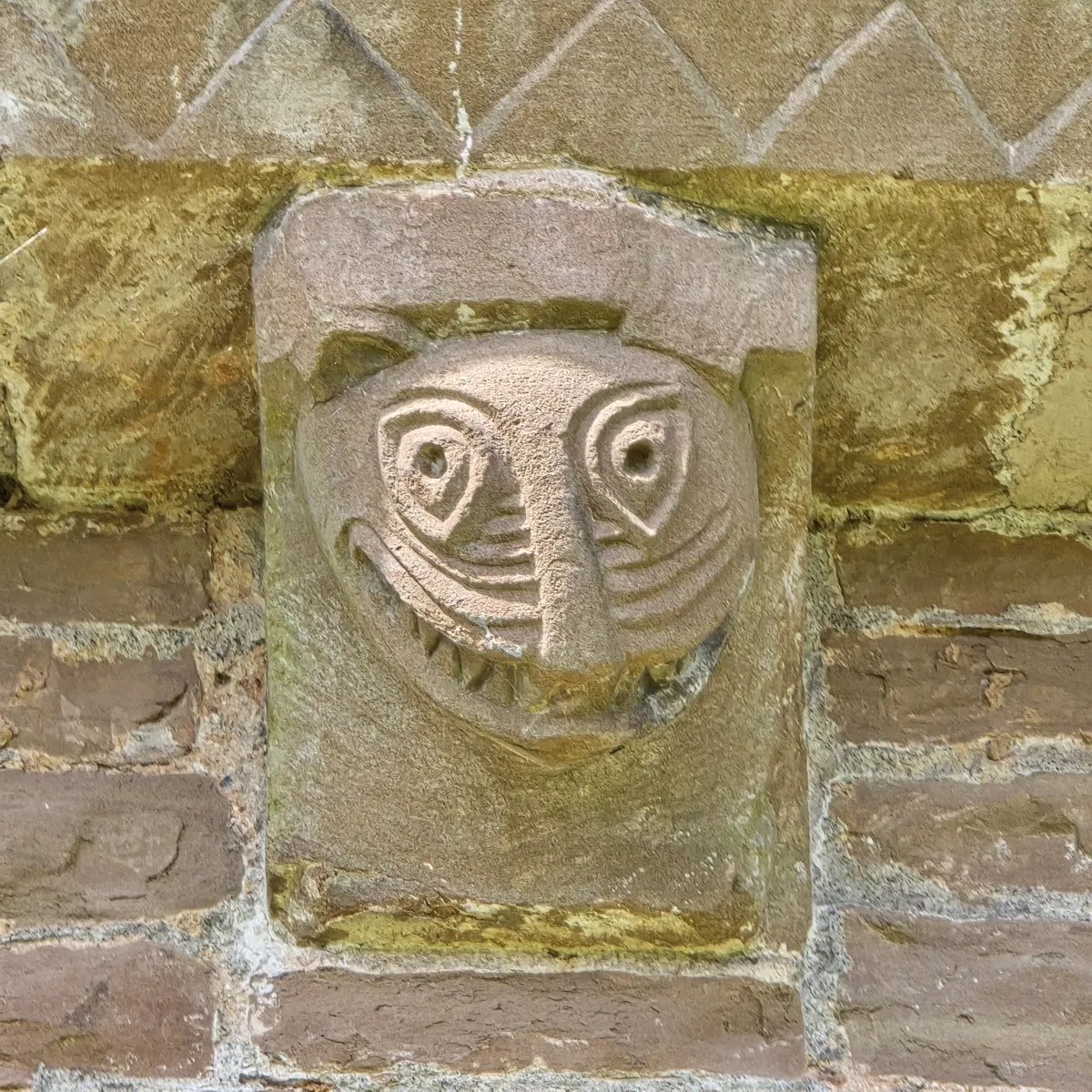 One of the more grotesque carvings.
The carvings above are amongst the corbels set around the outer edge of the church under the roof, but the Southern door also holds some amazing additions. A door looking like something out of Tolkein it can be studied for a long time, just on its own.
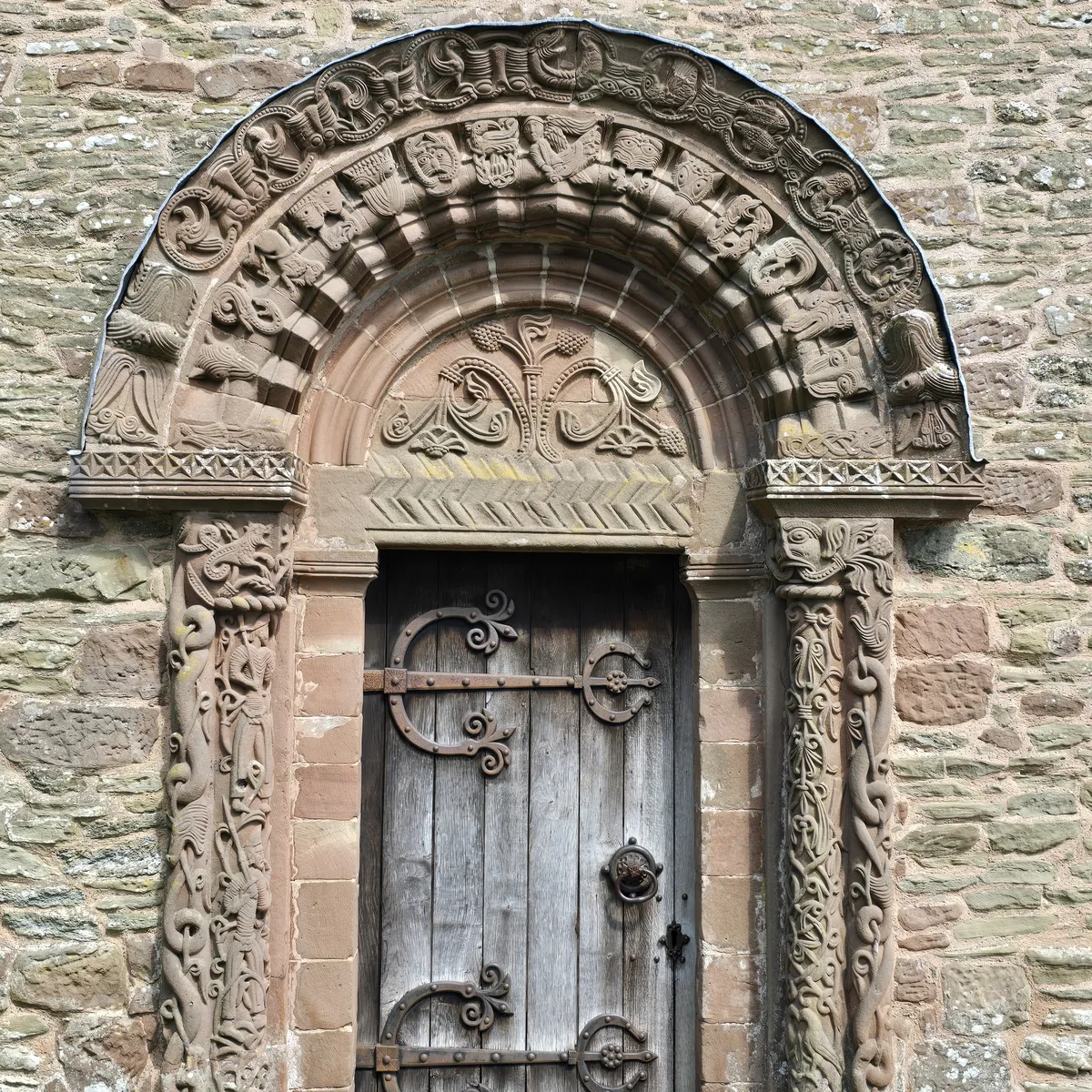
One of the things that really makes all of this work even more remarkable, is that the Hereford school of sculpters were operating during a time of civil war. A period known as 'The Anarchy' https://en.wikipedia.org/wiki/The_Anarchy in which King Stephen, a Norman duke who gained the English throne, battled with his cousin Empress Matilda of the Holy Roman Empire. In 1140 or there abouts certainly the areas of Gloucestershire and the Welsh marshes would have been contested.
It was a truly beautiful location to visit and really is one of the most interesting churches I've seen in the UK, set in the gorgeous Herefordshire countryside. Its sent me down a rabbit hole of finding out more on church stonemasonry, Mediaeval history (which is something I'm not good at) and why Sheela-na-gig. I think at some point, I'll need to go back, history books in hand to really get a greater sense of what I'm looking at and the historical context. Kilpeck is one of the better know examples, but small parish churches up and down the country all have snippets of history from the World wars, to the Knights Templar to the more prosaic history of local lives and many are worthy of exploration.