On English churches (part 2) - Garway
As mentioned in Part1 - I like a good church. I also like weird conspiracy theories and history. Where would the intersection of those things lead other than to the Poor Fellow soldiers of Christ and the Temple of Solomon, much better known as the Knights Templar.
Formed in 1119 as a Monastic order of originally 9 knights whose purpose was to protect Christian pilgrims on the road to the Holy land. Over the next 20 years their wealth and influence grew, until in 1139 Pope Innocent II issued a papal bull - Omne datum optimum (Latin for "Every perfect gift). The papal bull contained a number of things, but mostly allowed them to pay no taxes and be holden to no authority other than that of the Pope. Although in reality not p^ssing off various European rulers proved to be diplomatic at the time and a failure to avoid doing that lead to serious problems many decades later but that's not the subject of this post.
As the power, reach and wealth of the Knights Templar grew they reached England and in the later half of the 1100’s Henry II granted them various parcels of land including in the Welsh marshes now part of Herefordshire. In around 1180, they built originally a round tower the remains of which are still visible beneath the current structure which dates from the early 13th Century.
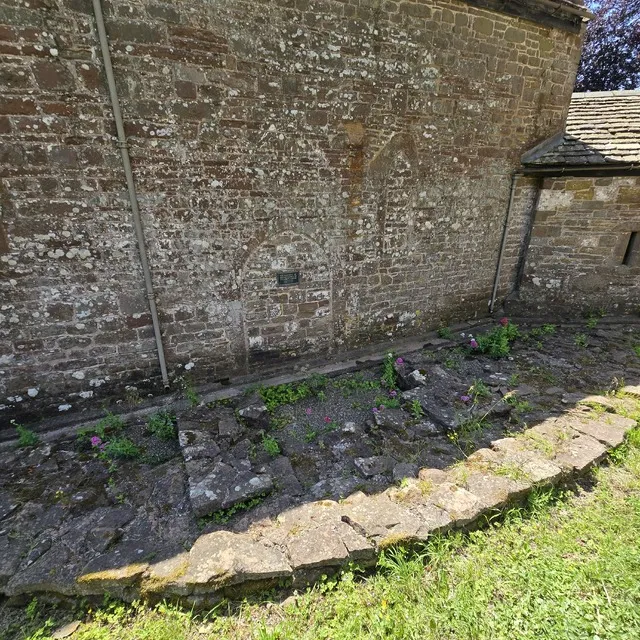
Remains/Foundations of the original round tower
The church and (square) fortified tower on the site are one of the very few truly remaining Knights Templar structures in the UK.
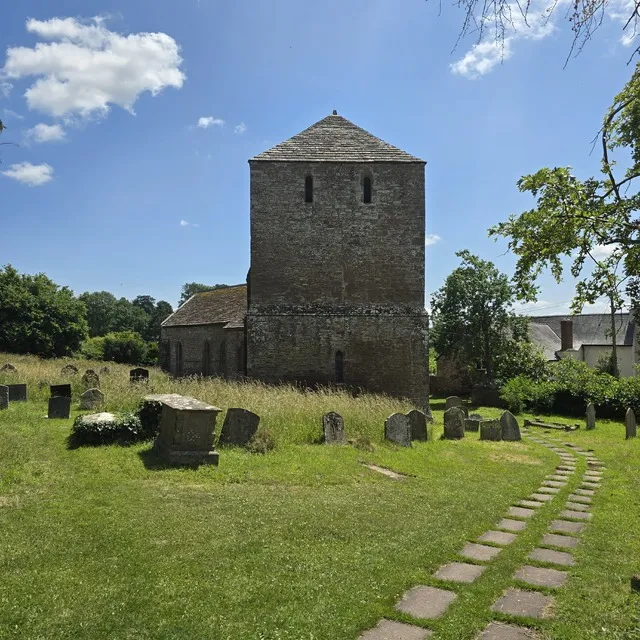
Outside of the church and the fortified tower
The inside of the church is white, plain and austere. Despite that, it was one of the most atmospheric churches I’ve ever been in (again as an atheist). The chancel is as simple as the rest of the church and contains a plain stone altar that is remarkably original to the church. This basic carved stone slab is from the early 1200s and features 5 carved out indentations representing the wounds of Christ to be filled with holy oil.
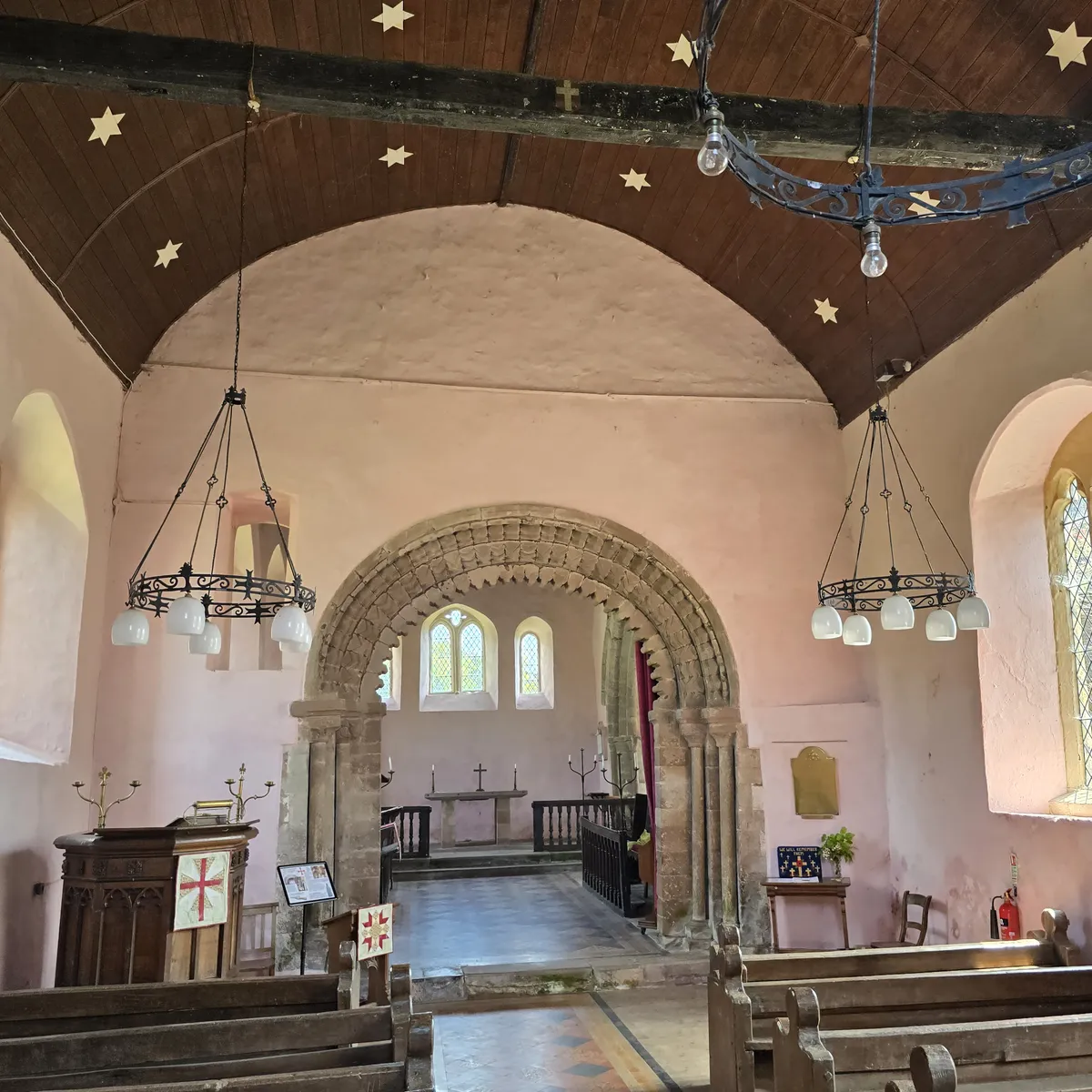
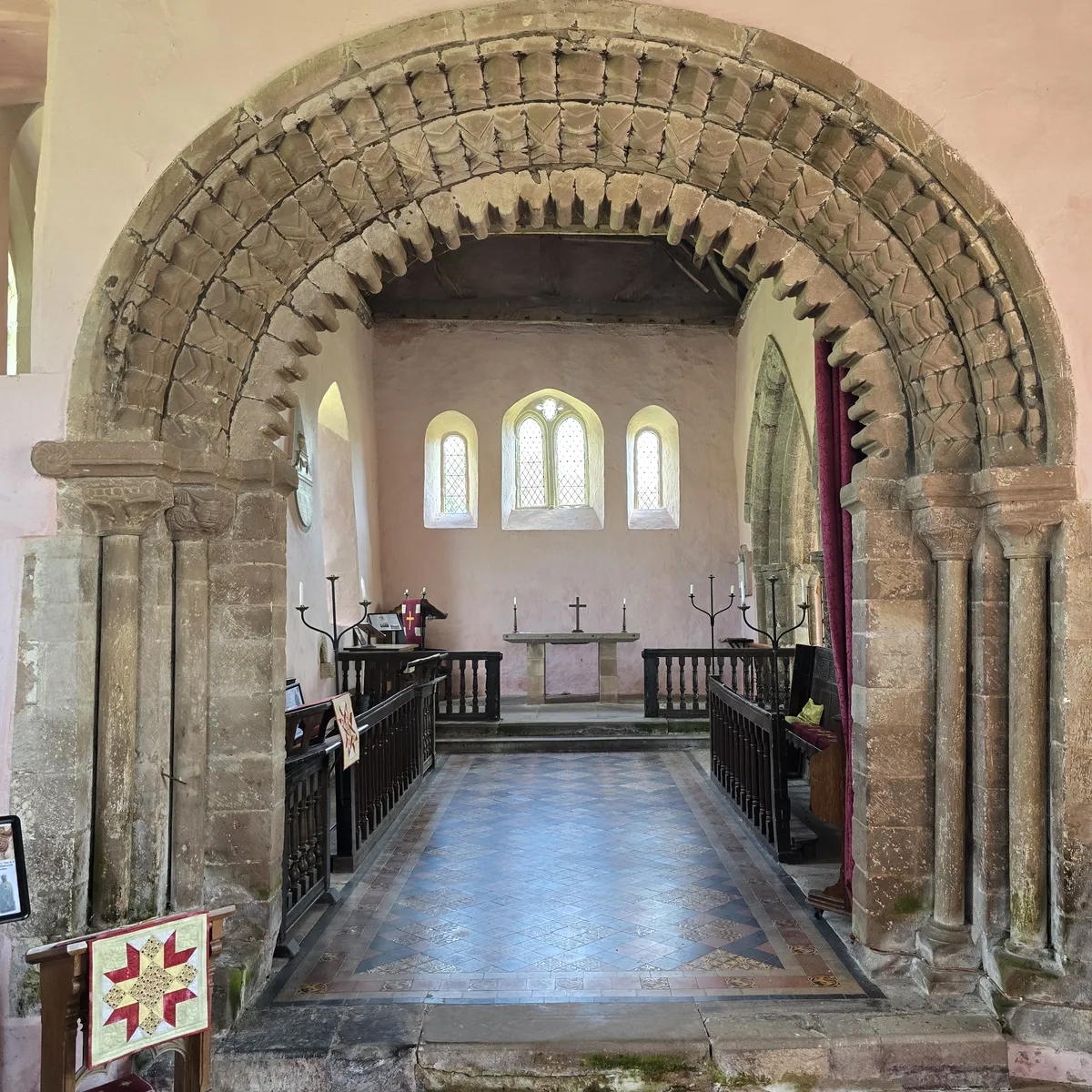
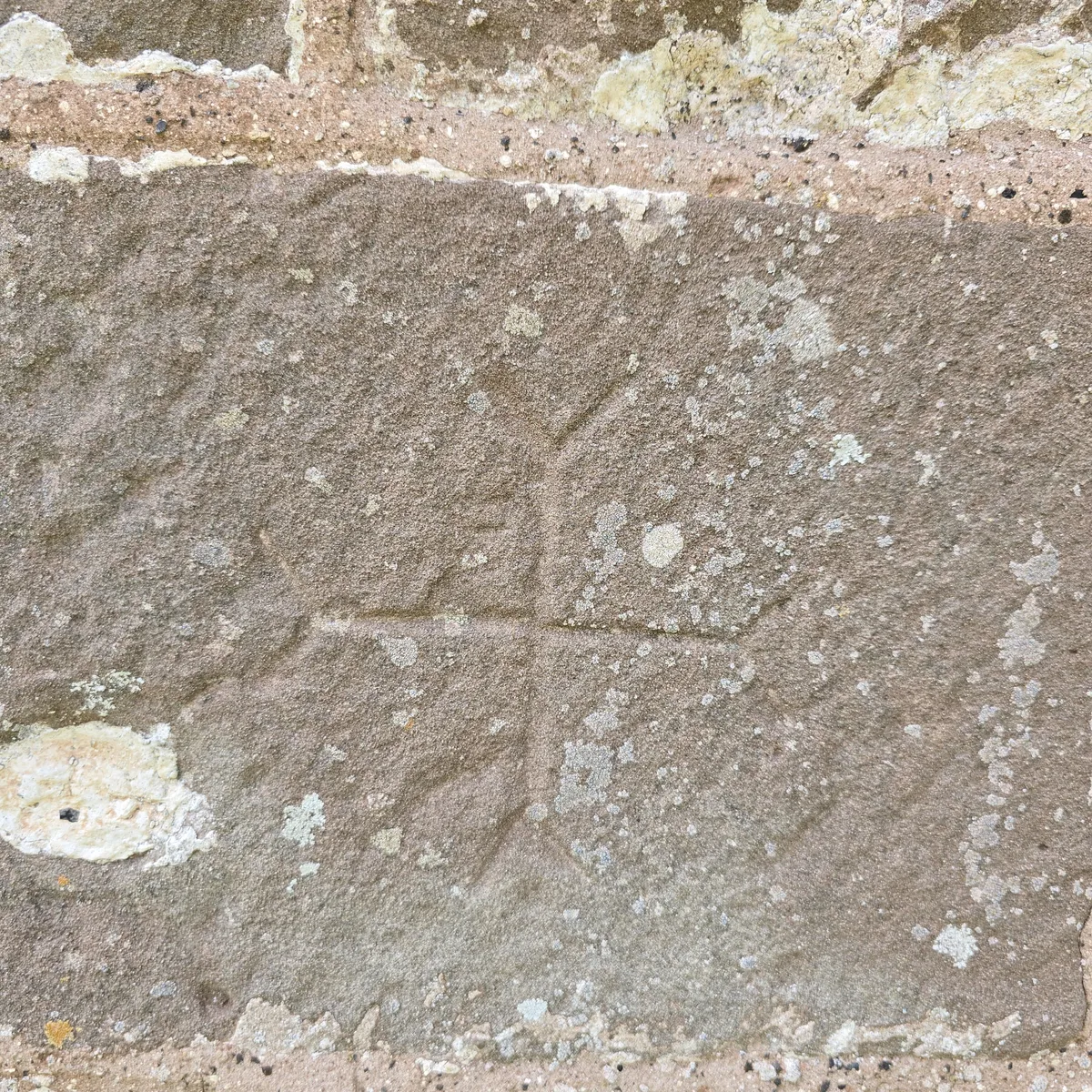
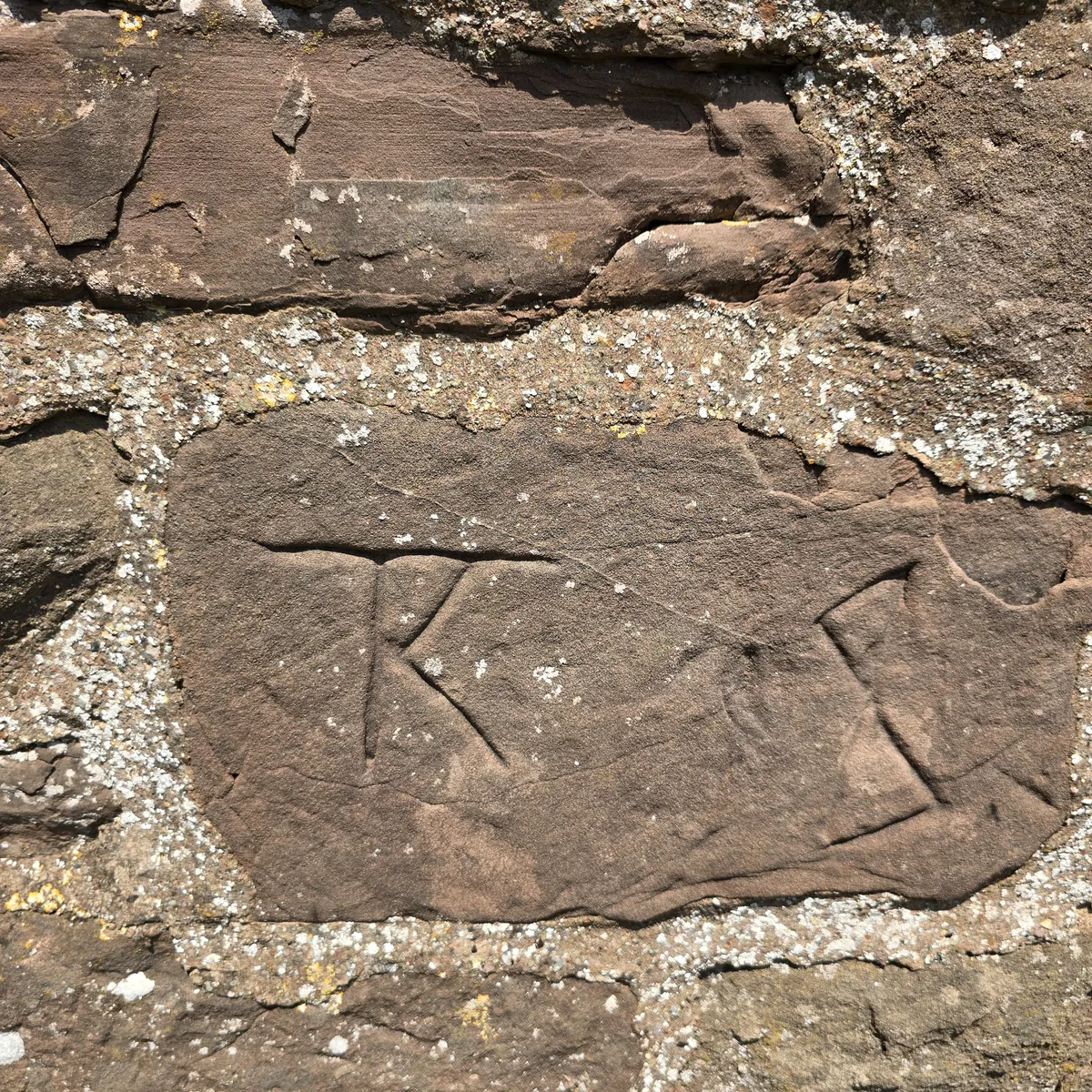
The outside of the church is almost as plain but the sharp of eye will start to see various carvings around the outer walls. Not the grotesque carvings of Kilpeck down the road, but far more weathered and smaller. A carved Angus Dei (Lamb of God), various Maltese crosses, a dragon, unknown symbols and (apparently) a swastika - which I could not find.
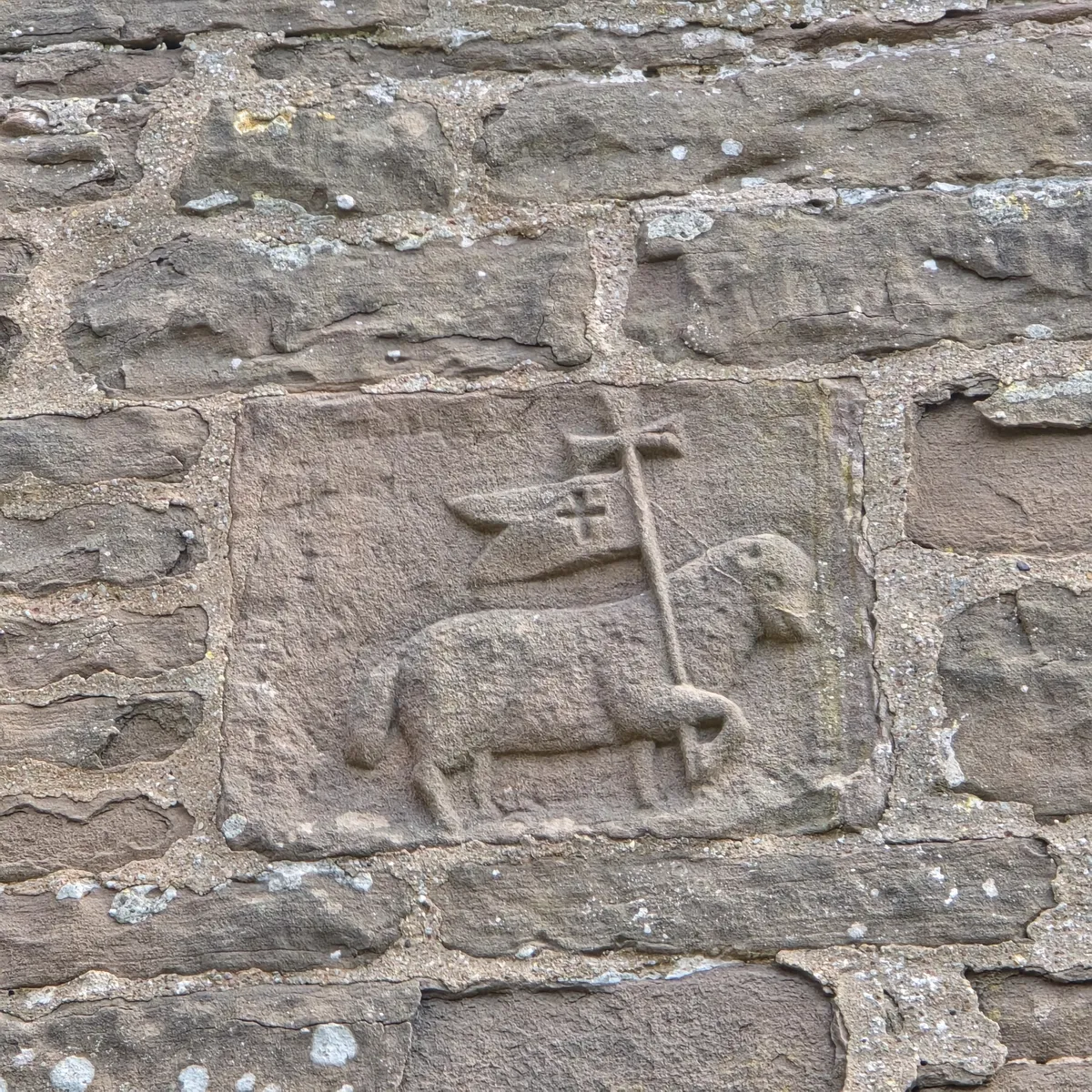
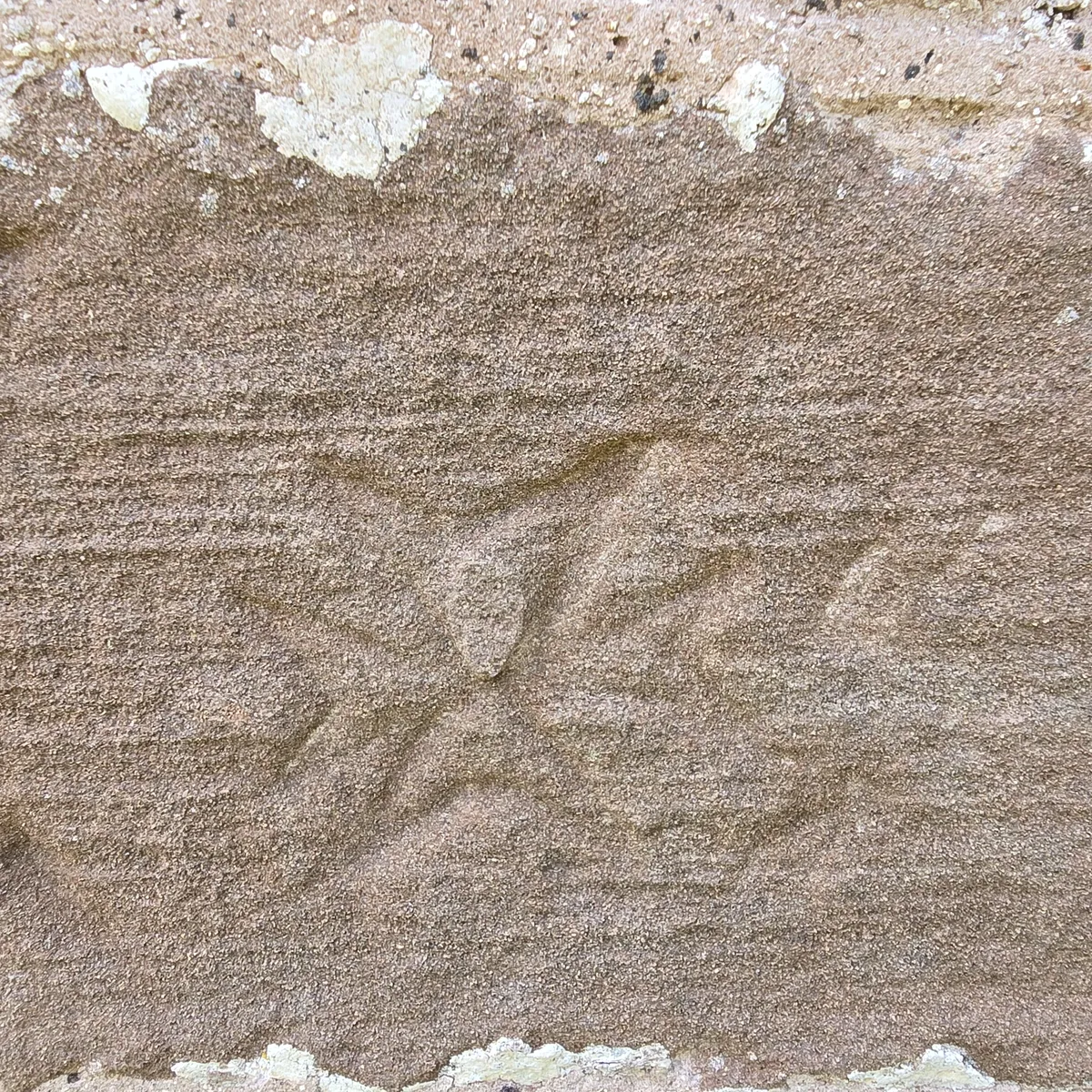
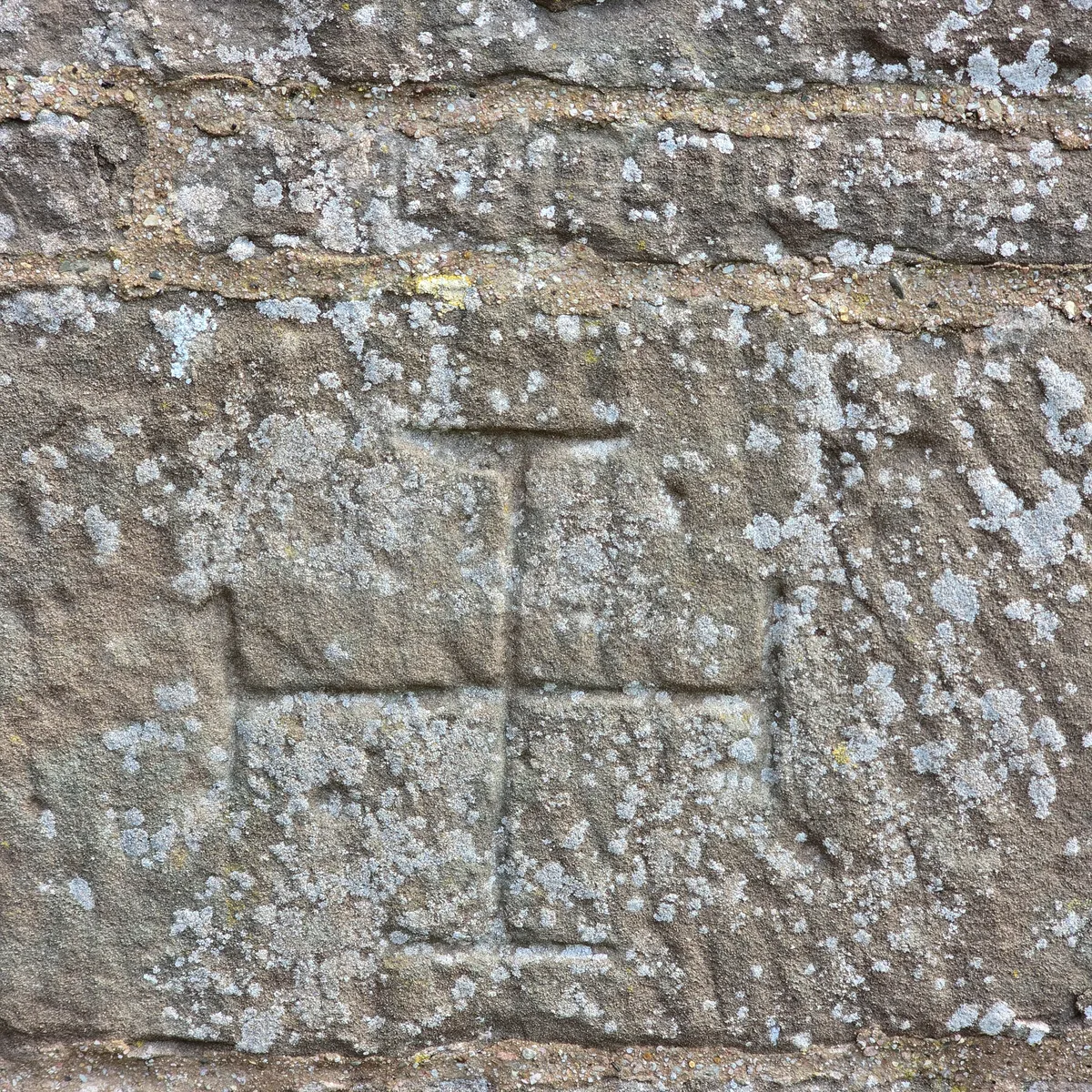
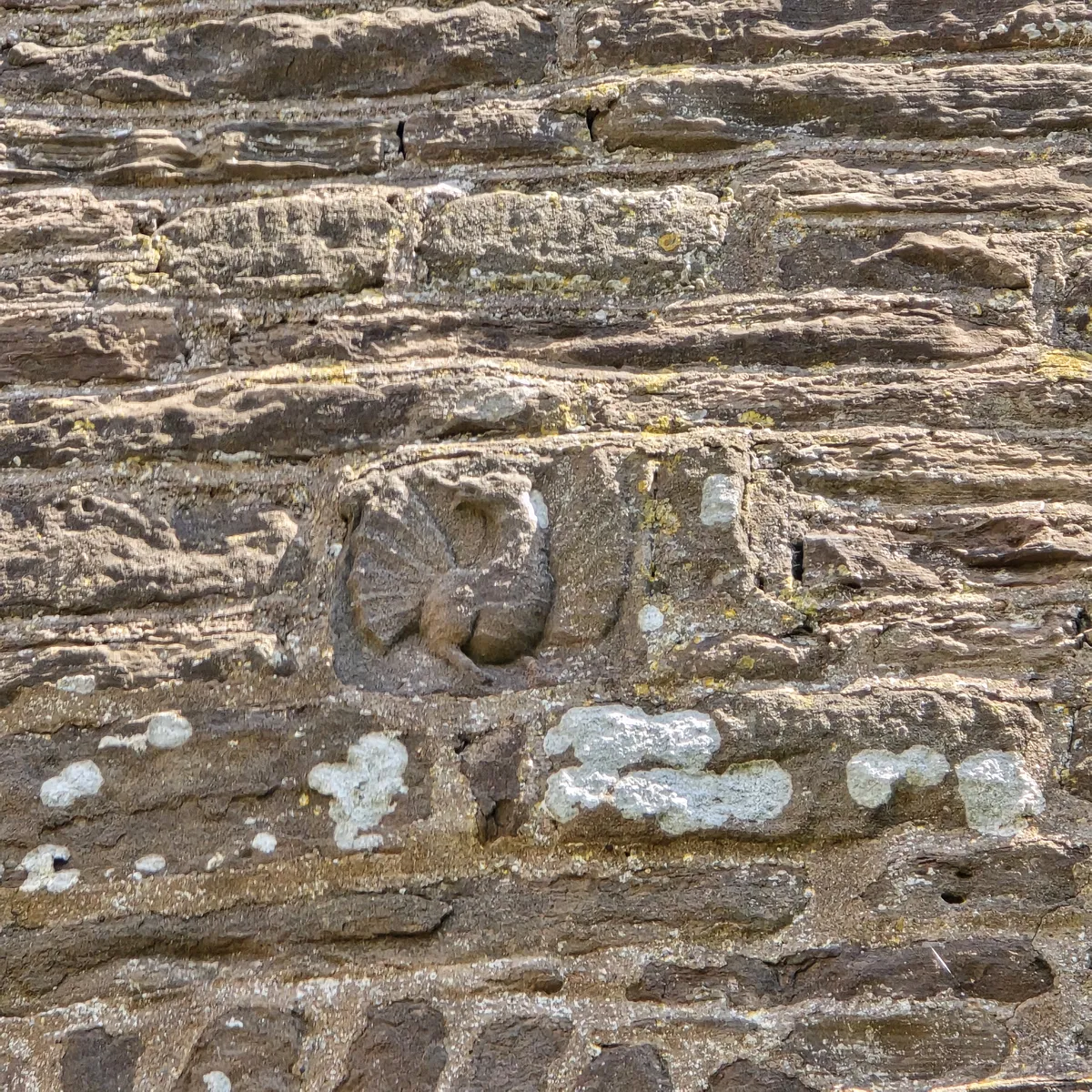
In 1307 as the Templars fortunes faded in Europe (thanks largely to them annoying the French king) the church was seized by the Crown and handed over to another Holy order of knights - that of the The Knights Hospitaller or Knights of St John. This order was formed to provide medical care to pilgrims (as the Templars had provided protection) and only later become more militarised. It was them that knocked down the older circular tower and built the existing square fortified tower that dwarfs the church building. Built of 3 stories and 22m high the tower contains a Templar chest as well as other carvings. Alas closed when I visited. This tower of thick walls and only a few slits for defence would no doubt have been built to protect the brother knights from any force wishing to do them harm.
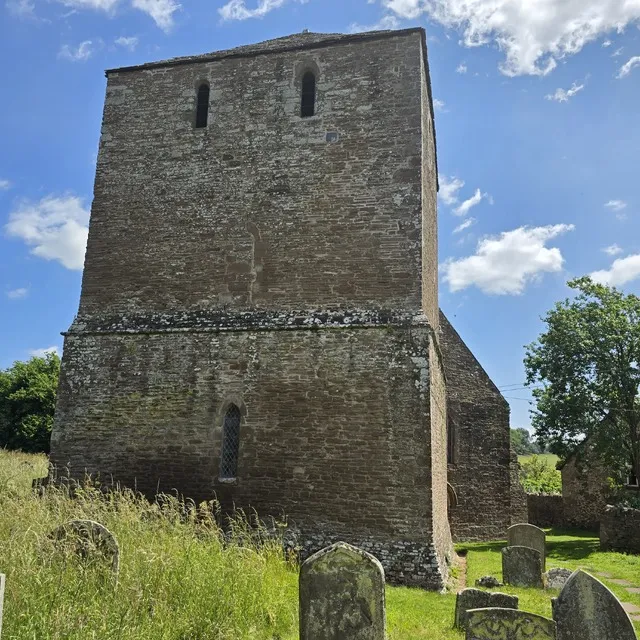
Fortified tower next to the Garway church
The place of Garway and this church are truly special, pausing here in this remote spot and knowing just a little of the history of the place was moving. Seeing the carvings on the outer walls, presumably placed there nearly 1000 years ago by knights who may have returned or been about to journey to the Holy land, gives an amazing sense of place and time. A remarkable place and just one of so many historical churches that dot the English landscape.