On English churches (part 6) - St Mary the Virgin - Welsh Newton
Something of a sequel to Part2 - Garway.
In around 1170 - The English King, Henry II granted the Knights Templar the rights to a preceptory at Garway. A preceptory being a local administrative centre both for spiritual needs as well as more earthly matters like getting rent out of farmers and producing food for the knights.
As part of that same land grant, the Templars also built some smaller chapels including the church of St Mary the Virgin sometime in the 13th century and kept control until around 1312 when their persecution in Europe meant, even in England, their holdings, including this church, passed to the brother order of the Knights Hospitaller.
Along with its association with the Templars (which lets be honest is always cool), its also associated with Mrs Yunzi (also very cool) who has a family connection and its a really quite lovely church in its own right, so we took ourselves down for a visit.
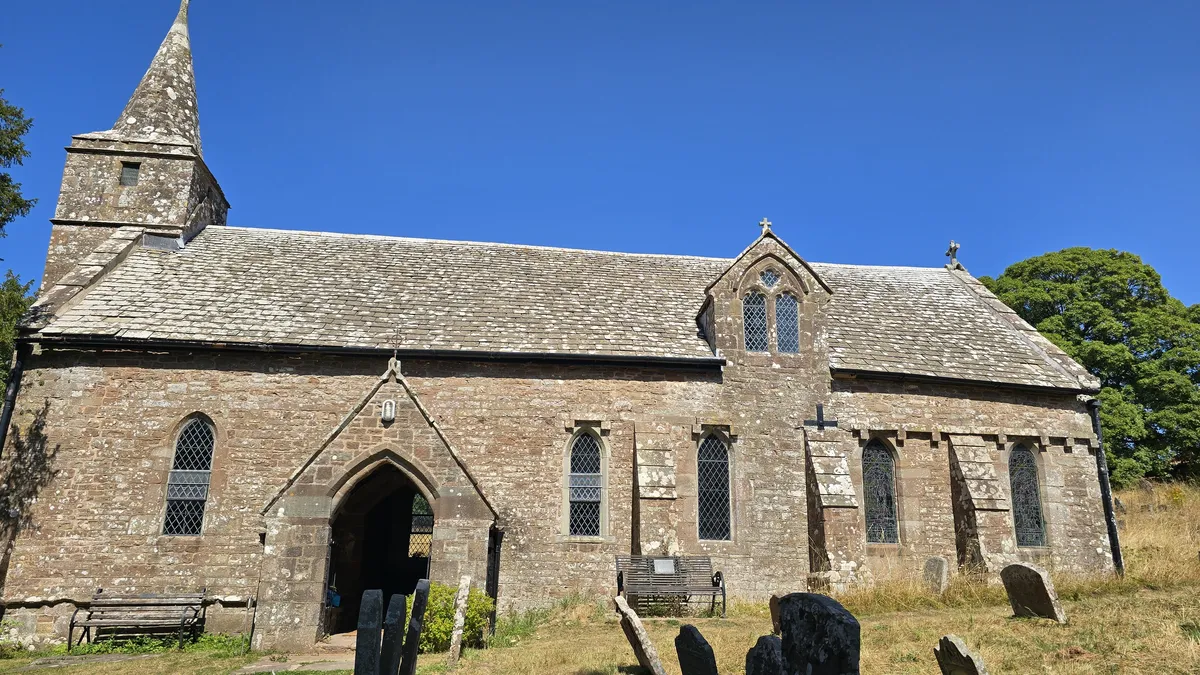
St Mary the Virgin church in Welsh Newton
The nave, chancel and tower all date from the 13th century with the porch and dormer window being added in the 14th.
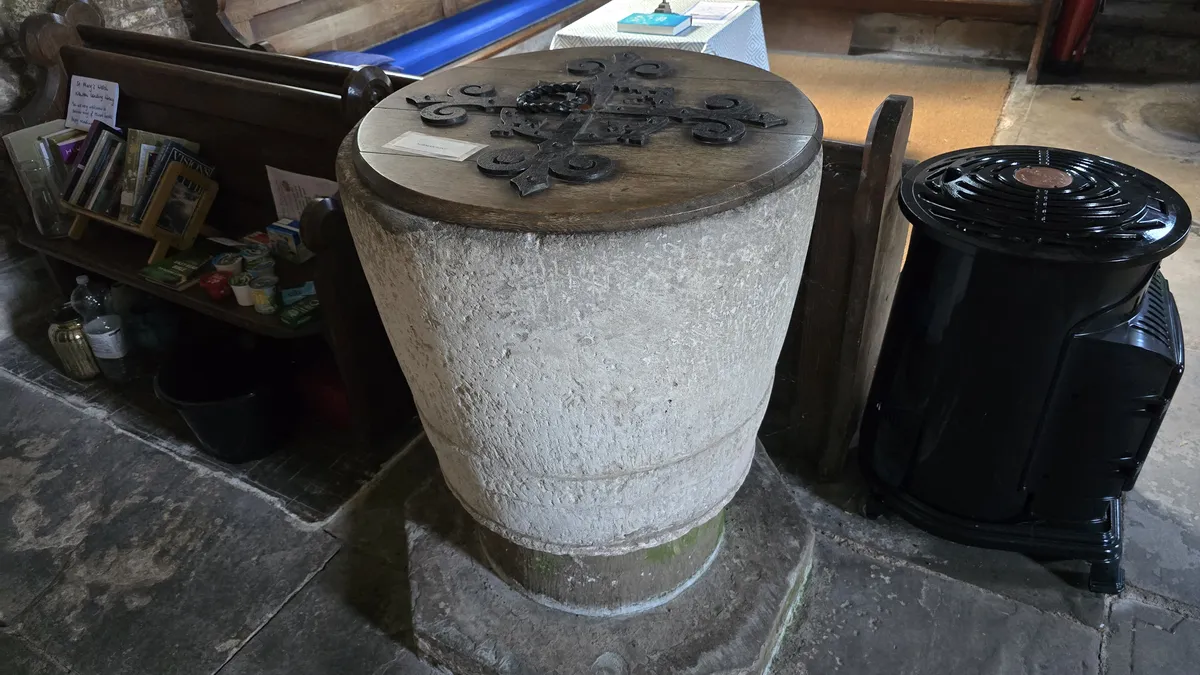
The font is Norman and thus predates the church. Still used which is pretty remarkable when you think its over 800 years old.
One of the other more 'stand out' features is the rood screen. Three stone arches, separating the nave from the chancel it would originally have been completed with wood with perhaps a gallery above. The arches themselves are decorated with ball flowers, which is typical of the period. There are very few stone rood screens from this period (1320ish) still remaining.
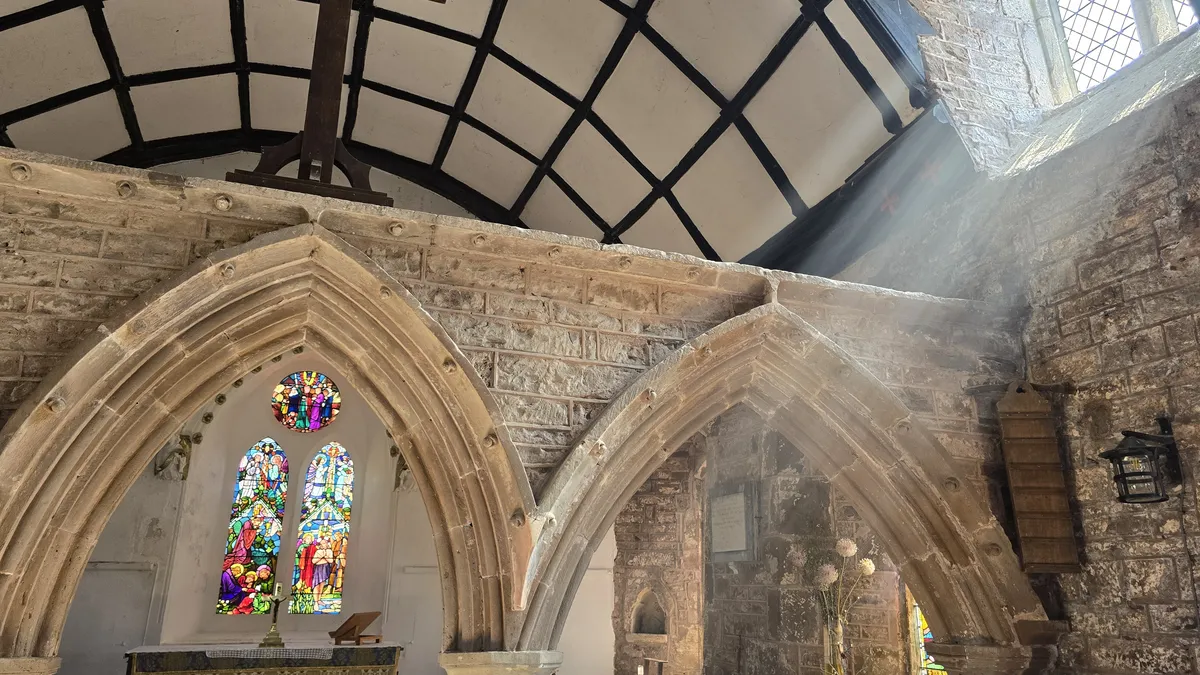
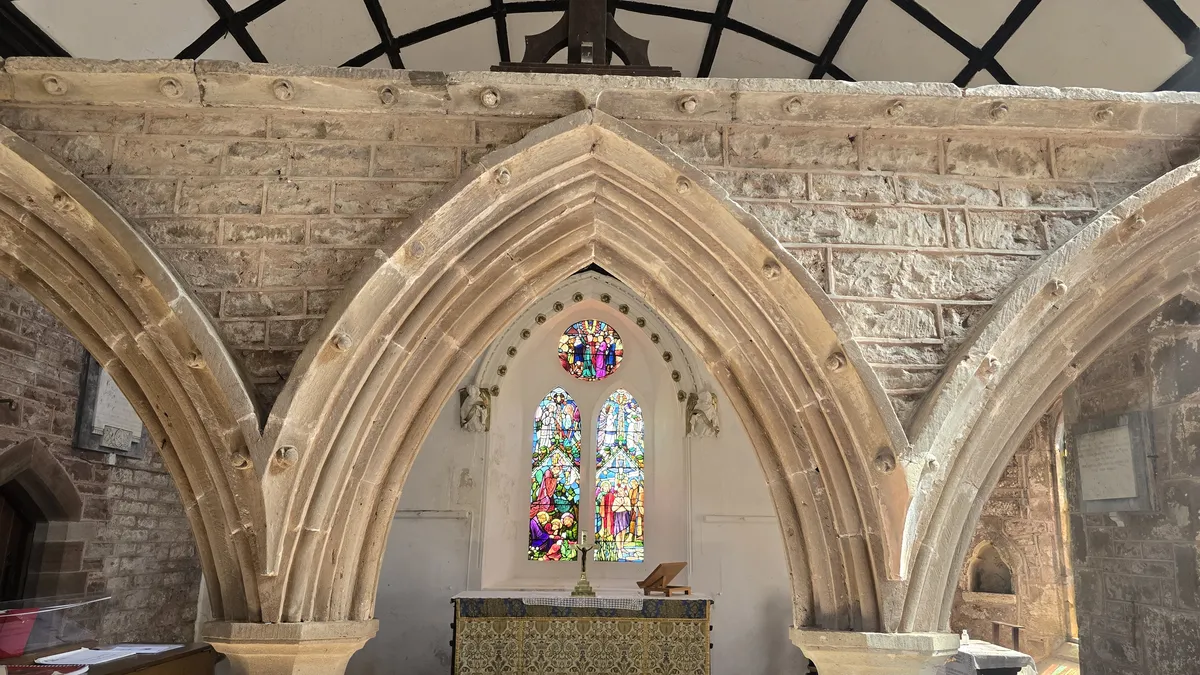 Looking into the chancel through the rood screen
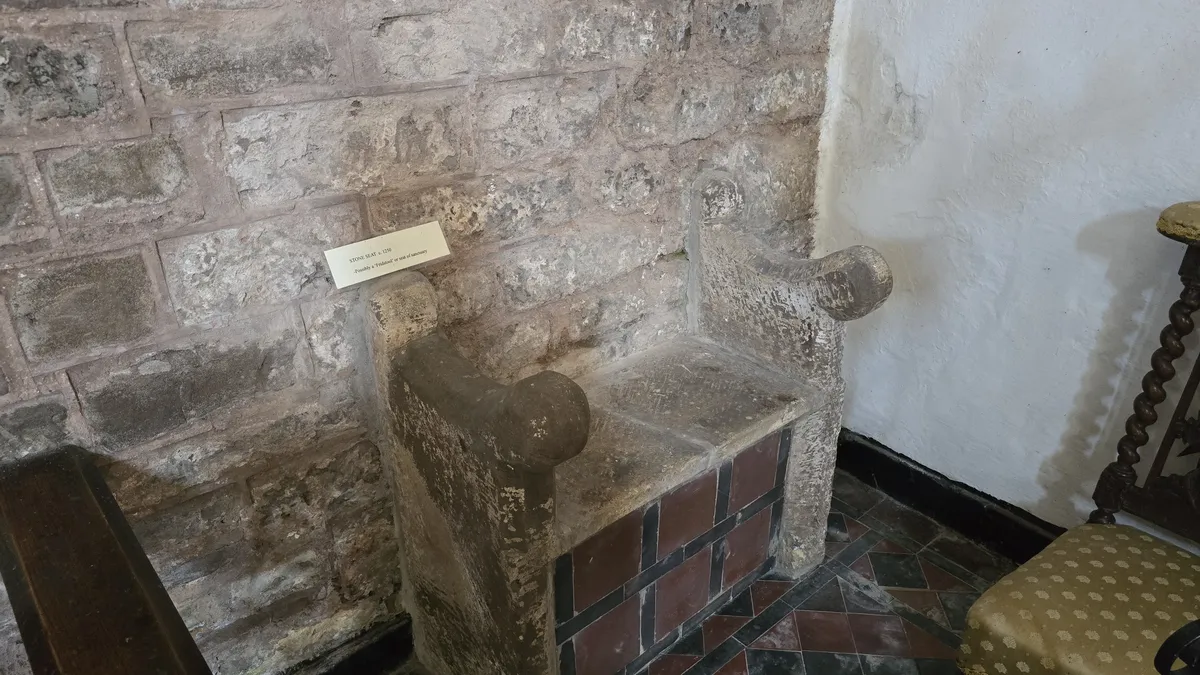
Inside the chancel is a stone seat, quite possibly a 'frithstool' from around 1200 (the tiling is modern). This seat was to provide a refuge under the concept of 'frith' in which a criminal fleeing for his life (angry farmers, pitchforks, that sort of thing) would be granted sanctuary in the church if he (or she I suppose) reached the chair.
Looking back around the church, high up decorative features speak of its Templar connection and the black and white ceiling dates from the 16th century although apparently some is still original.
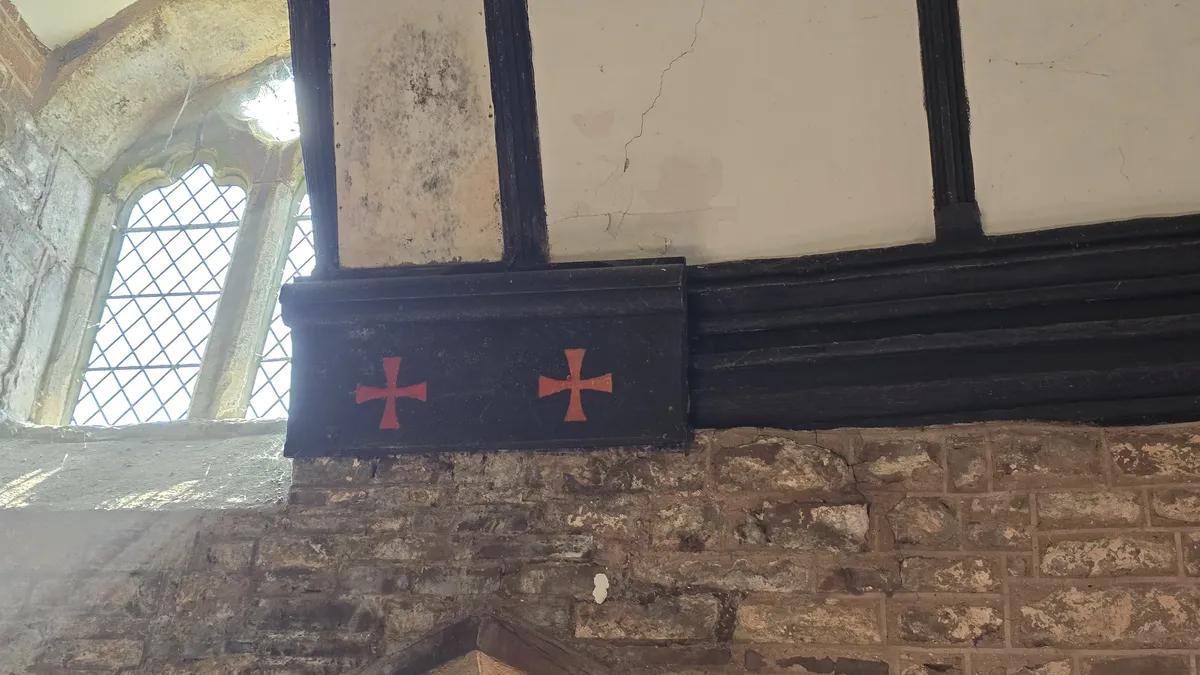 Some of several Templar motifs on the walls
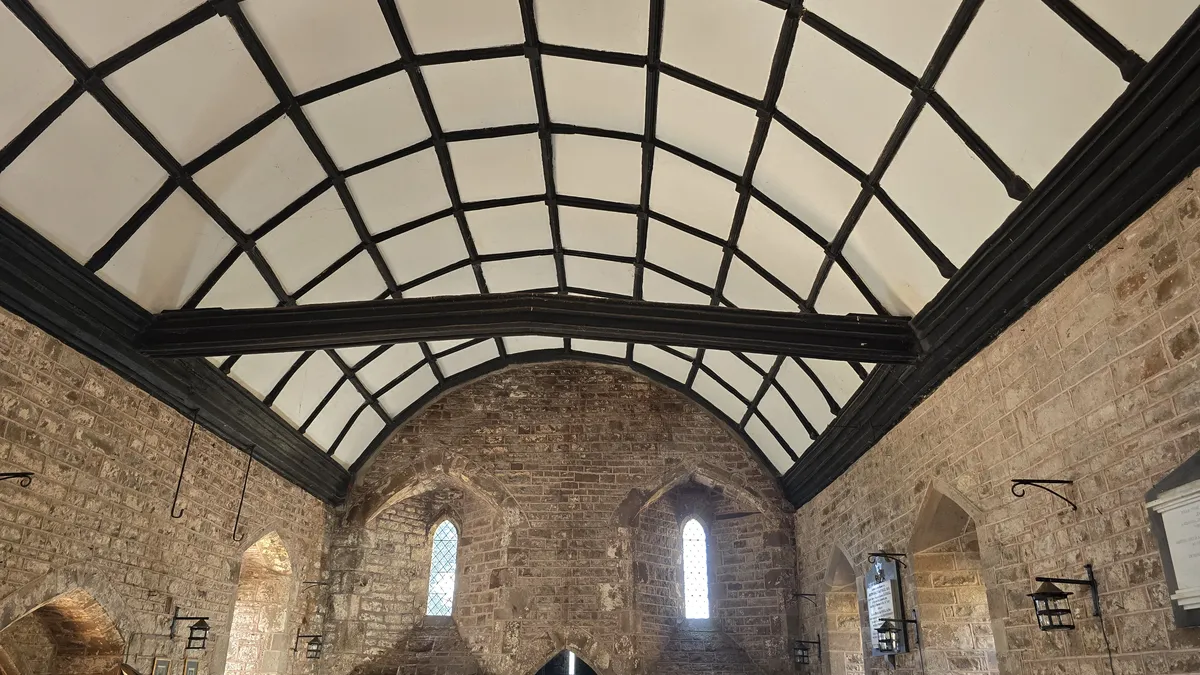 Ceiling
Whilst not quite as spectacular as Garway, and some mystique being lost with the gentleman hoovering when we visited, this was a really lovely church with all the fascination of the Templar connection but plenty to see even if you haven’t read too much Dan Brown and listened to too many conspiracy podcasts.
Away from the Templars, the churchyard has the grave of the Roman Catholic martyr St John Kemble. He was hanged on 22nd August 1679 and an annual pilgrimage takes place from Monmouth to the church on the closest Sunday... which would have been the day we visited. Although we didn’t know this at the time or see any pilgrims struggling up the road to pay tribure. I hope any such wonderers who did arrive, appreciated this church as much as we did as an absolutely lovely 12th century church surrounded by Herefordshire countryside.
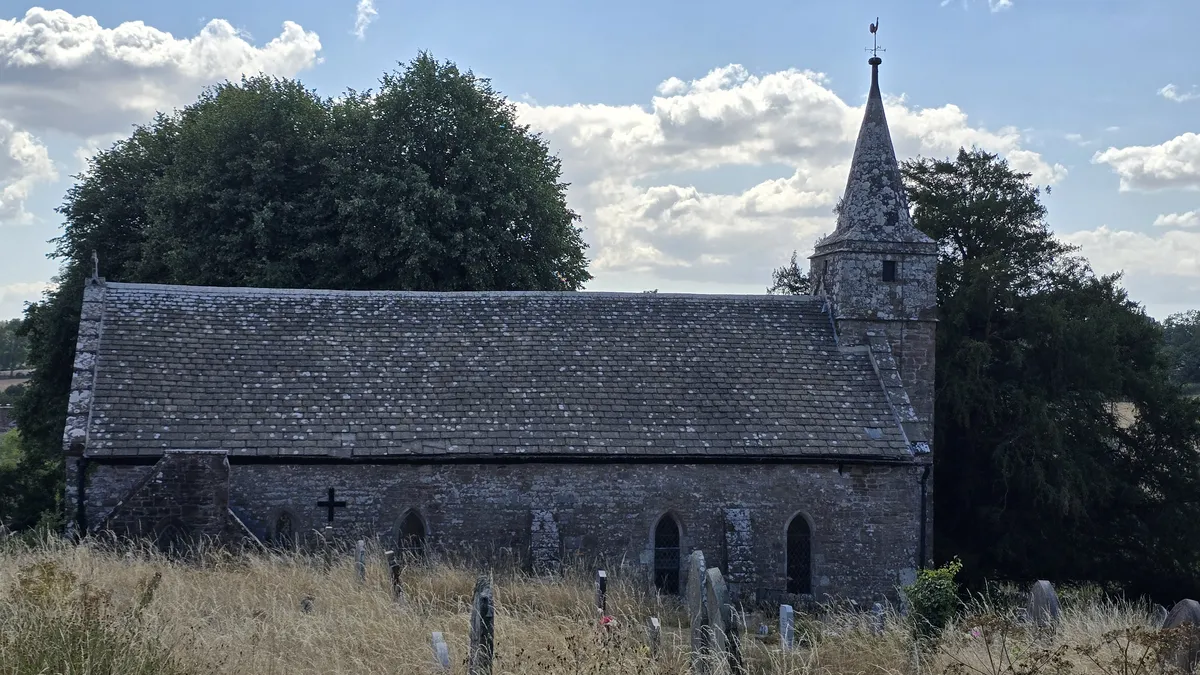 Finally looking down on the church from the North.