Yet more on Worcestershire's forgotten WW2 history
My first blog outlined in brief the various ‘stop lines’ created on the orders of General Ironside in 1940 based on the assumption of German invasion (later shown as Operation Sea Lion). Had the invading forces been able to move away from the coast and continue inland, they’d have been met with resistance from the famous Home Guard units, secret auxiliaries and a hostile population. All this combined with the logistics of navigating small country lanes with removed road signs or choosing the major roads which were defended. As the forces would have been aiming for the industrial heartland of the West Midlands, the Black Country1 and Birmingham foundries and factories in addition to the GHQ line there were smaller regional stop lines created around natural features on the landscape as well as existing man made features like canals. These lines were designed to slow the advance into the area producing hardware for defence.
In Worcestershire, these lines focused on the rivers Severn, Avon and Teme. The so called Teme stop line stretched from the rivers confluence with the Severn around Powick up and to the west to Ludlow. In order to slow the invading forces, the Home Guard and other localised forces were provided with Spigot Mortars, wire road blocks attached to anchor points in rock sidings, machine gun posts and defensive Pillboxes to allow forces a last ditch attempt to repel invaders. Working with natural features like the River Teme meant that centres of defence focused on bridges and major roads which could be blocked with anti tank cylinders, tank chicanes and other road blocks.
The earlier blog involved finding a number (yet to be determined) of anti tank cylinders, still left beside an A road 85 years later and this site merits a further visit to gather further information. These blocks are left presumably where they were provided, never to be used.
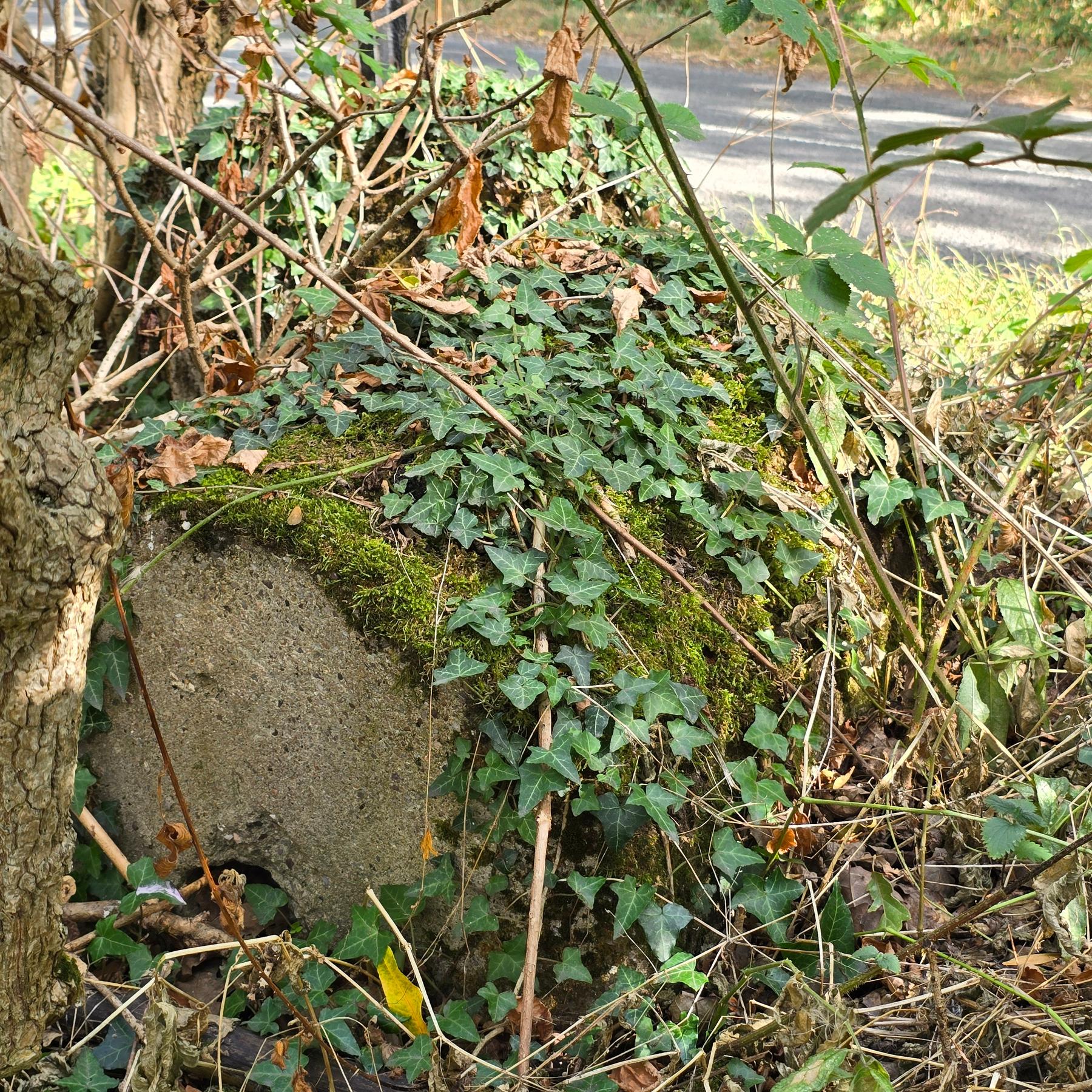
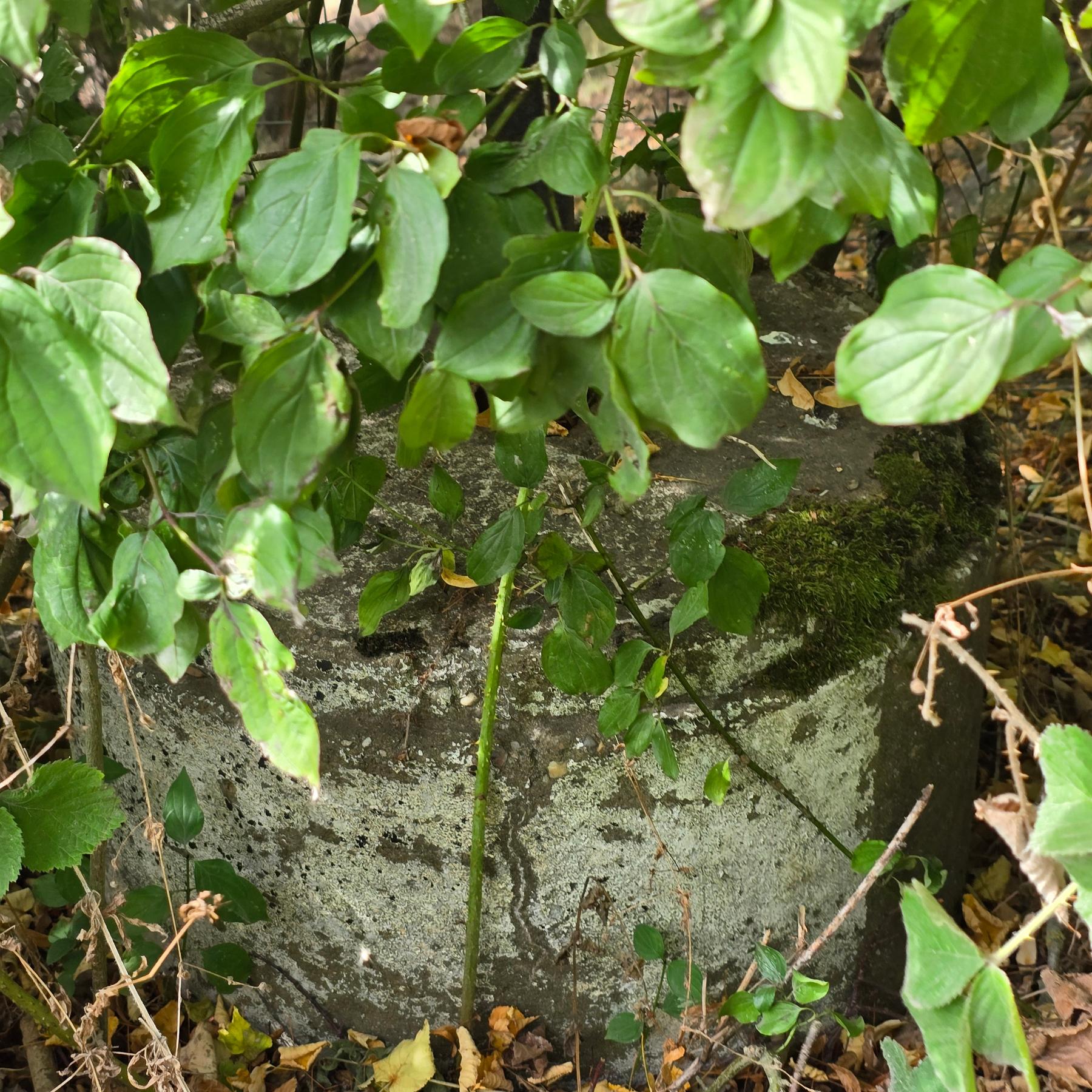
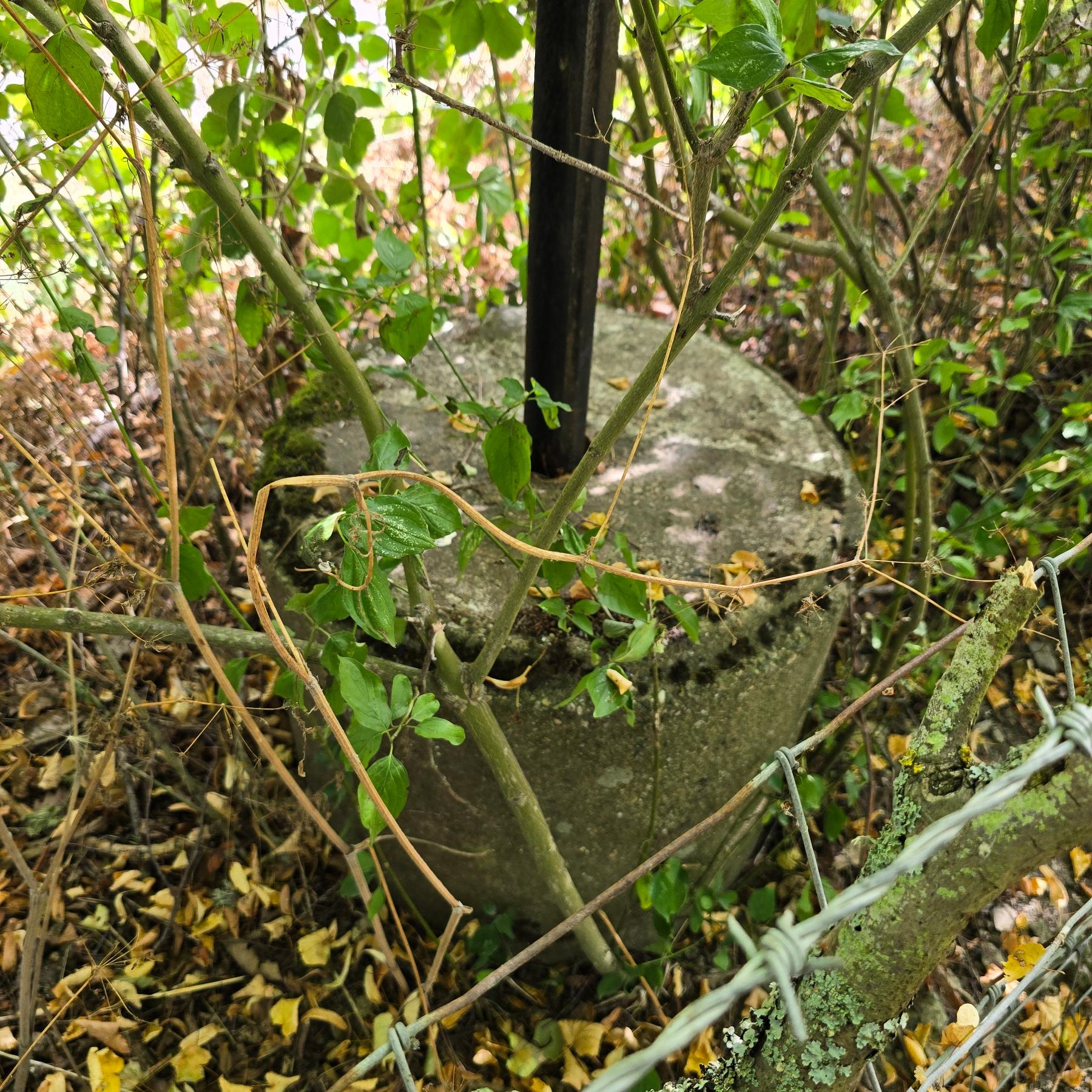 Anti Tank Cylinders, Teme stop line
Also on the Teme line is one remaining Pillbox, one of thousands built across the country. These Pillboxes (the term is believed to date from a military colloquialism in WW1 and refers to the shape) were small concrete, brick and metal fortifications with small openings through which defenders could fire.
Stanford Bridge today is a small village, a large pub/hotel and a 1970s era road bridge crossing the river Teme. Next to the road bridge is a now restored concrete and cast iron bridge from the early 1900s that now only carries pedestrians and cyclists.
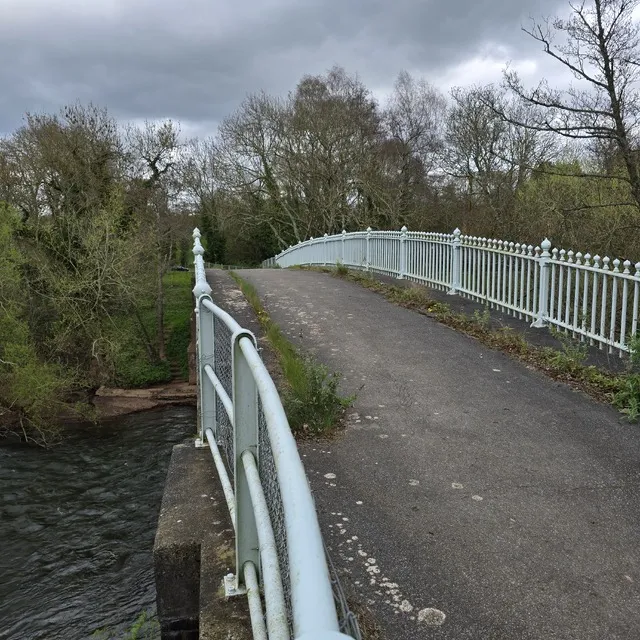
The old bridge at Stanford Bridge
It's a lovely part of the County where the hills of ‘The Shelsleys’ (Shelsley Walsh hill climb is the oldest motorsports venue in the world) give way to the river, rich farmland and dingle woods. The Stanford Bridge Hotel is still in operation, but in 1940 it was also the HQ of the Number 11 Platoon, Home Guard. C company, 11th Worcestershire Battalion. These men would have been responsible for the defence of the bridge and nearby weir. Of the provided defences, now only the single pill box remains, built into the abutment of the old bridge on the Northern side.
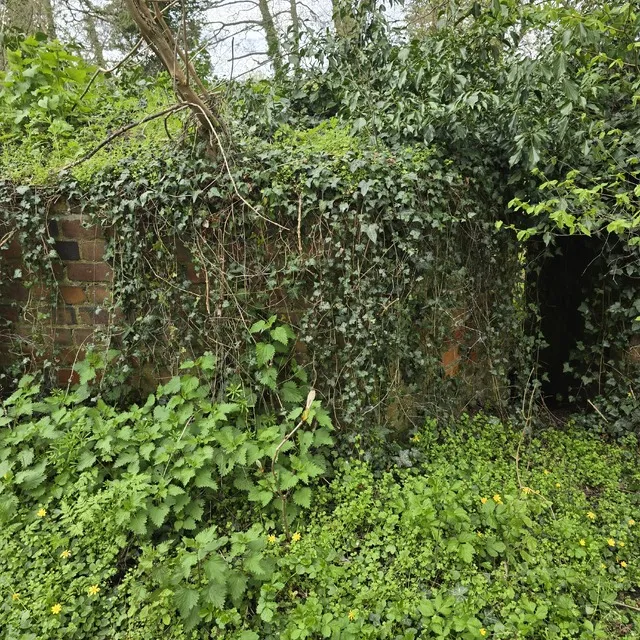
The Stanford Bridge Pillbox In the Defence of Britain records from the late 1990s, the condition of the Pillbox is described as good, but now over 25 years later its overgrown, the entry way behind the blast wall is bricked up and a quick mobile phone photo through one of the openings shows it filled with litter and dead vegetation.
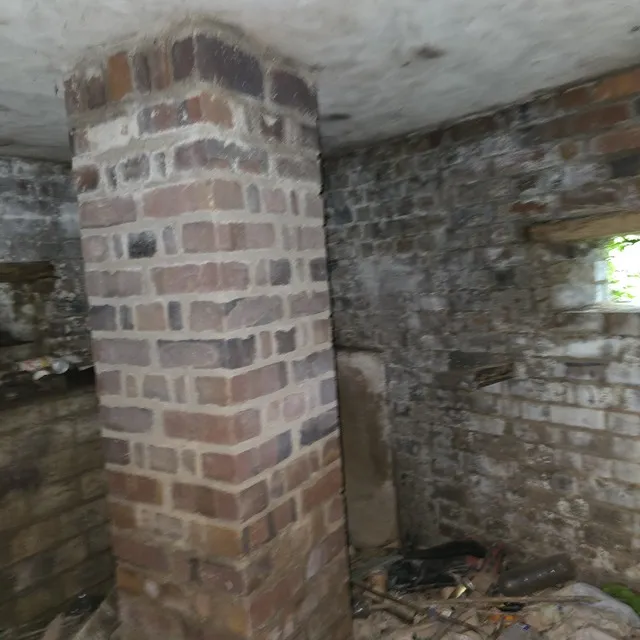
The Inside of the Pillbox, showing the roof support column
The Pillbox is a type 22 variant2 and I’ve included a diagram from the book ‘Defence of Worcestershire and the southern approaches to Birmingham in World War II’ by Mick Wilks and I hope he’ll forgive me. From my fairly terrible photos you can see the internal roof support pillar and loop holes (openings for weapons) on the outside. As mentioned above, there is a blast wall still standing that would cover the doorway which is now bricked up.
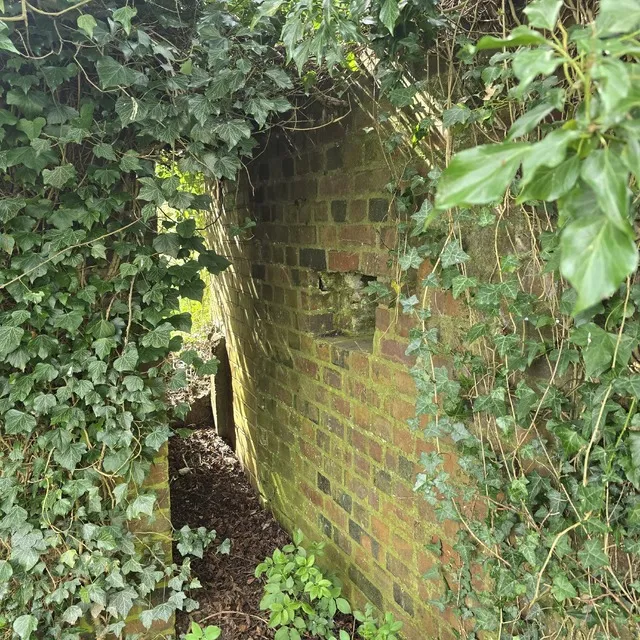
The blast wall covered in ivy and the bricked up doorway
In any case, this was a nice find on a short Saturday out walking over the Easter weekend. It still fascinates me that these remains of defences never used still dot the landscape 85 years later and I’ll keep trying to find what remains and document it here.
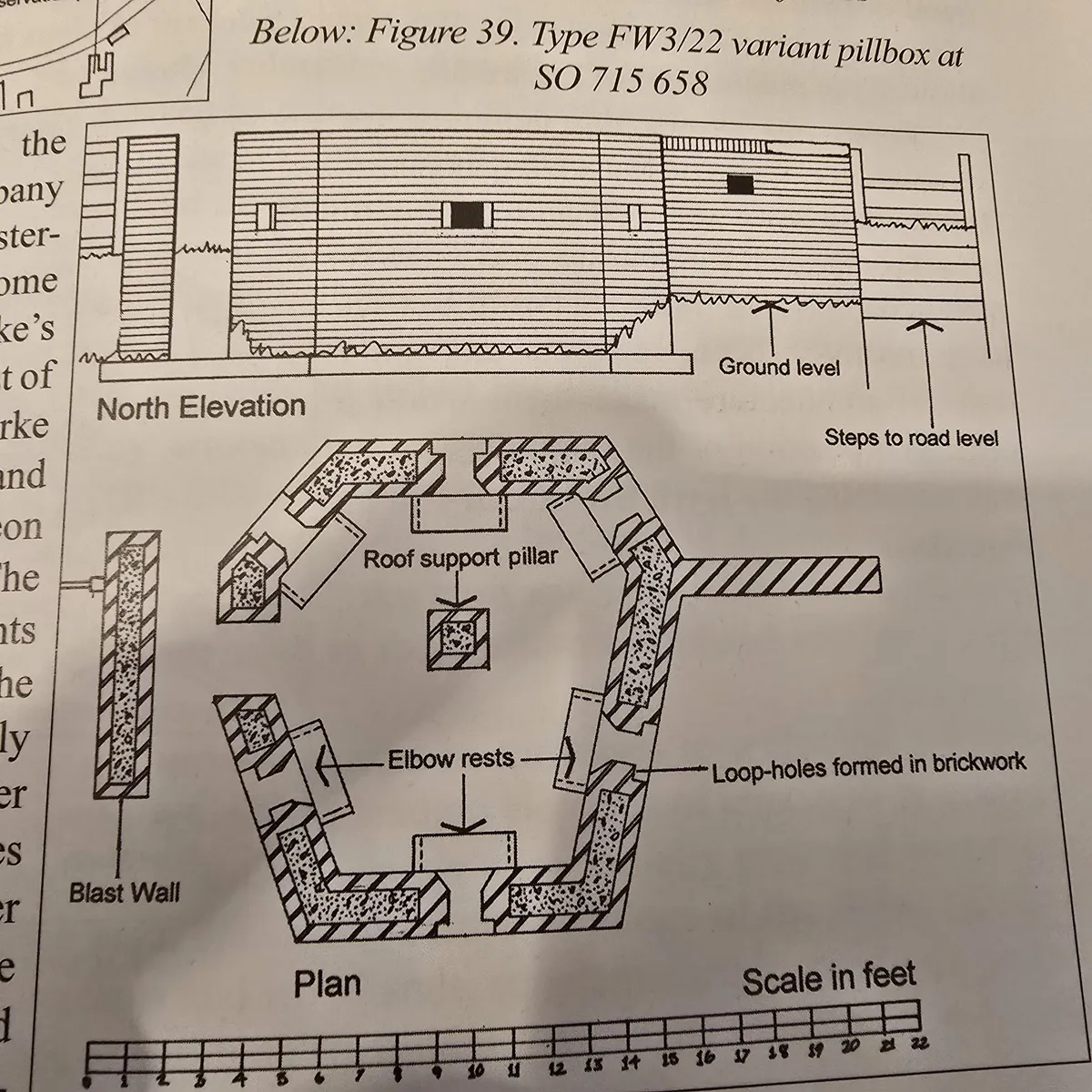
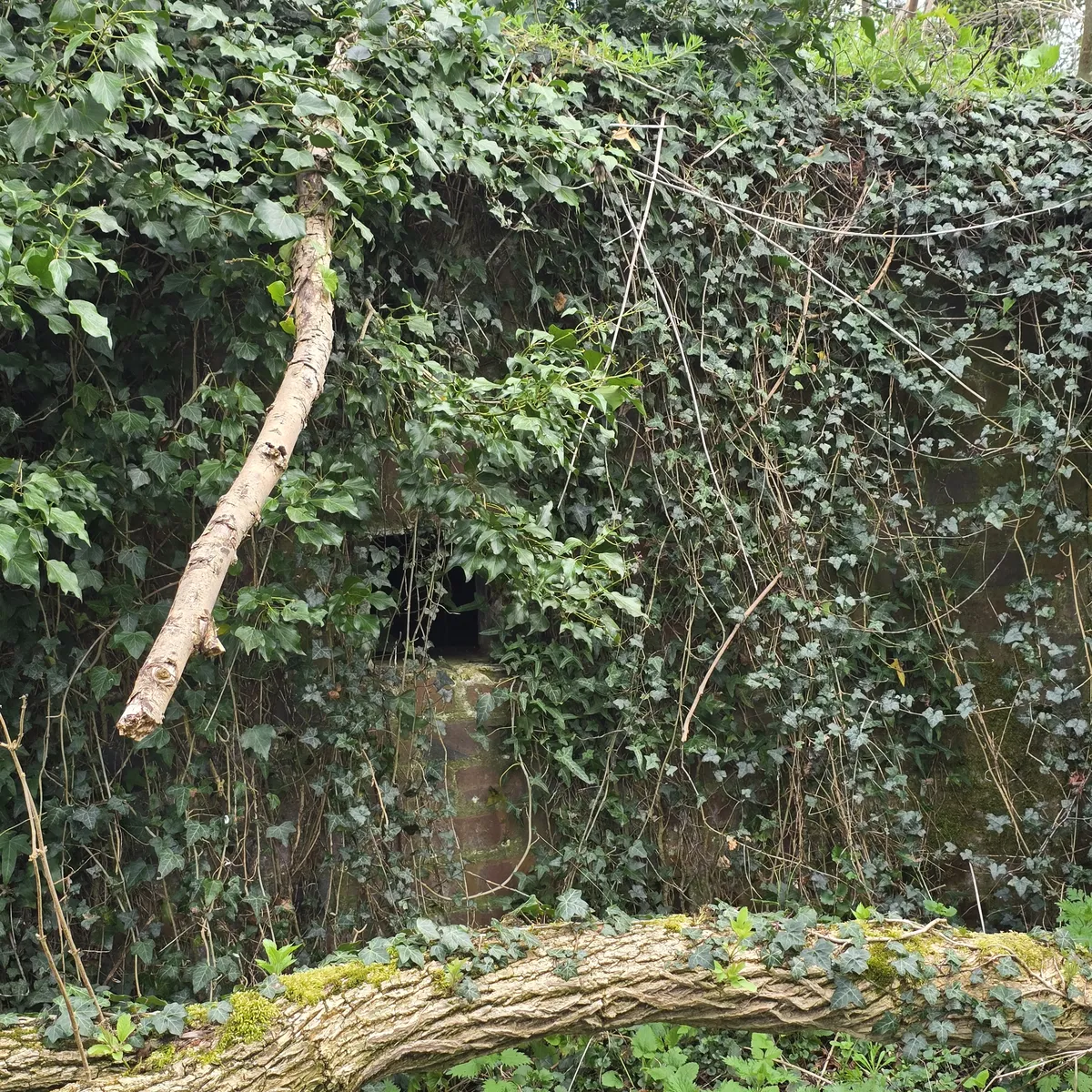
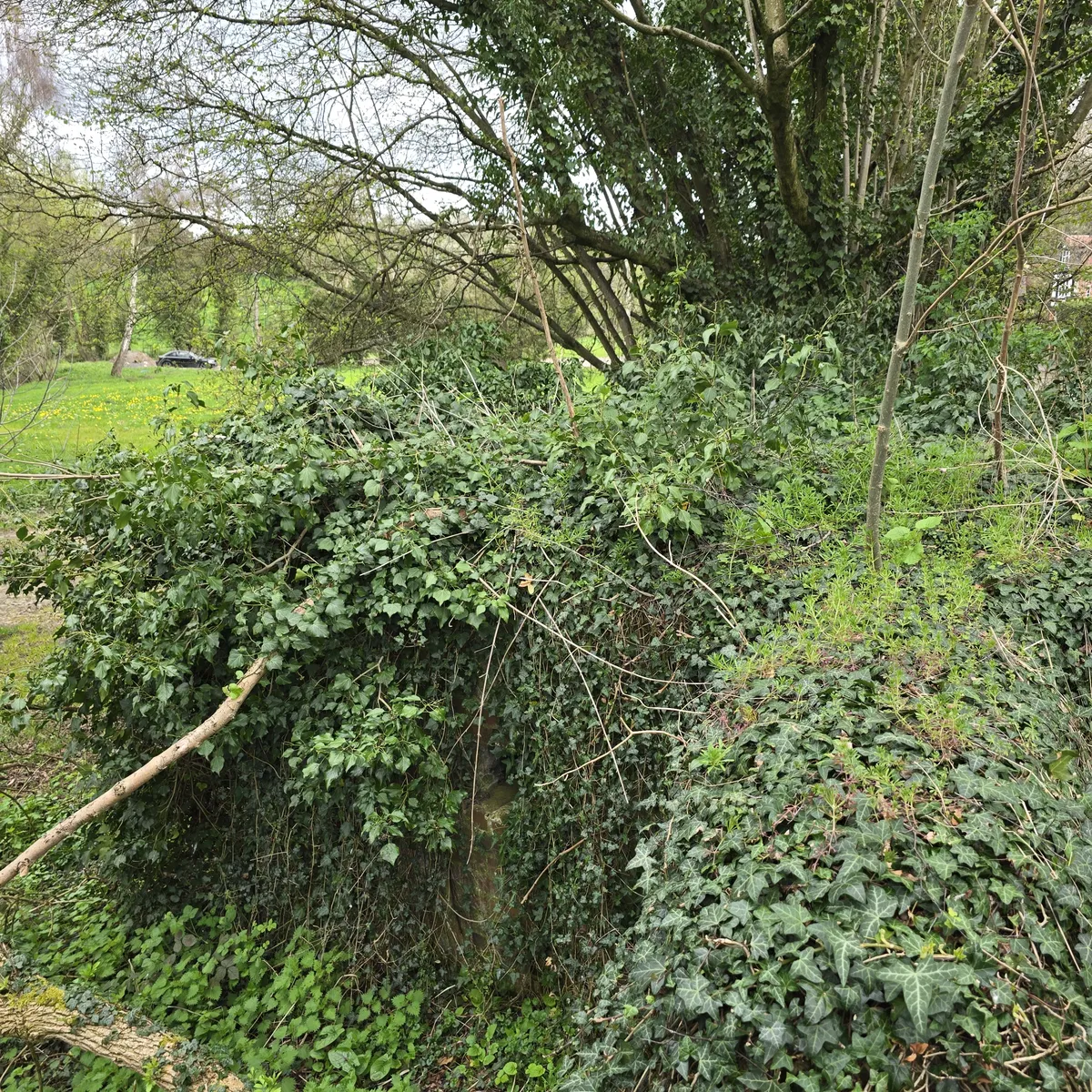
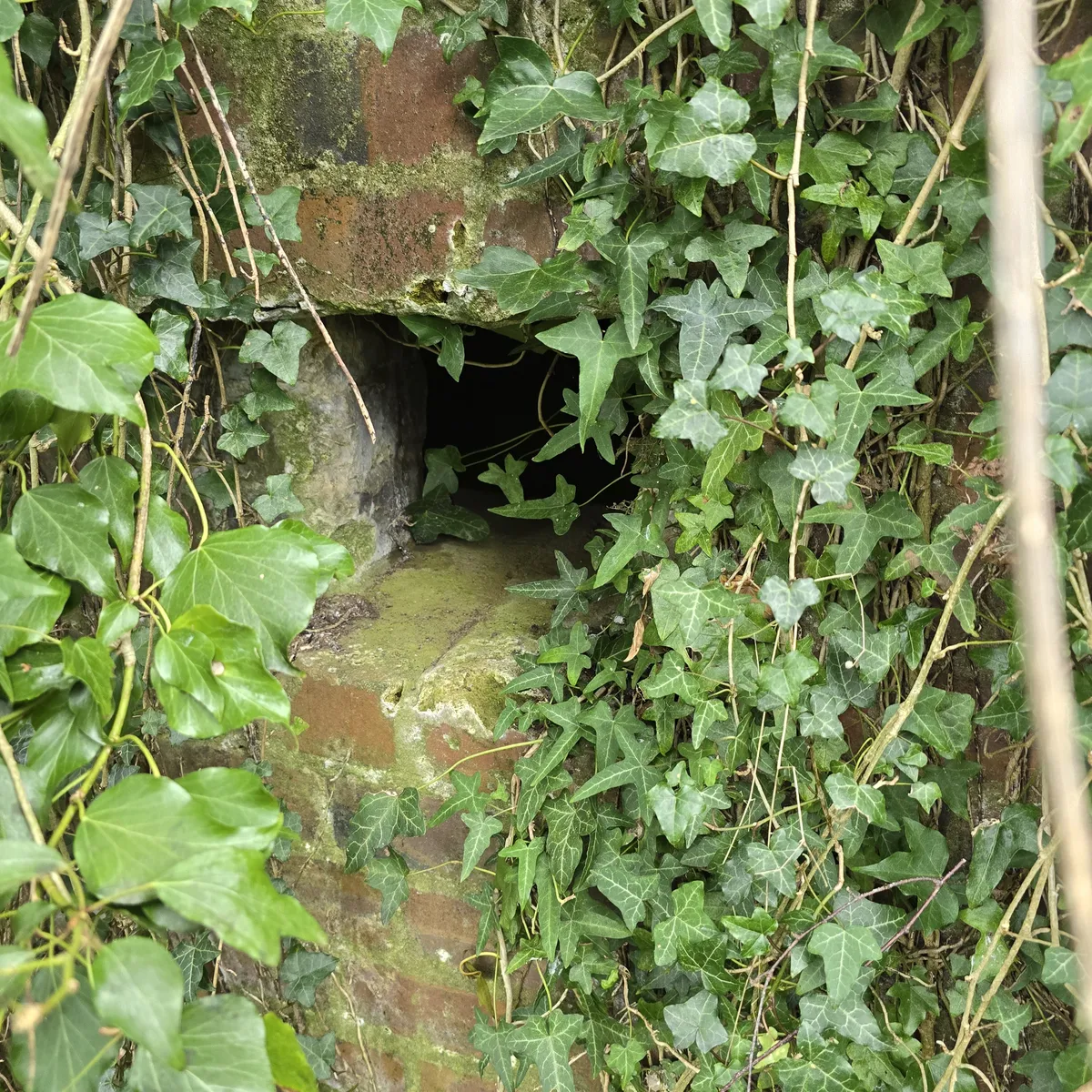
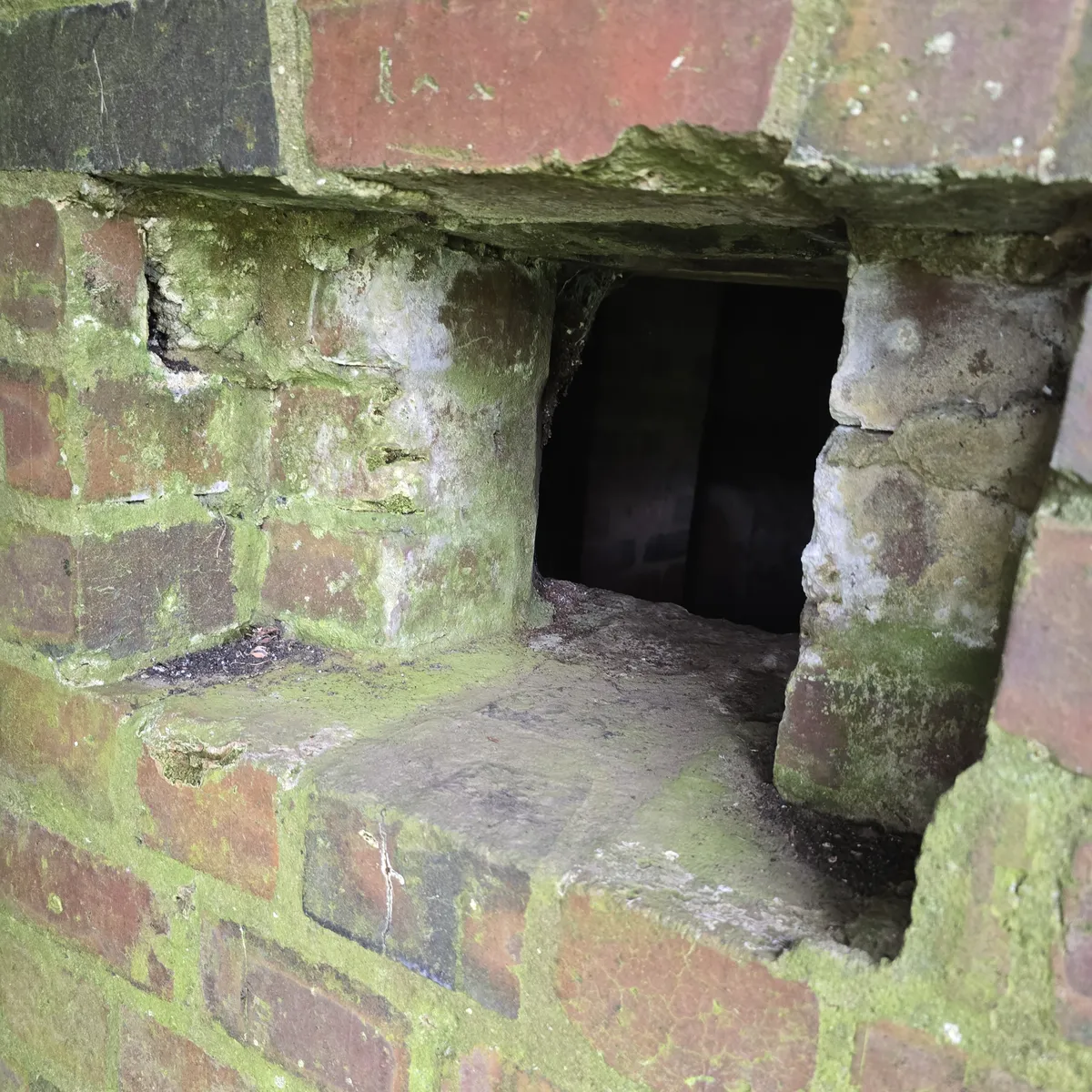
Diagram and assorted pictures of what remains
Regular note for Americans and other people who need an IQ test before using the internet - The Black Country refers to an industrial area of the West Midlands county, so named due to its coal, industrial heritage and historically smoke. Its where the author grew up.↩
http://www.pillbox-study-group.org.uk/type-22-2/↩