On English churches (part 3) - St Bartholomew’s
In the earlier blog about the actual castle at Richards Castle, I looked briefly at the history of the castle ruins, but this also is tied to a rather nice church just in front. St Bartholomew’s, Richard’s Castle is no longer a working parish church, but is still consecrated ground and now run by the Churches Conservation Trust (to whom I really should become a member). The church was originally established by Richard Fitz Scrob or his son just outside the castle’s outer bailey and so dates from 1100 and something most likely.
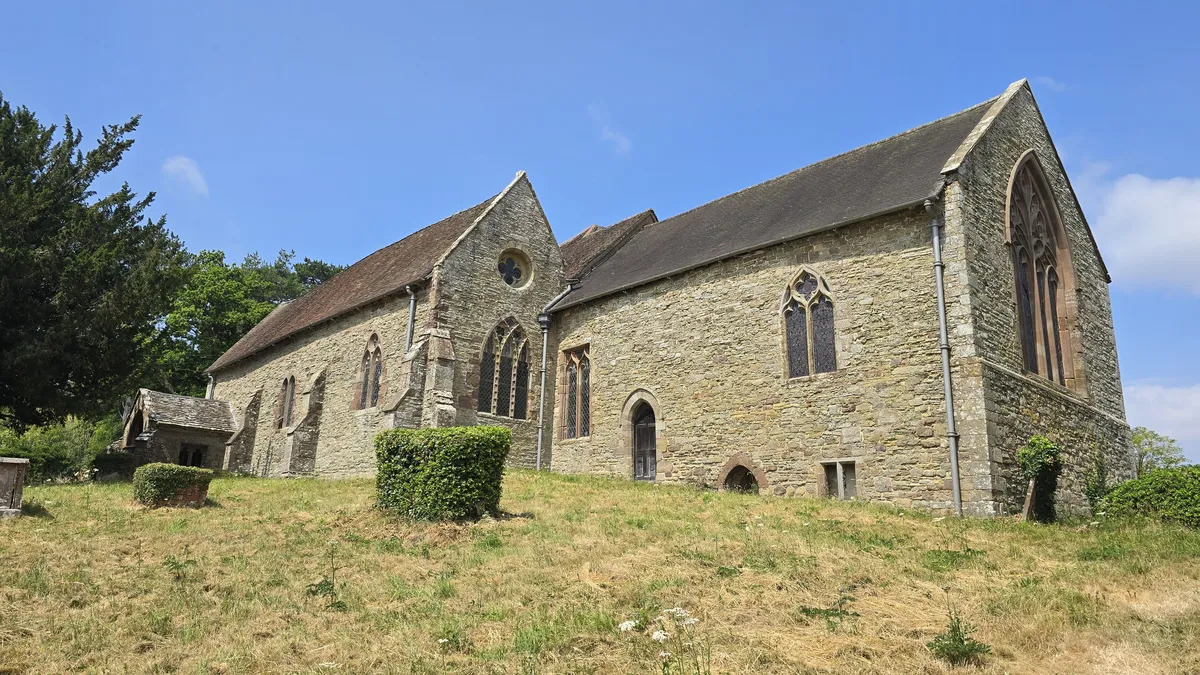 The church itself
The chancel and nave are either original, or close enough to it, but there are other interesting features added later.
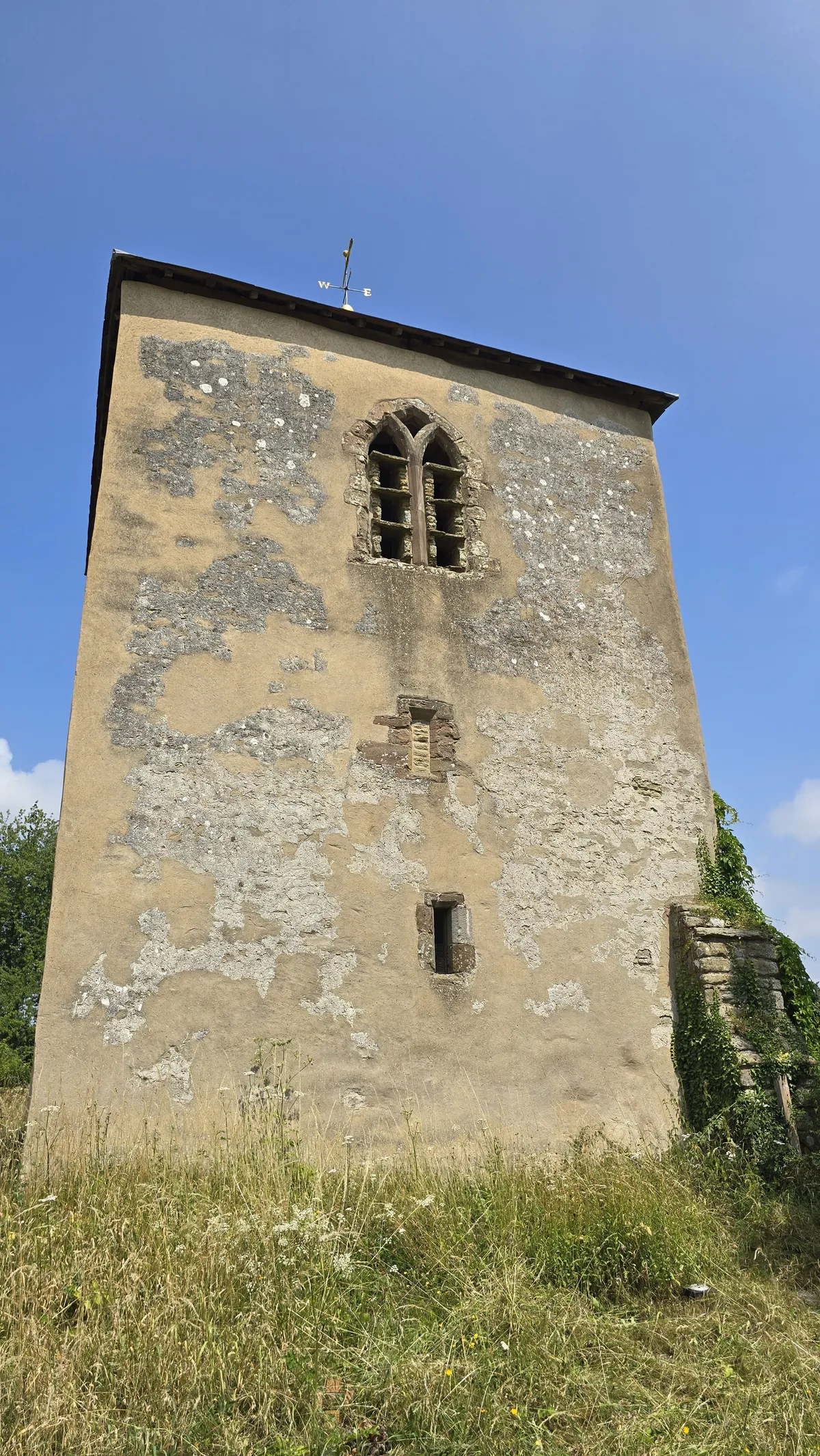
First and most obvious, isn't even the church, its a square tower about 10m to the east. Square, and fortified although less militaristic than Garway its openings face north, east and south with only the door on the western side. Built in late 1200s to early 1300s, its assumed it aided the castle in defence. Later in the medieval period it become a bell tower.
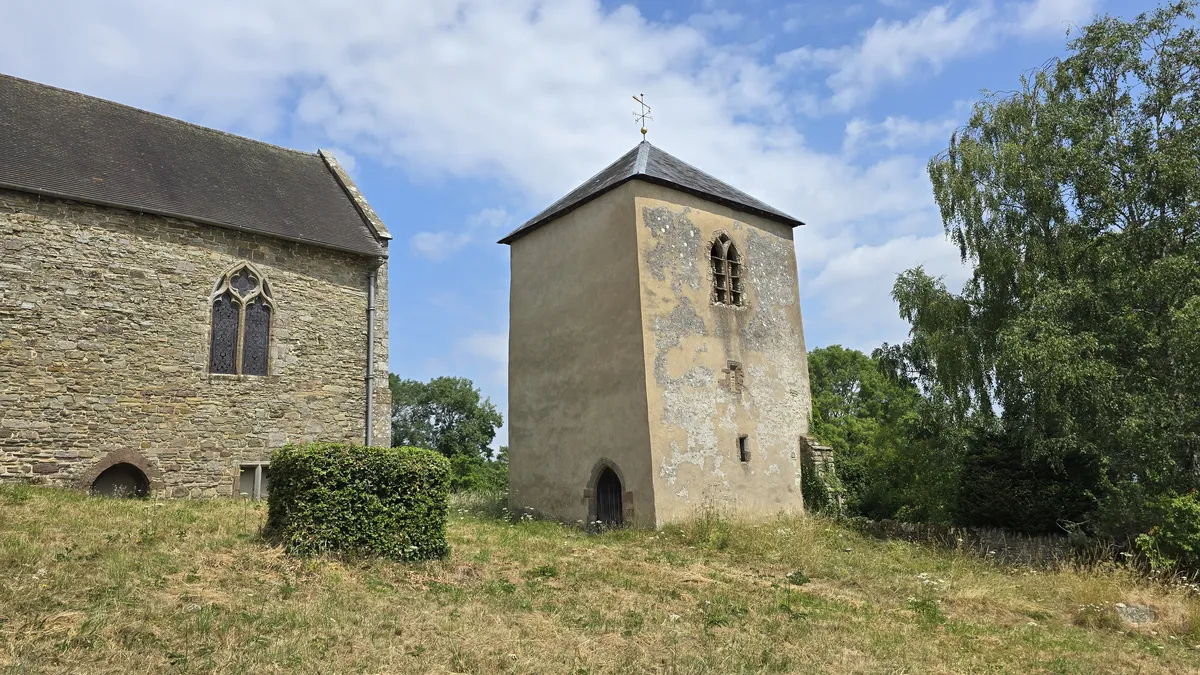 Church and tower
Inside the church, the north chapel is known as the Chapel of St John it was a (supposedly) a chantry chapel for the Knights Templar who had a local presence near Leominster as well as at Garway. Consecrated in 1351 it was toward the end of their time in England, but markings in the stone show it could be screened off from the nave.
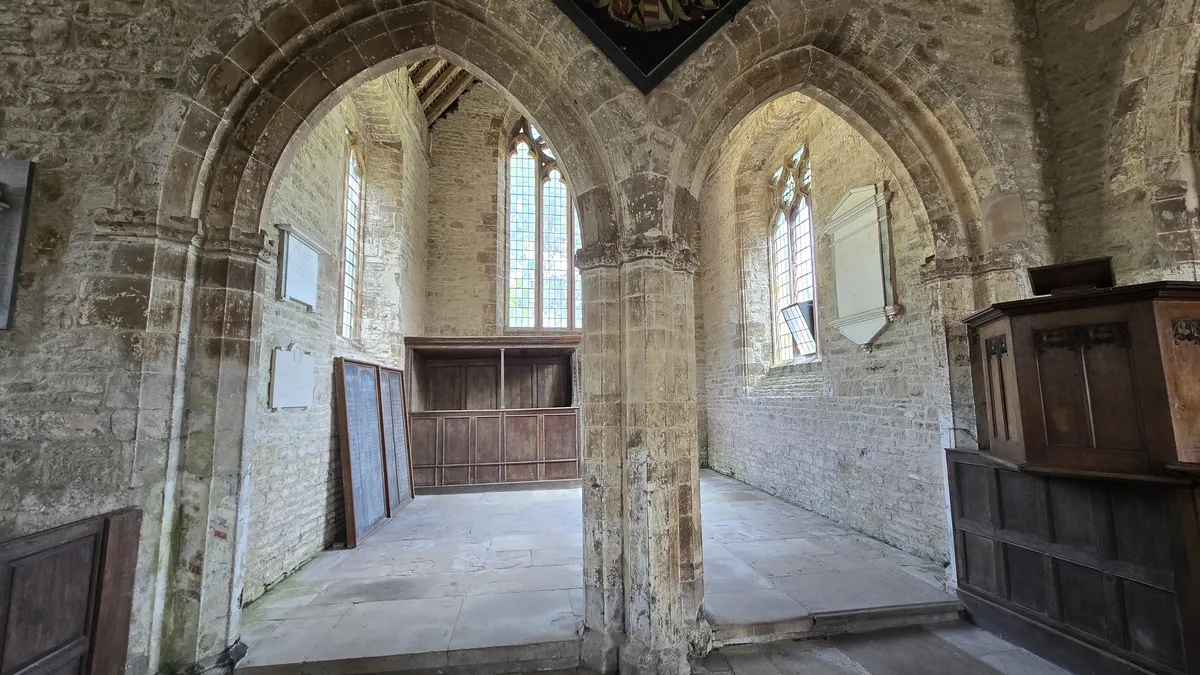 Looking into the chapel
Now inside sits the panelled pew of the Salwey family who are the historic (and possibly current) owners. The recess it sits in was probably for a tomb but now damaged. On the floor sits a stone crest. It bares the Salwey family motto of fiat voluntas dei meaning 'Gods will be done'. This is too recent to apply to the Templar knights, but the addition of the crossed swords and 5 petalled rose (cinquefoil) is fun to see if you've read 'The Da Vinci Code'.
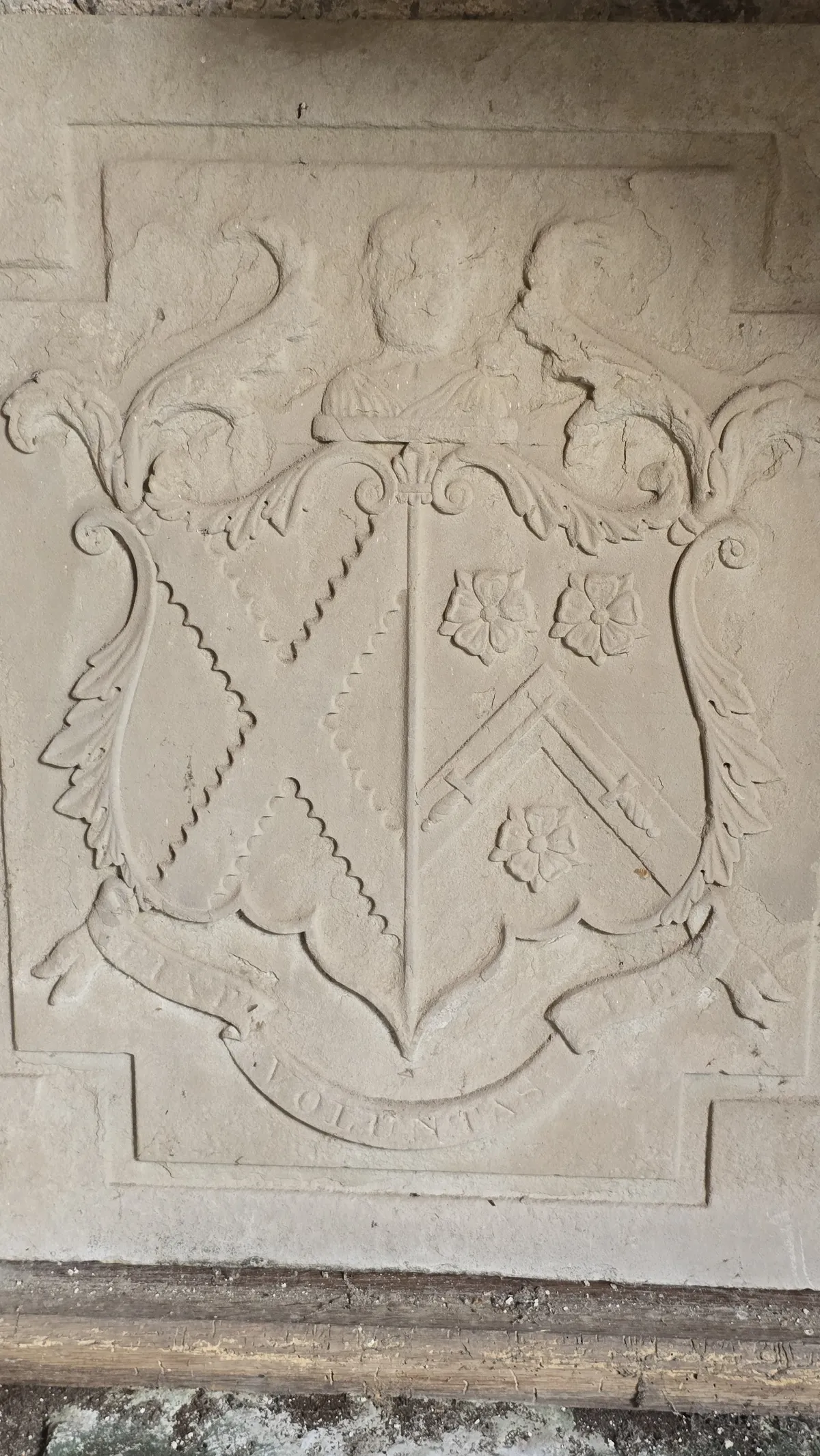 Salway motto,the cross also from their crest. 5 petalled rose if you read Dan Brown
The wooden roof beams are impressive and date from around the 17th century, but of more local interest are the beams supporting the south wall which are screwed - its believed these came from cider presses which as Mrs Yunzi knows, is a Herefordshire speciality. These walls are also plastered and unrestored, giving just a hint of the painting that would have existed once upon a time.
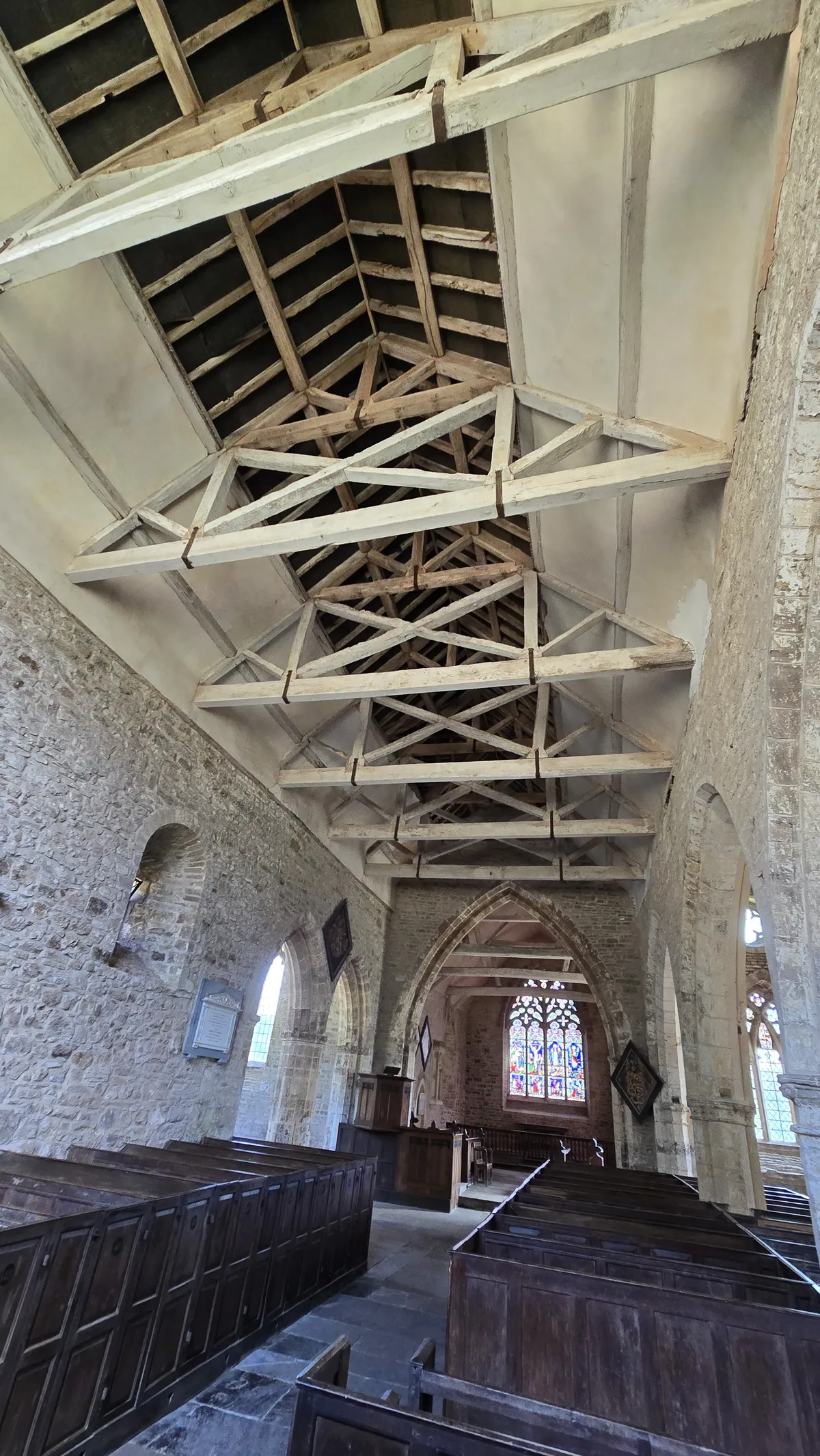 17th Century wooden beams
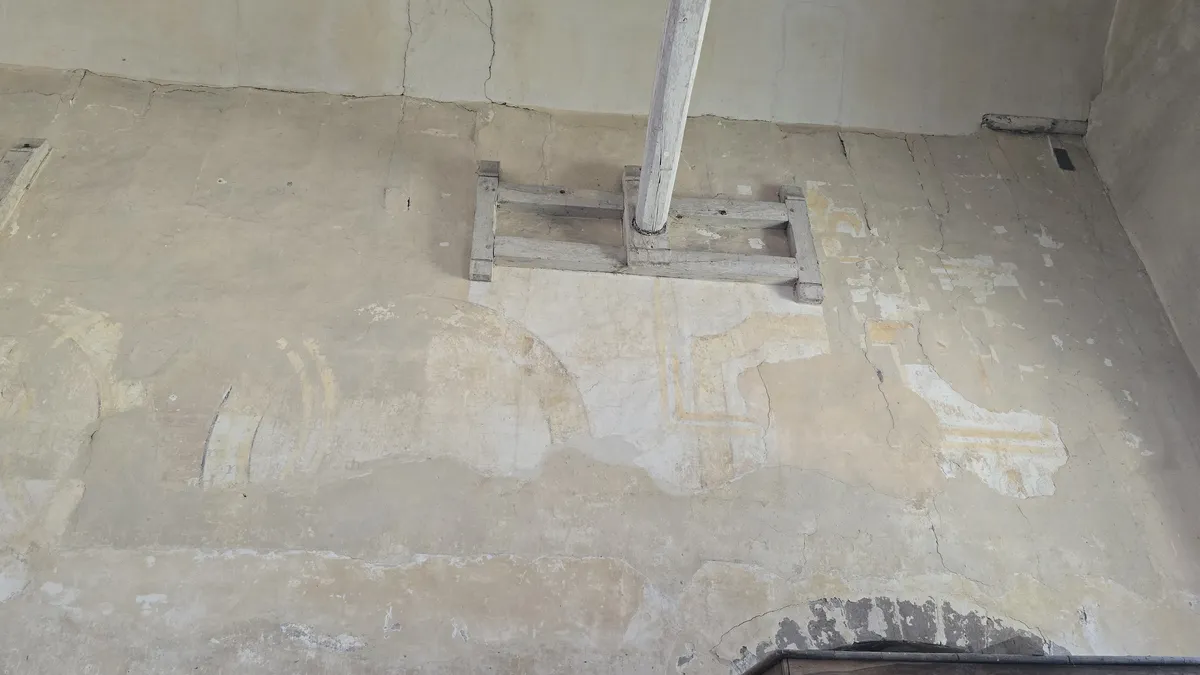 Screwed beam and remains of plaster
There are many other small things of note in this beautiful church - one of the graves around the floor has a memento mori carving for instance. At the entrance there is a 13th century coffin lid and a (assumed) Norman carved ... something, on a rough hewn stand. The guide says its not a font - it does look like one however but what do I know Godless heathen that I am.
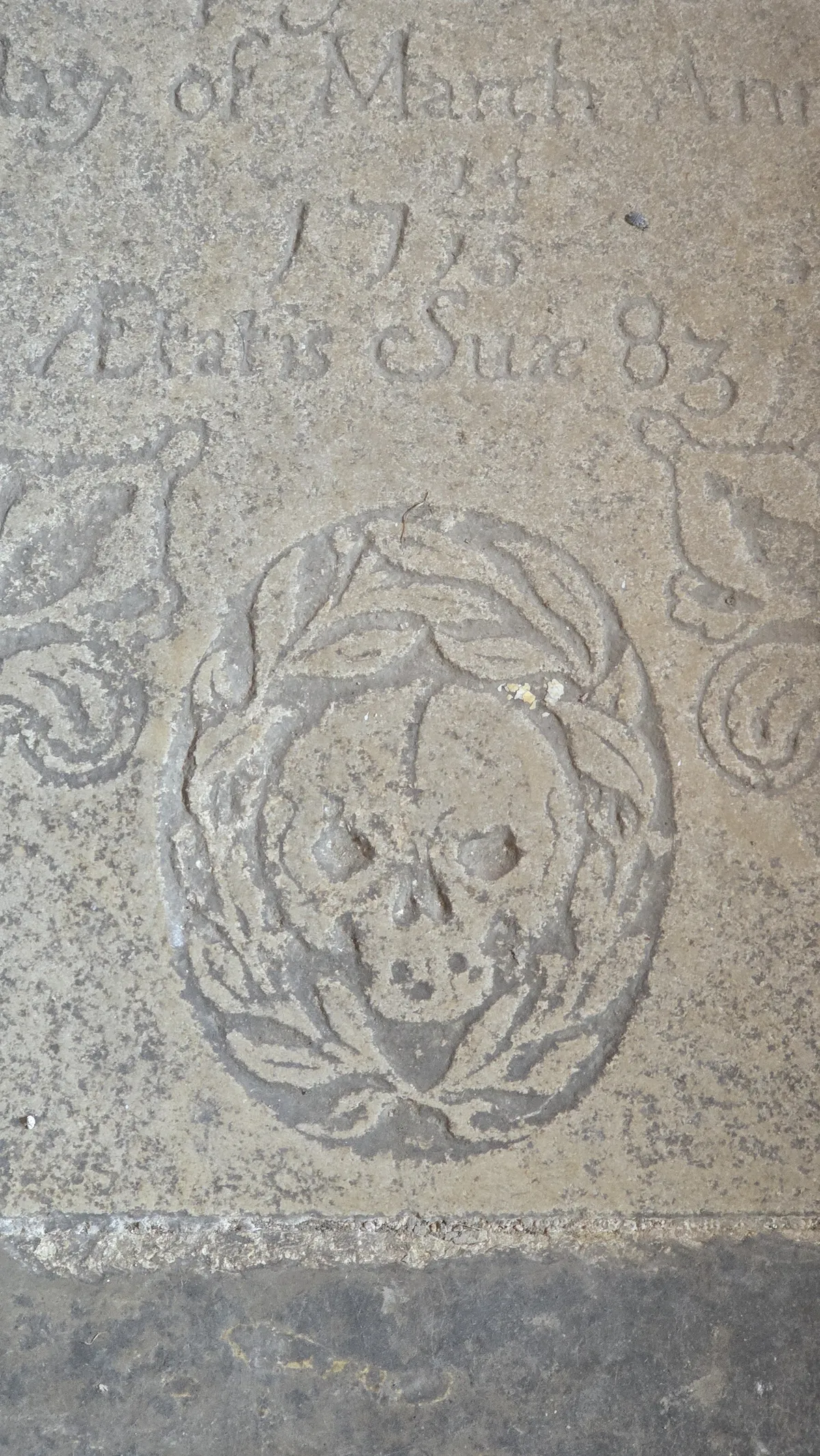 Momento Mori
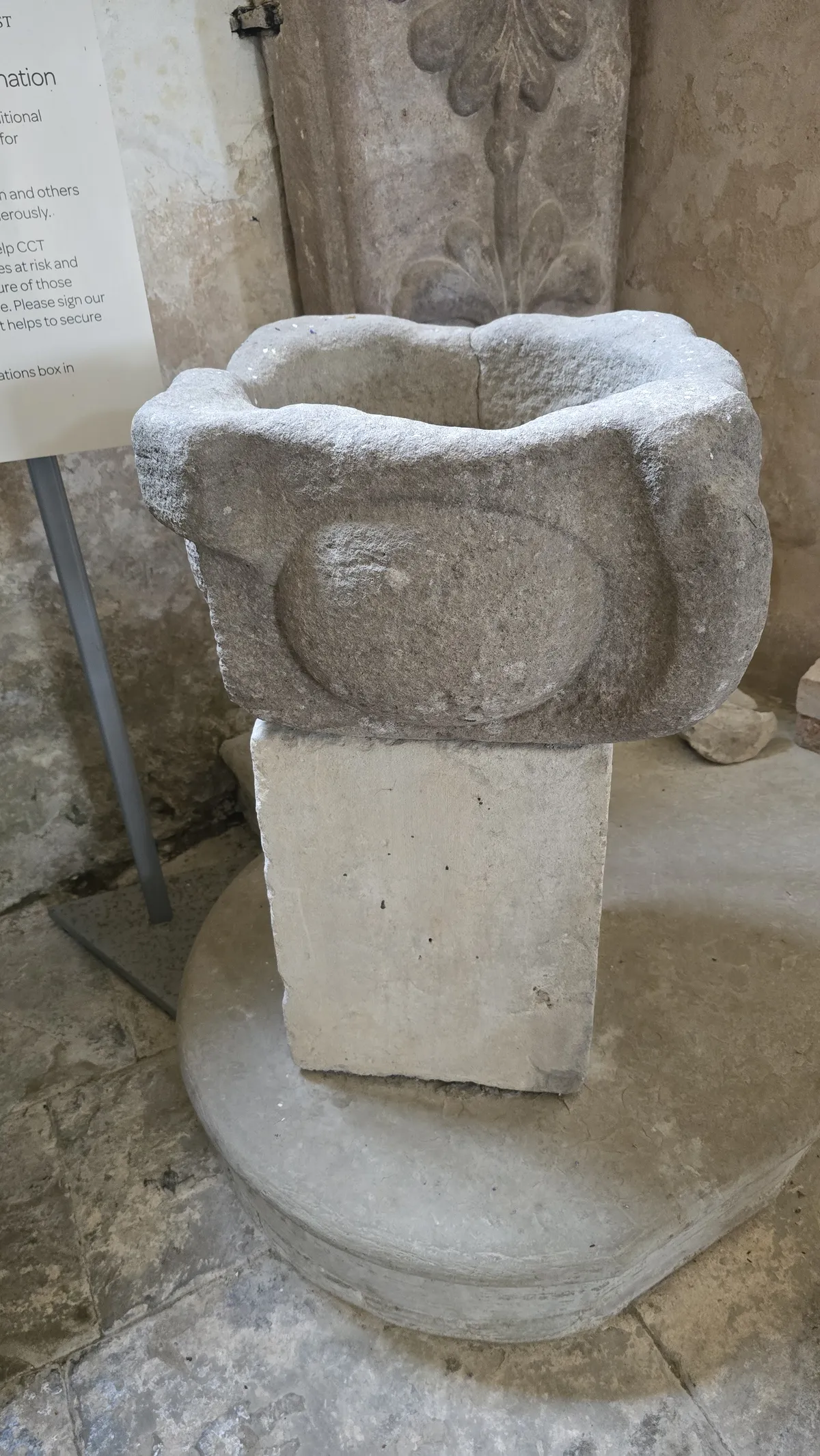 Not a font
Whilst fairly out of the way, you can park almost outside the church and the church and castle ruins high on this hill in a beautiful part of the county with views to the black mountains in Wales and the Malvern hills of Worcestershire really does give a sense of space and time. Add in a little bit of Templar history and a decent walk on a hot day and it was a pleasant visit indeed.